2.6M-Year-Old Jaw Rewrites Human Evolution Map
A fossil jaw discovered 1,000 kilometers north of any known relative has scientists rethinking where ancient humans roamed across Africa. The 2.6 million-year-old find from Ethiopia finally solves a decades-old mystery about our evolutionary cousins. #
A tiny piece of ancient jawbone is rewriting the story of where our earliest relatives called home.
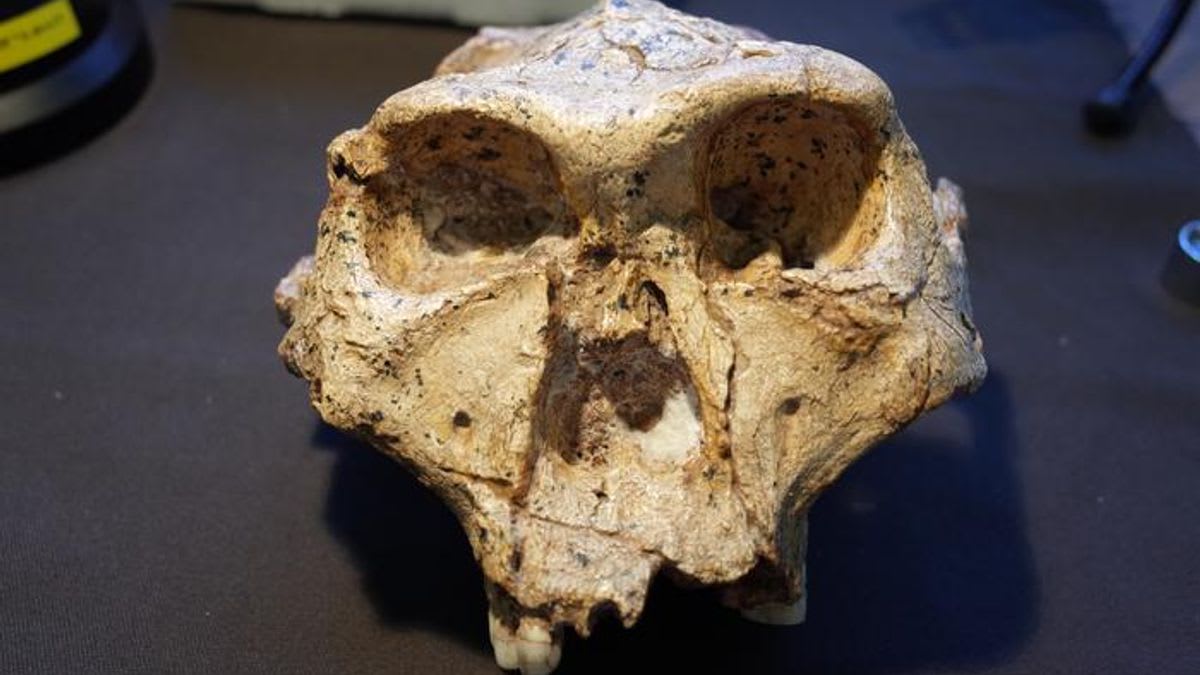
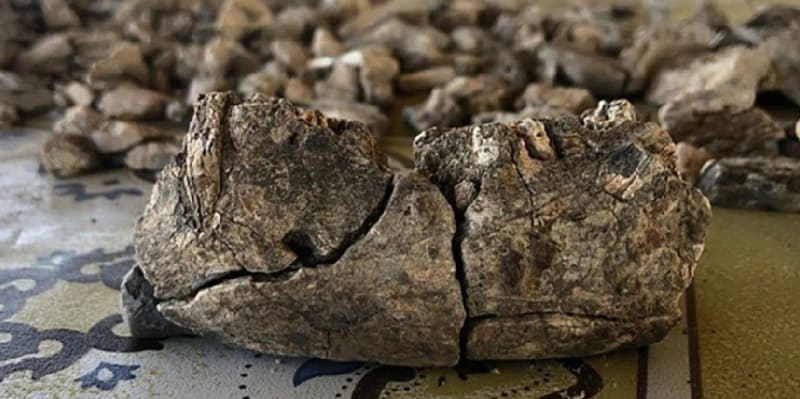
Scientists working in Ethiopia's Afar region discovered a 2.6 million-year-old jaw fragment belonging to Paranthropus, an early human cousin nicknamed "Nutcracker Man" for their powerful jaws and massive teeth. The fossil turned up roughly 1,000 kilometers further north than any previously known Paranthropus specimen, suggesting these ancient relatives roamed far more widely across Africa than anyone imagined.
The discovery solves a puzzle that has stumped researchers for decades. Despite the Afar region producing an incredible treasure trove of human ancestor fossils over the years, including the famous "Lucy" skeleton, not a single Paranthropus bone had ever turned up there.
Scientists had assumed the species simply never traveled that far north, perhaps because the environment didn't suit them or they couldn't compete with other species already living there. Now that assumption has been turned on its head.
Dr. Fred Spoor, a human palaeontologist, teamed up with Zeresenay Alemseged from the University of Chicago to examine the fossil using digital imaging techniques. They could see inside the bone structure and even visualize tooth roots to compare it with other ancient human specimens found across Africa.
The fossil revealed something unexpected. It showed a mix of features, with massive teeth like later Paranthropus species but also some less specialized characteristics. The combination was unusual enough that the team decided not to assign it to any specific Paranthropus species just yet.
The Mille-Logya research area where the jaw was found has produced fossils spanning an astonishing six million years of human history, from our most ancient relatives to some of the earliest Homo sapiens remains dating back 160,000 years. Now Paranthropus has finally joined that remarkable timeline.
The Ripple Effect
This single jawbone fragment does more than fill a gap on the map. It expands our understanding of how adaptable and widespread our early relatives were, painting a picture of ancient human cousins who ventured into territories we thought they'd never reached.
The discovery reminds us that every fossil holds the potential to reshape everything we thought we knew about our own origins. Each new find opens doors to questions we didn't even know to ask about the incredible journey that led to modern humans.
The Afar region continues to yield secrets about where we came from, proving that the story of human evolution still has many chapters left to discover.
#
Based on reporting by Google: fossil discovery
This story was written by BrightWire based on verified news reports.
Spread the positivity!
Share this good news with someone who needs it