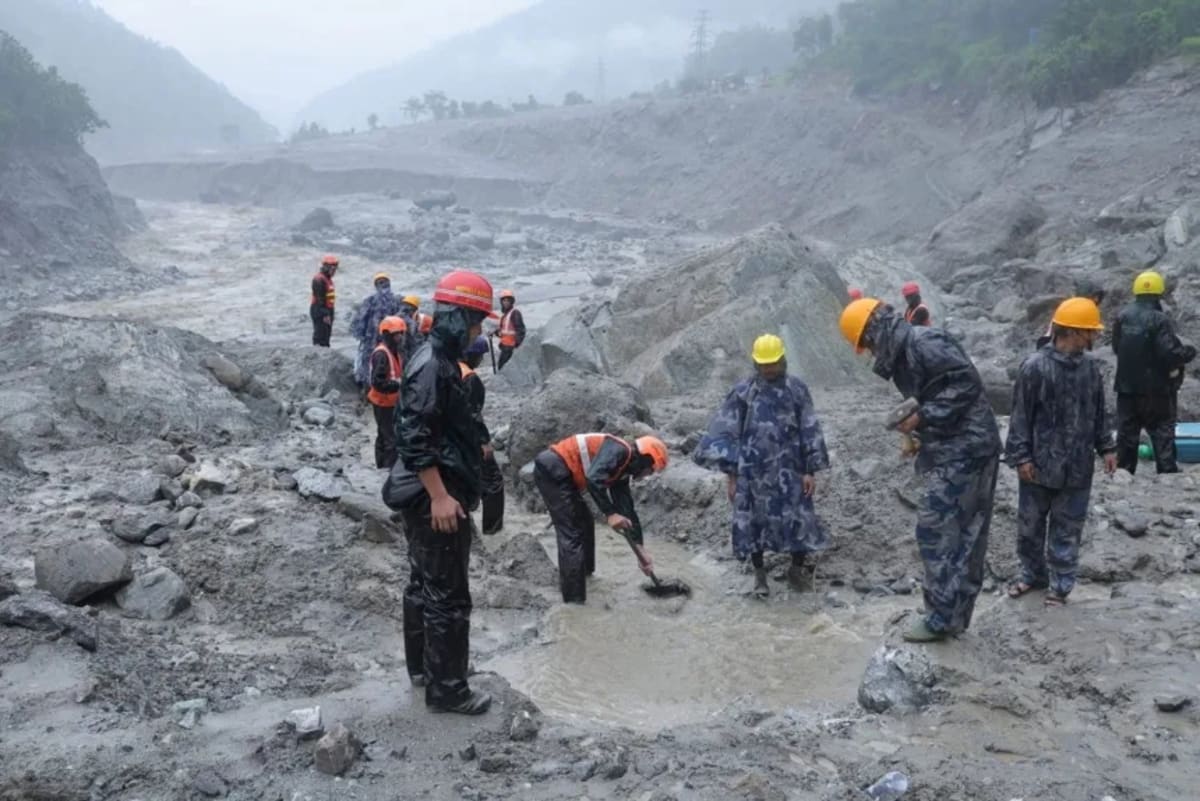
279 Hydropower Workers Rescued From Nepal Flood Tunnels
When catastrophic flooding tore through Nepal's mountain tunnels, 279 hydropower workers escaped against impossible odds. Their survival stories shine light on extraordinary human resilience during one of Nepal's worst natural disasters.
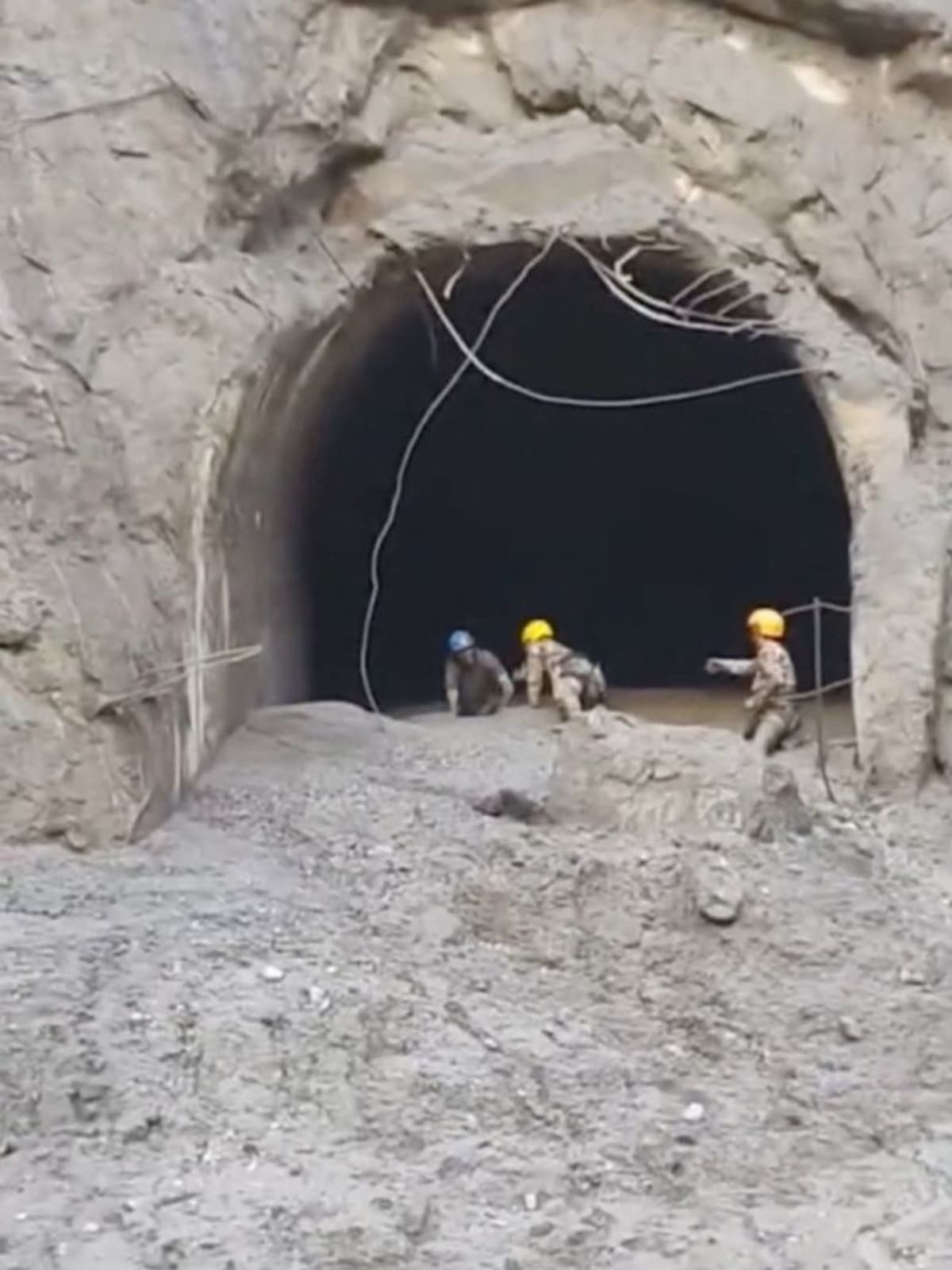
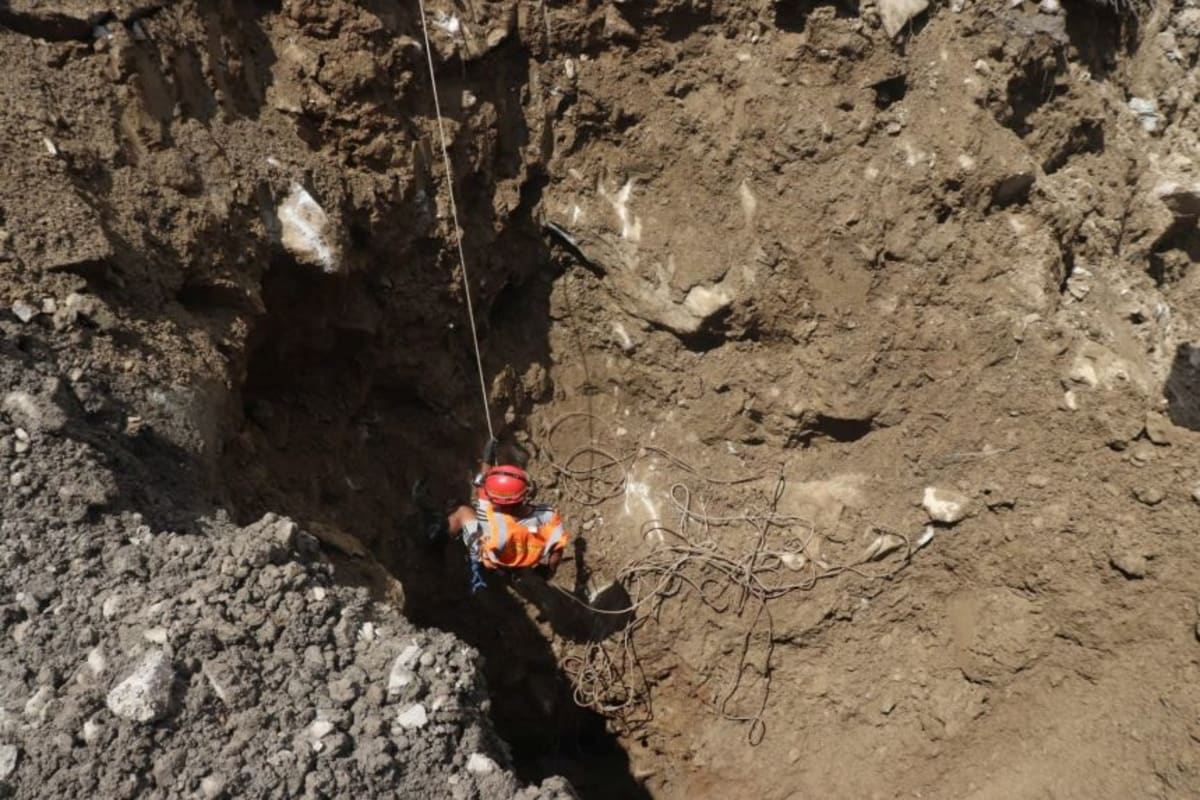
When floodwaters exploded through the darkness of a Nepalese tunnel, Ram Chandra grabbed a ceiling rung and held on for his life. That split-second decision saved him and six coworkers who spent six brutal hours inching toward daylight, passing a single tin sheet beneath their feet as a makeshift platform.
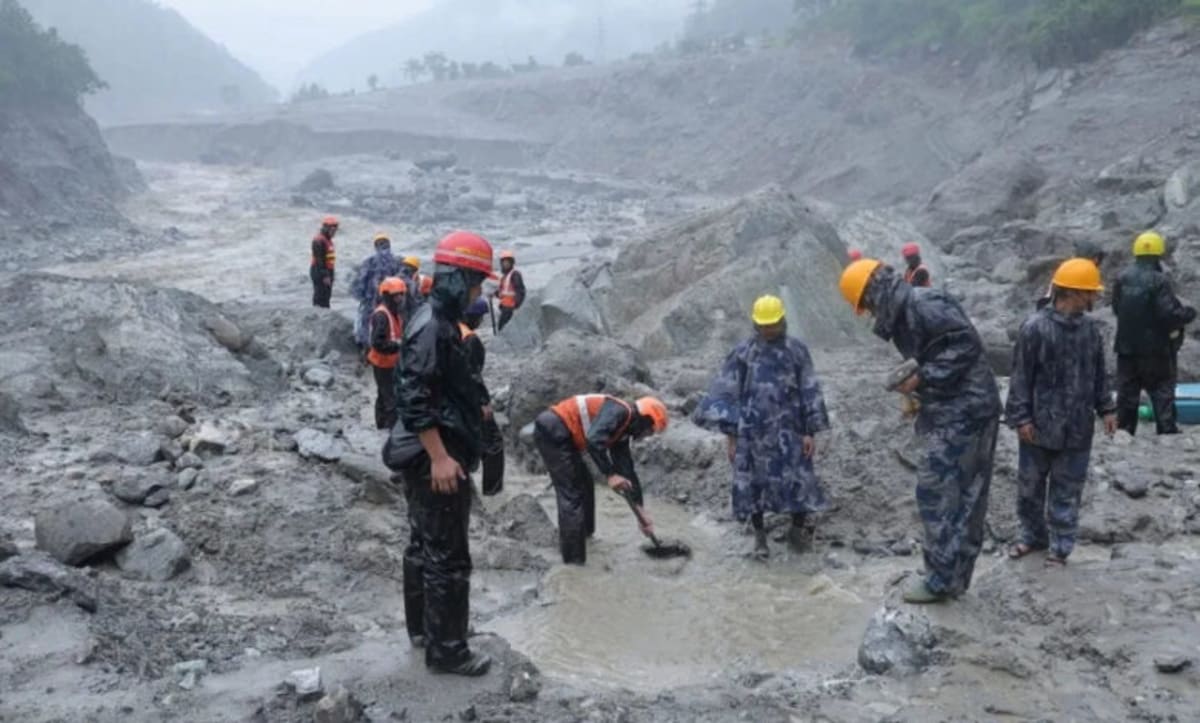
Chandra was one of 279 hydropower workers who escaped the catastrophic deluge that swept through Nepal's Trishuli River valley in late 2024. The disaster, triggered by a massive glacier collapse, sent water, ice, and debris racing 62 miles downstream through tunnels where workers had been stationed deep inside the Himalayas.
Madan Singh Budha had just finished his night shift when the torrent struck. He sprinted uphill, clinging to grass growing between rocks as water churned below. "Those who weren't able to climb up were swept away," he told CNN after helicopter rescue teams brought him to safety.
The workers who survived faced a desperate search for missing colleagues. Many had lost everything to the flood, including their clothes, and wore donated garments from villagers who helped them scramble to safety.
Why This Inspires
These survivors represent hope amid devastating loss. Nearly 300 people made it out through quick thinking, teamwork, and sheer determination to live. Their stories of gripping ceiling rungs, scaling muddy cliffs, and refusing to give up remind us what humans can endure when survival instinct kicks in.
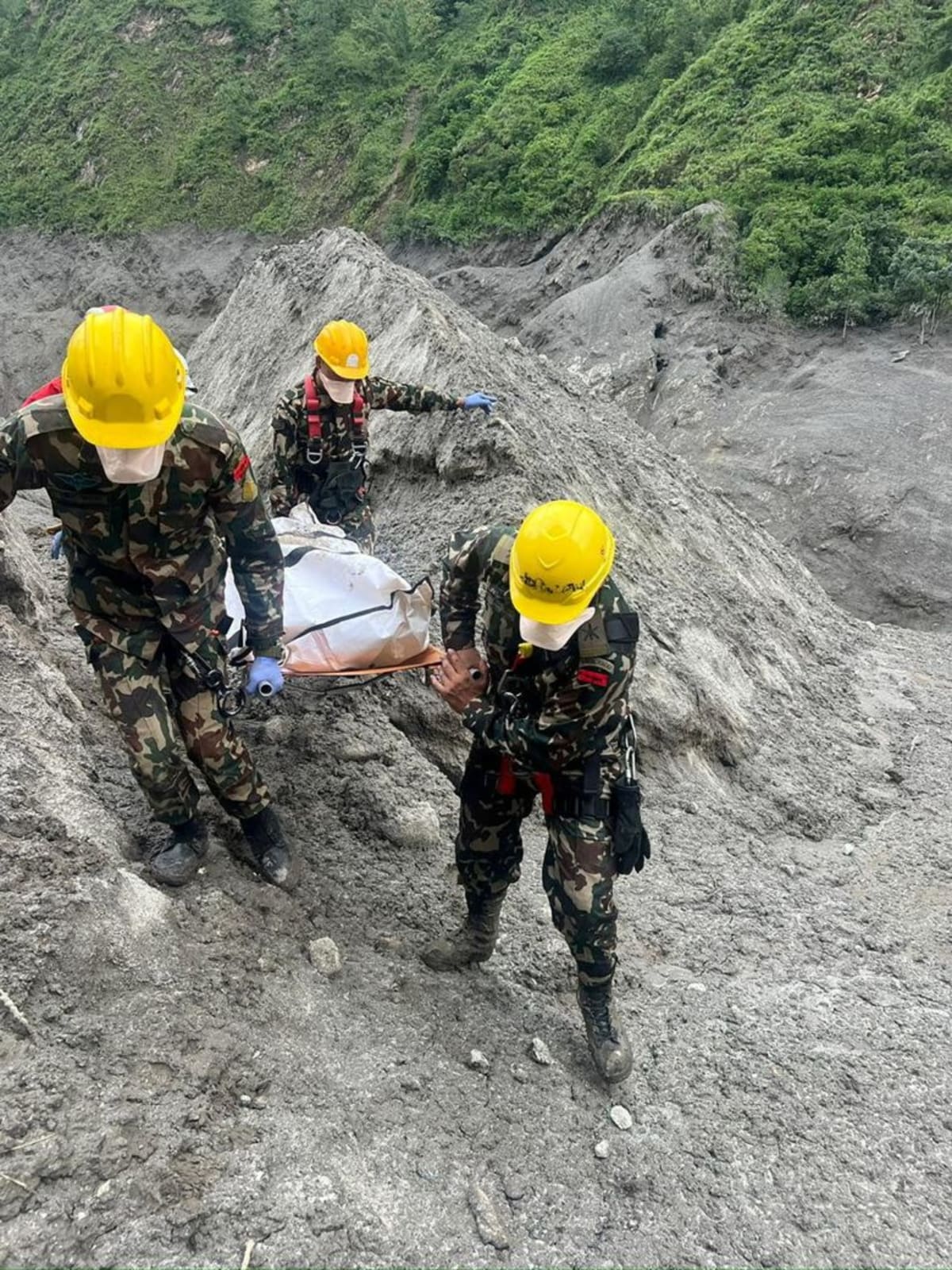
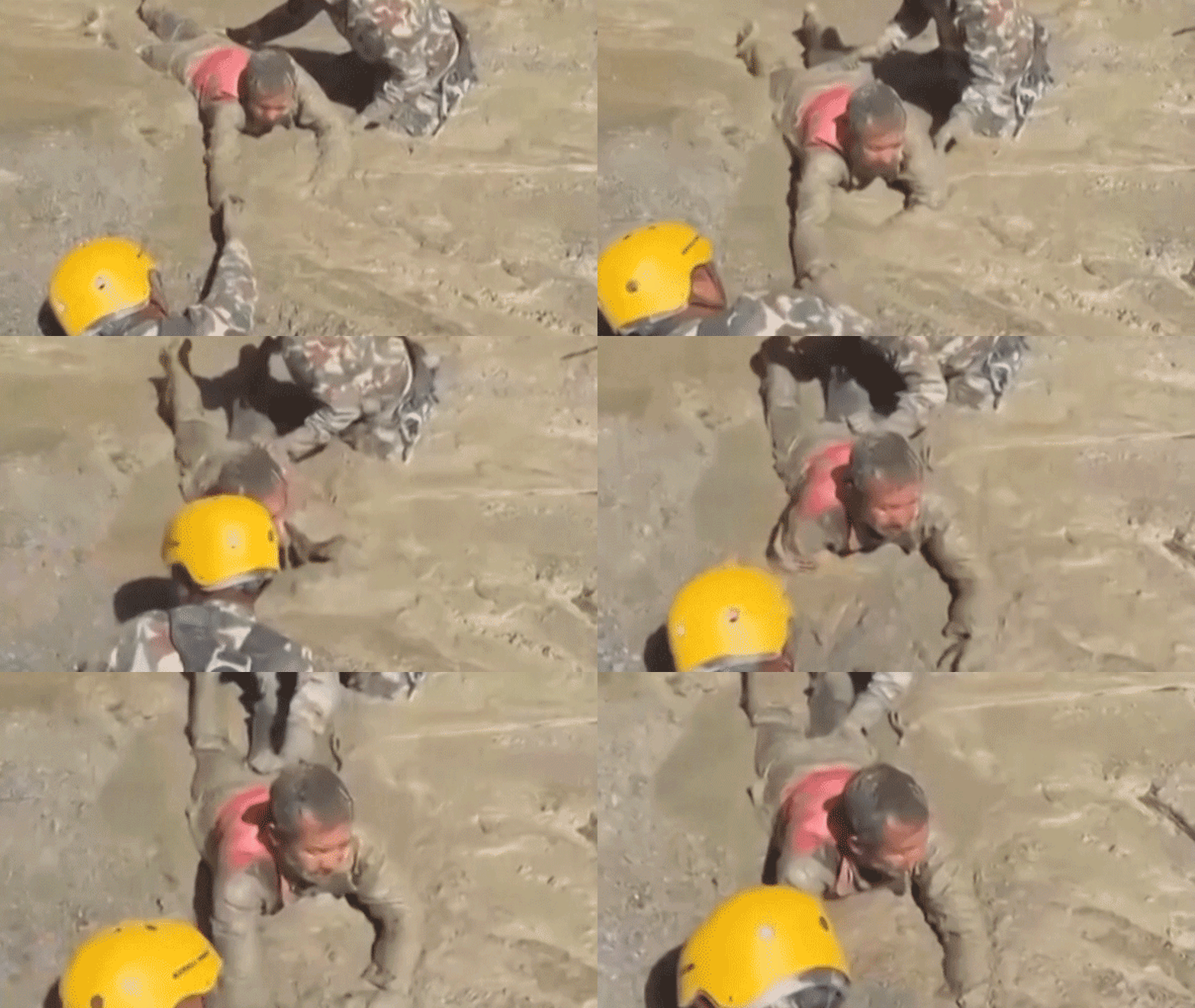
The rescue operation itself became a massive coordinated effort. Emergency crews worked through the night under floodlights while geologist Arnold Dix, who saved 41 workers from a collapsed Himalayan tunnel in 2023, provided technical guidance from Australia. Helicopters ferried survivors down mountainsides. Villagers opened their homes and closets to traumatized workers.
Many rescued workers came from Jumla in far western Nepal, where tight-knit communities support each other through hardship. Though they've lost friends and family, survivors like Bhakti Ram Bohara found strength in their bonds, even as they mourned those still missing.
Tour guide Amar Bista rushed to help rescue dozens of family members and friends who worked in the tunnels. Despite four sleepless days of coordinating rescues, he persisted because "they all are from my area." His dedication captured the community spirit driving recovery efforts.
Nepal's government designated rescuing trapped workers as the highest priority, deploying heavy machinery and rescue teams to tunnel entrances. While challenges remain, the 279 who escaped prove that survival is possible even in the most terrifying circumstances.
More Images
Based on reporting by Egypt Independent
This story was written by BrightWire based on verified news reports.
Spread the positivity!
Share this good news with someone who needs it
%2Cfit(1200%2C675)%2Cquality(65))