3 Fun Brain Boosters That Fight Aging
Scientists say you can protect your brain from age-related decline without radical life changes. These three enjoyable activities build cognitive reserve and could help prevent dementia symptoms.
Your brain gets stronger when you challenge it, and the best part is that keeping your mind sharp doesn't have to feel like work.
Researchers studying brain health have discovered that building "cognitive reserve" through simple daily activities can protect against cognitive decline and potentially delay dementia symptoms. The earlier you start, the better your brain's protective scaffolding becomes.
The first brain booster might surprise you: ditch your GPS and navigate on your own. Studies show that taxi and ambulance drivers have among the lowest rates of Alzheimer's-related deaths compared to other professions, likely because they constantly use their hippocampus for spatial processing. This brain region is typically the first area affected by Alzheimer's, often years before symptoms appear.
Research on healthy men who practiced spatial navigation tasks for four months showed they maintained their hippocampal volume while control groups experienced normal age-related shrinkage. Even playing with building blocks as a child or trying orienteering as an adult can strengthen these mental pathways.
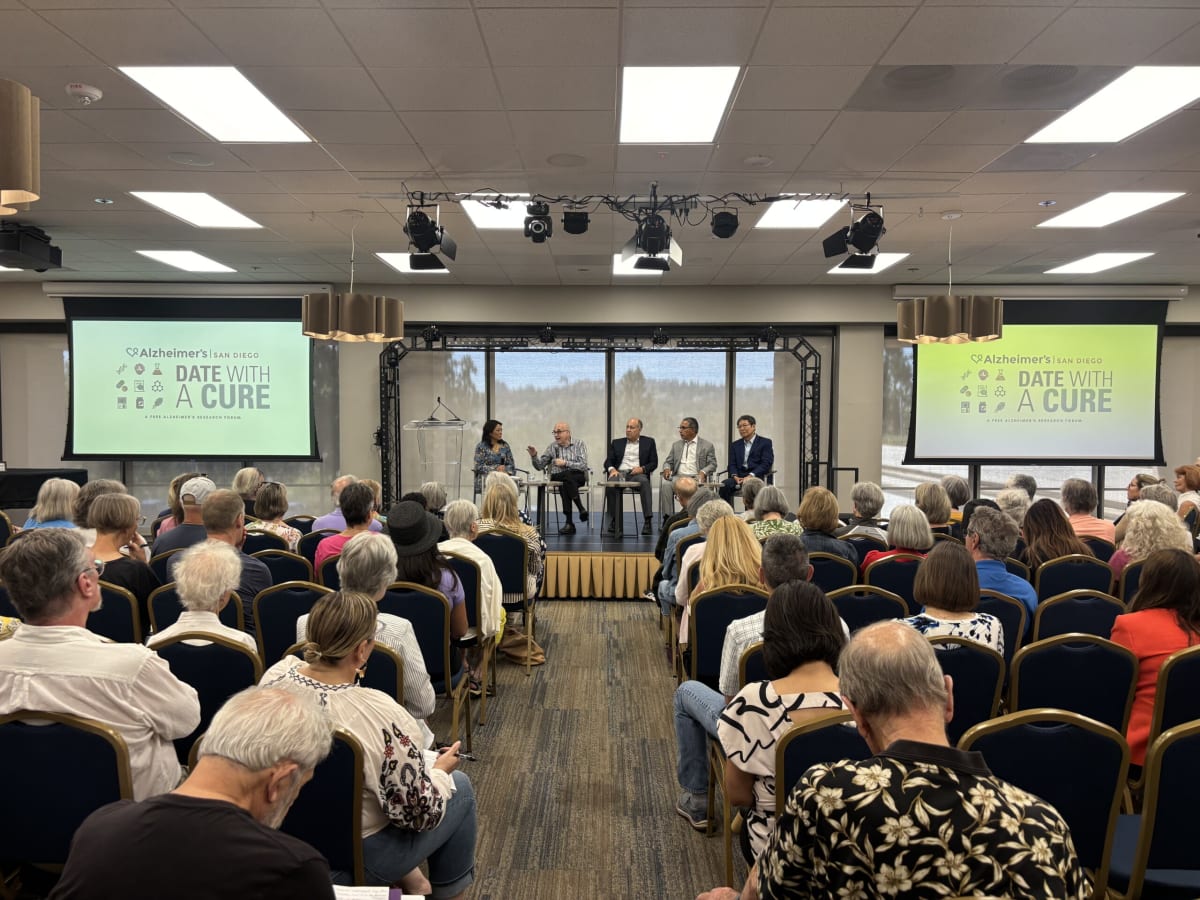
The second strategy is even simpler: stay social. People who maintain active social lives during midlife and beyond show a 30 to 50% lower risk of developing dementia. Centenarians with higher social engagement consistently show better brain health.
One study found that among people who developed dementia, those who were least socially active developed symptoms five years earlier than the most socially active participants. Social interaction lowers stress and builds resilience, protecting the brain from harmful effects of chronic stress.
The third approach involves learning something new. Whether it's picking up a musical instrument, studying a foreign language, or mastering a new hobby, challenging your brain with novel activities creates new neural connections.
Why This Inspires
What makes this research so hopeful is that protection doesn't require expensive treatments or dramatic lifestyle overhauls. Small, enjoyable changes like chatting with friends, finding your way without technology, or exploring new interests can make a real difference. Even people whose post-mortem brain analysis showed extensive Alzheimer's changes sometimes displayed no symptoms while alive, likely because their active lifestyles built robust cognitive reserve.
Psychologist Alan Gow from Heriot-Watt University puts it simply: "Whatever age we are, there are things that we can do more or less of that might give our thinking skills a bit of a boost." The key is choosing activities you genuinely enjoy, making it easier to stick with them long term.
Your brain thrives on challenge, connection, and novelty, and the good news is that protecting it can actually be fun.
More Images



Based on reporting by BBC Future
This story was written by BrightWire based on verified news reports.
Spread the positivity!
Share this good news with someone who needs it