3 Nations Build 2,000 MW Hydropower Plant Together
Kazakhstan, Kyrgyzstan, and Uzbekistan are joining forces to build a massive hydropower plant that could power 1.5 million homes. The collaboration marks a new era of cooperation in Central Asia's clean energy revolution. #
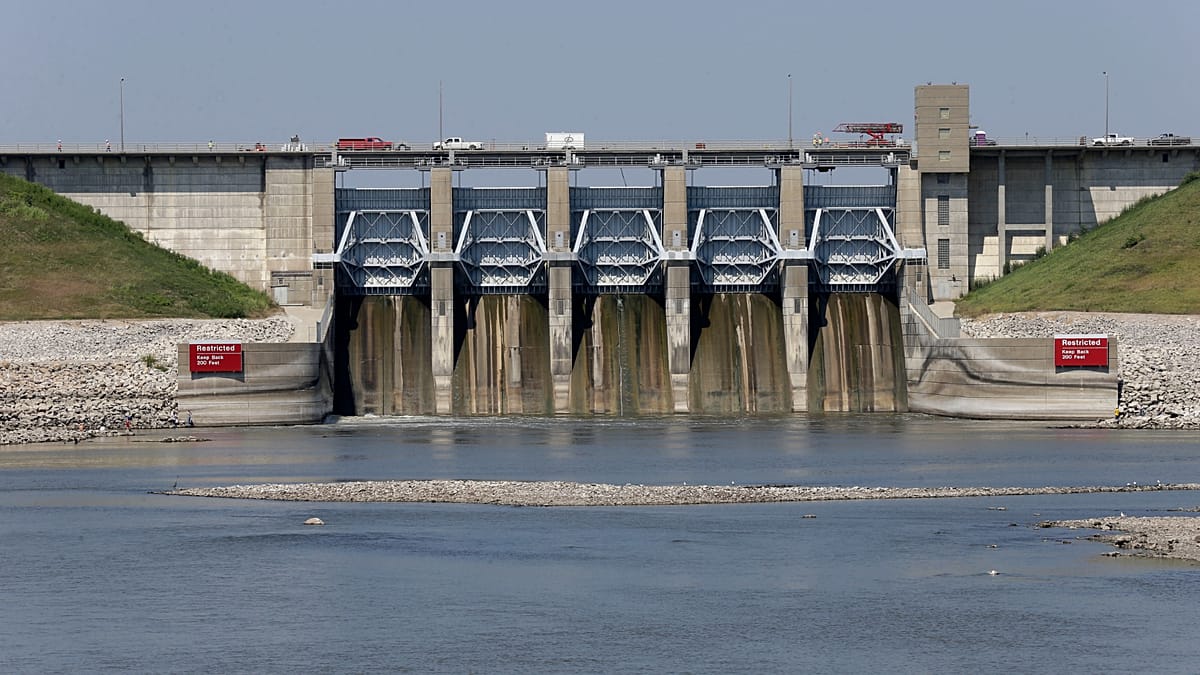
Three countries are proving that neighbors can accomplish more together than apart. Kazakhstan, Kyrgyzstan, and Uzbekistan just announced plans to jointly build a nearly 2,000 MW hydropower plant on Kyrgyzstan's Naryn River.
The scale is impressive. This single facility will generate enough electricity to power 1.5 million homes, roughly the output of two large nuclear reactors.
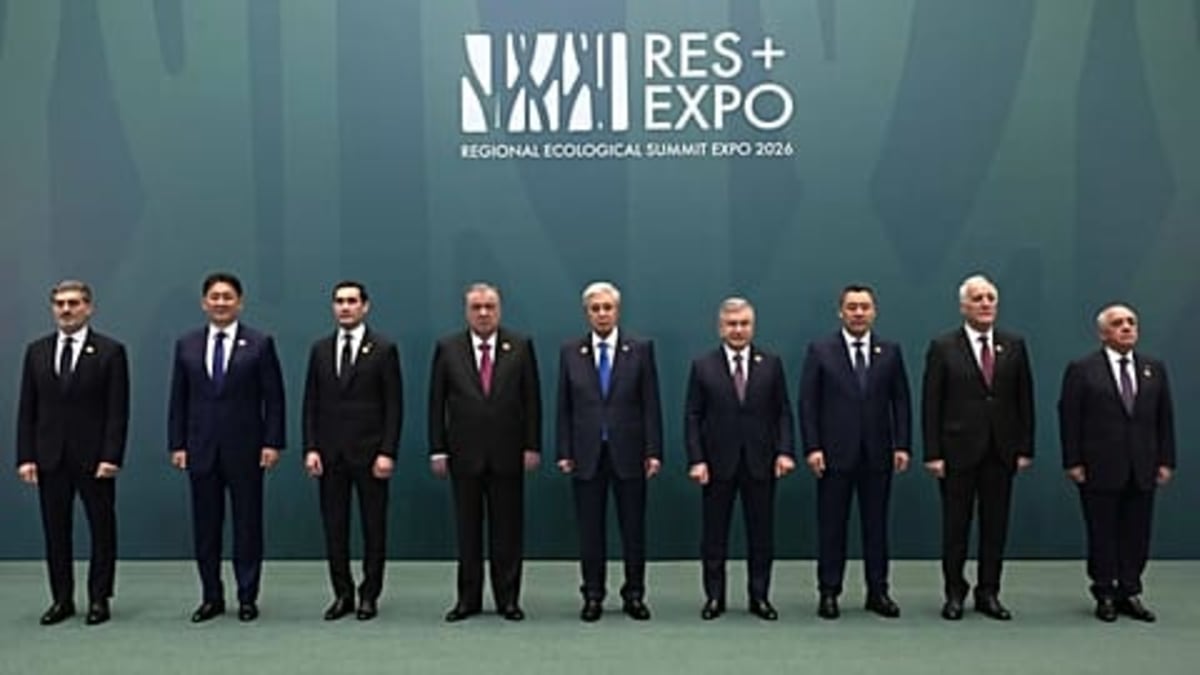
Kyrgyzstan's President Sadyr Japarov announced the Kambarata HPP-1 project at the Regional Ecological Summit in Astana on April 23. The World Bank and other financial institutions are backing the initiative, with the next round of negotiations scheduled for Tashkent this month.
But the region's clean energy ambitions extend far beyond this single project. Kyrgyzstan alone is bringing 13 small hydropower plants online in 2026, adding 81 MW of capacity, while also developing solar and wind projects totaling 6,050 MW.
Kazakhstan is making equally bold moves. The country just signed an agreement to build a 500 MW wind farm in the Karaganda region, backed by $645 million in Chinese investment.
The environmental benefits are real. That single wind farm will cut carbon dioxide emissions by 1.3 million tonnes annually. Kazakhstan aims to boost its renewable energy share from 7% to 15% by 2030 while slashing emissions from major energy facilities by 35%.
Meanwhile, Tajikistan is already a regional leader. The country generates 98% of its electricity from renewable sources, powered by 13,000 glaciers that provide over 60% of Central Asia's water resources. Tajikistan ranks eighth globally in hydropower potential and aims to become completely carbon-neutral by 2037.
Uzbekistan rounds out the picture with rapid expansion in solar and wind power. The country has already exceeded its Paris Agreement commitment to reduce emissions by 35% and now targets a 50% cut by 2035.
President Shavkat Mirziyoyev is pushing waste-to-energy projects too. Eleven planned waste incineration plants will process 5.5 million tonnes of waste yearly while generating 2.2 billion kWh of electricity. Uzbekistan expects green energy to exceed 50% of its total supply by decade's end.
The Ripple Effect
What makes this story truly remarkable is the spirit of collaboration. These nations are creating a unified approach to climate action in a region historically marked by competition over water and energy resources.
At the Astana summit, President Mirziyoyev proposed establishing a unified investment portfolio for climate projects across Central Asia. Instead of competing for resources, these countries are pooling their strengths: Kyrgyzstan and Tajikistan's water resources, Kazakhstan's vast land and uranium reserves, and Uzbekistan's solar potential.
The approach could serve as a model for other regions struggling to coordinate climate responses across borders.
Four neighboring nations are showing the world that clean energy works better when everyone works together.
#
More Images

Based on reporting by Euronews
This story was written by BrightWire based on verified news reports.
Spread the positivity!
Share this good news with someone who needs it