3 Proven Solutions Cut Homelessness Up to 88%
While some cities turn to criminalization, evidence shows three strategies actually work to end homelessness. Housing First programs, direct cash support, and removing rental barriers are proven to keep people off the streets.
Cities across America face a crisis, but the most effective solutions aren't being used widely enough. Instead of punishing people for being homeless, three evidence-based approaches are showing remarkable success in actually solving the problem.
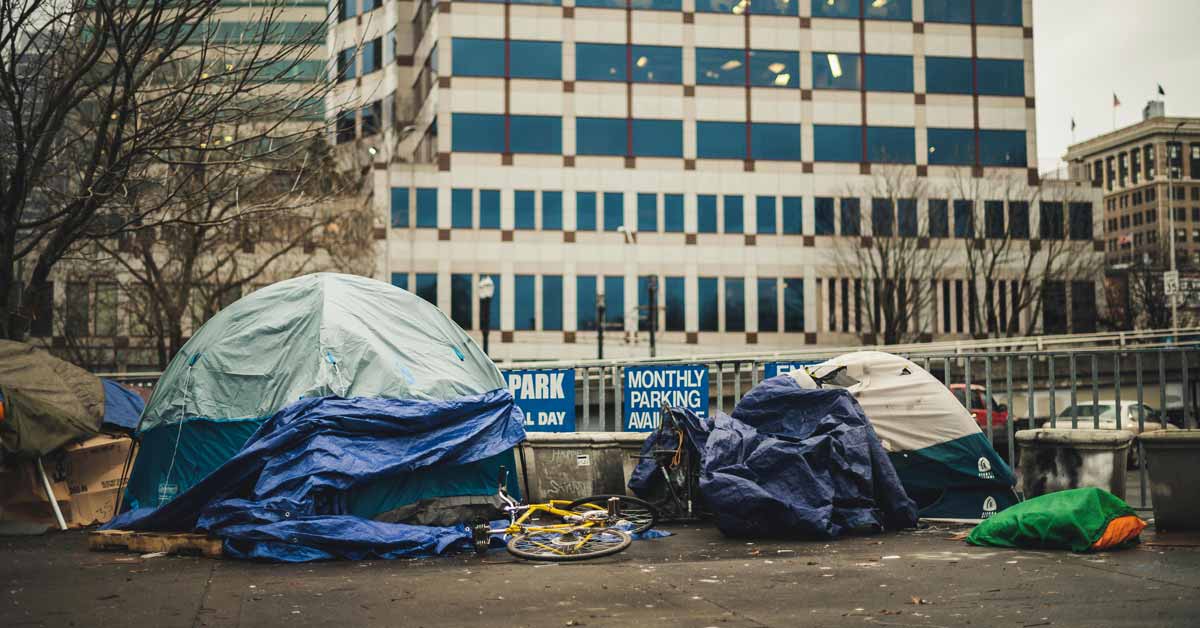
Homelessness increased 18% nationally in 2024, reaching over 771,000 people. Recent policies have focused on heavy policing and bans on sleeping in public spaces, but research from the University of Texas at Arlington found that criminalization actually increased unsheltered homelessness by 2.2% compared to cities that didn't implement such ordinances.
The good news? We already know what works.
Housing First programs provide permanent housing immediately, without requiring sobriety or employment first. Once people have a stable place to live, they can access counseling, job training, and healthcare. A review of 26 studies found Housing First decreased homelessness by 88% and improved housing stability by 41% compared to treatment-first approaches.
"We can end homelessness," said Tom Litwicki, CEO of Old Pueblo Community Services in Arizona. "This is an amazing, complicated, difficult problem, but I want people to know we can actually solve it."
Direct cash programs are proving equally powerful. Oregon gave youth aging out of foster care $1,000 monthly for two years. After the first phase, 91% of participants were living in stable housing.
These preventative programs save money too. Research analyst Daniel Soucy explains that paying someone's rent before they become homeless costs less than addressing homelessness after it occurs.
The third solution tackles a fundamental problem: America lacks 7.1 million affordable housing units for extremely low-income renters. Cities need to reduce zoning restrictions that prevent affordable housing construction. They also need to combat discrimination, as over 8,000 complaints were filed for housing discrimination based on race, disability, and other factors between 2023 and 2024.
John Paul Marosy of the Denver Metro Fair Housing Center describes the heartbreak: someone finally gets a housing voucher after living on the streets, only to have landlords illegally refuse it.
The Ripple Effect
When cities invest in proven solutions instead of criminalization, the benefits multiply. People gain stability, enter the workforce, reconnect with family, and contribute to their communities. Local governments save money that would otherwise go to emergency services, hospitals, and law enforcement. Children avoid the trauma of homelessness, breaking cycles that can span generations.
The impact extends beyond individual lives. Neighborhoods become safer and more vibrant. Businesses thrive. Public spaces become welcoming for everyone. Most importantly, communities prove that compassion and evidence-based policy can solve problems once thought unsolvable.
Margaret Huang, CEO of the Southern Poverty Law Center, challenges policies that treat poverty as criminality. Advocates continue fighting for approaches that actually work, armed with data showing clear paths forward.
We have the tools to end homelessness, and they're already working in communities brave enough to use them.
More Images

Based on reporting by Good Good Good
This story was written by BrightWire based on verified news reports.
Spread the positivity!
Share this good news with someone who needs it