3 Towns Beat Water Shortages With Simple Local Fixes
Communities in India turned rooftops, check dams, and forgotten ponds into water solutions that raised groundwater levels within two years. Their methods cost less than emergency supplies and can work anywhere.
When summer water stress hits your neighborhood, life shrinks around a single question: when will the tap run again? Families hoard buckets, plan showers like military operations, and watch WhatsApp groups for tanker updates.
Three communities in India decided to stop waiting for water trucks and start catching rain instead. Their solutions didn't require government megaprojects or fancy technology, just basic infrastructure and neighbors willing to dig.
In Varanasi, officials installed rainwater harvesting systems on 1,000 public building rooftops including schools, hospitals, and colleges. Instead of letting monsoon rain rush off concrete and into drains, the systems guided it underground through recharge wells and soak pits. They also built water-harvesting ponds and tightened rules on illegal borewells that were draining aquifers faster than rain could refill them.
The result showed up in well levels within two years. Parts of the district reported measurable rises in their water table, with one block seeing especially strong gains after a parallel river cleanup effort.
In drought-prone Maharashtra villages, residents used an old earthen dam technique called johads to slow down rainwater before it could run off parched land. They built small check dams across 204 villages, creating a network that held 500 crore liters of storage. The structures gave rain time to seep into soil instead of evaporating or flowing away.
Wells that used to dry out by March kept pumping into April and May. Farmers reported higher incomes from better crop yields, and dairy operations stayed active longer because cattle had water.
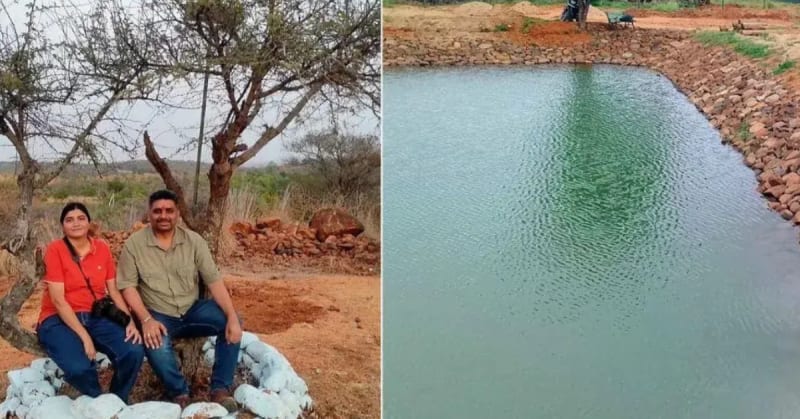
In Anantapur district, a couple rallied 400 villagers to revive 11 dead ponds that had silted up and been abandoned. They cleared debris, rebuilt earthen walls, planted thousands of native trees around the edges, and installed small recharge systems. After the first monsoon, the ponds held water again and began feeding underground aquifers.
Farmers saw their borewell yields improve and crop outcomes strengthen. The trees reduced evaporation and attracted wildlife back to sites that had been dry craters for years.
The Ripple Effect
These projects share a pattern: they work with what's already falling from the sky instead of hunting for new water sources. Rooftops already exist, old ponds just need clearing, and check dams use local soil and labor. None of these solutions required waiting for pipeline approvals or tanker budgets.
The methods also build predictability, which matters more than abundance when you're planning a harvest or a household. Knowing your well will last until June changes what crops you plant and whether your kids can shower before school.
Communities watching their own water tables rise reported something rarer than full tanks: they reported control. When 400 villagers maintain their own ponds, they don't need to refresh a municipal helpline every morning to find out if water will arrive.
These solutions scale because they start small and spread through imitation, not top-down mandates.
More Images
%2Fenglish-betterindia%2Fmedia%2Fmedia_files%2F2026%2F02%2F12%2Fsummer-water-solutions-india-2026-02-12-11-30-00.png)
%2Ffilters%3Aformat(webp)%2Fenglish-betterindia%2Fmedia%2Fmedia_files%2F2026%2F02%2F12%2Fsummer-water-solutions-india-2026-02-12-12-06-22.jpg)

%2Ffilters%3Aformat(webp)%2Fenglish-betterindia%2Fmedia%2Fmedia_files%2F2026%2F02%2F12%2Fsummer-water-solutions-india-2026-02-12-12-10-46.png)
Based on reporting by The Better India
This story was written by BrightWire based on verified news reports.
Spread the positivity!
Share this good news with someone who needs it