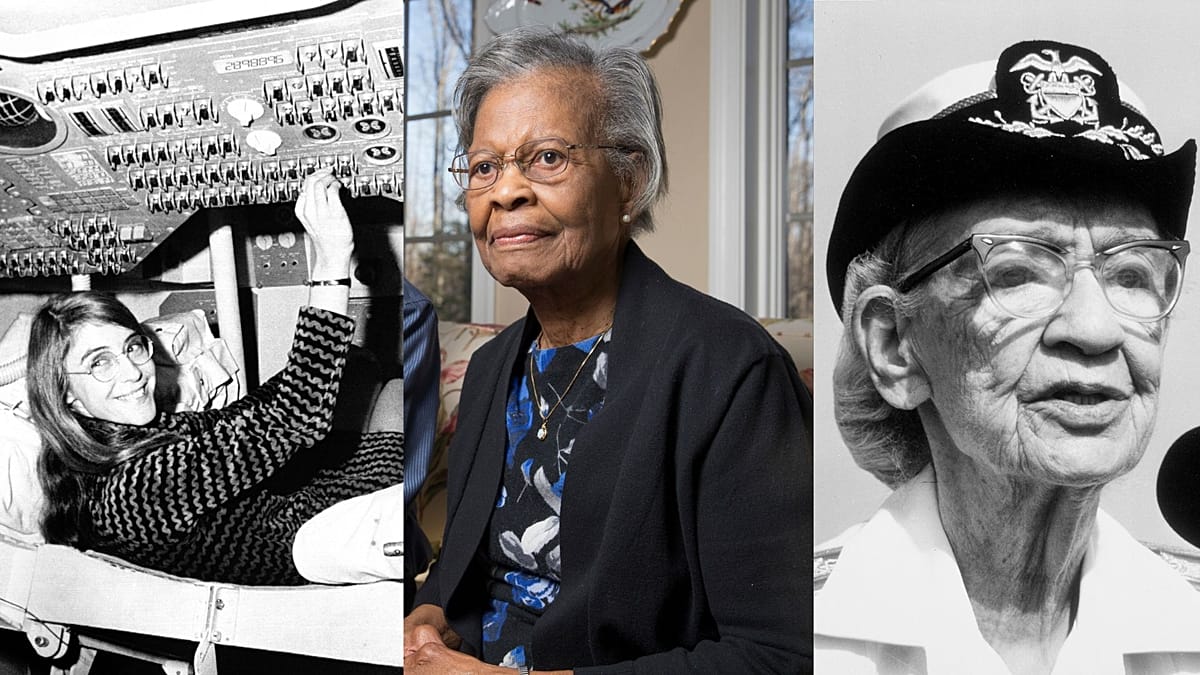
3 Women Who Built the Foundation of Modern Computing
Long before Silicon Valley, women wrote the first computer program, invented the compiler, and made GPS accurate. Their innovations shaped how we use technology every day.
Before coding became a glamorous career, women were quietly building the foundations of every app, map, and program we use today.
In 1843, British mathematician Ada Lovelace was translating an article about Charles Babbage's Analytical Engine when she realized the author had gotten it wrong. Her corrections became the world's first computer program.
Lovelace did something revolutionary in her translator's notes. She suggested that machines could do more than just crunch numbers—they could manipulate symbols and even compose music.
Her vision nearly tripled the length of the original article. Those notes later helped Alan Turing break enemy codes during World War Two.
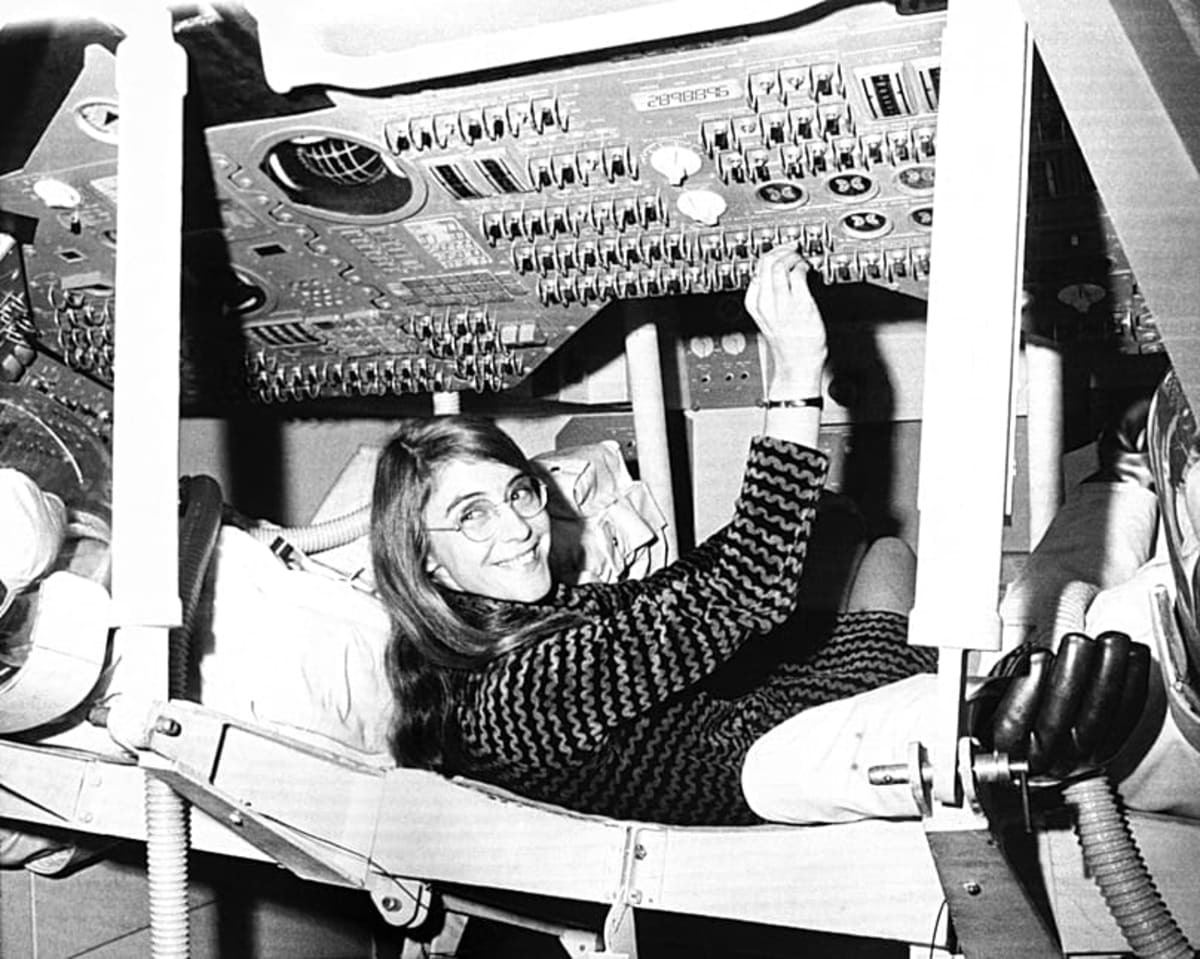
A century later, Grace Hopper faced a different problem. Programming meant writing endless strings of numbers that only computers could understand, and it was painfully slow.
While working on Mark I, the first large-scale automatic calculator during World War Two, Hopper noticed programmers kept reusing the same chunks of code. She started collecting them in an archive.
In 1952, she created the A-0 compiler, which translated simple programming language into machine code. This invention made it possible for humans to actually talk to computers without learning binary.
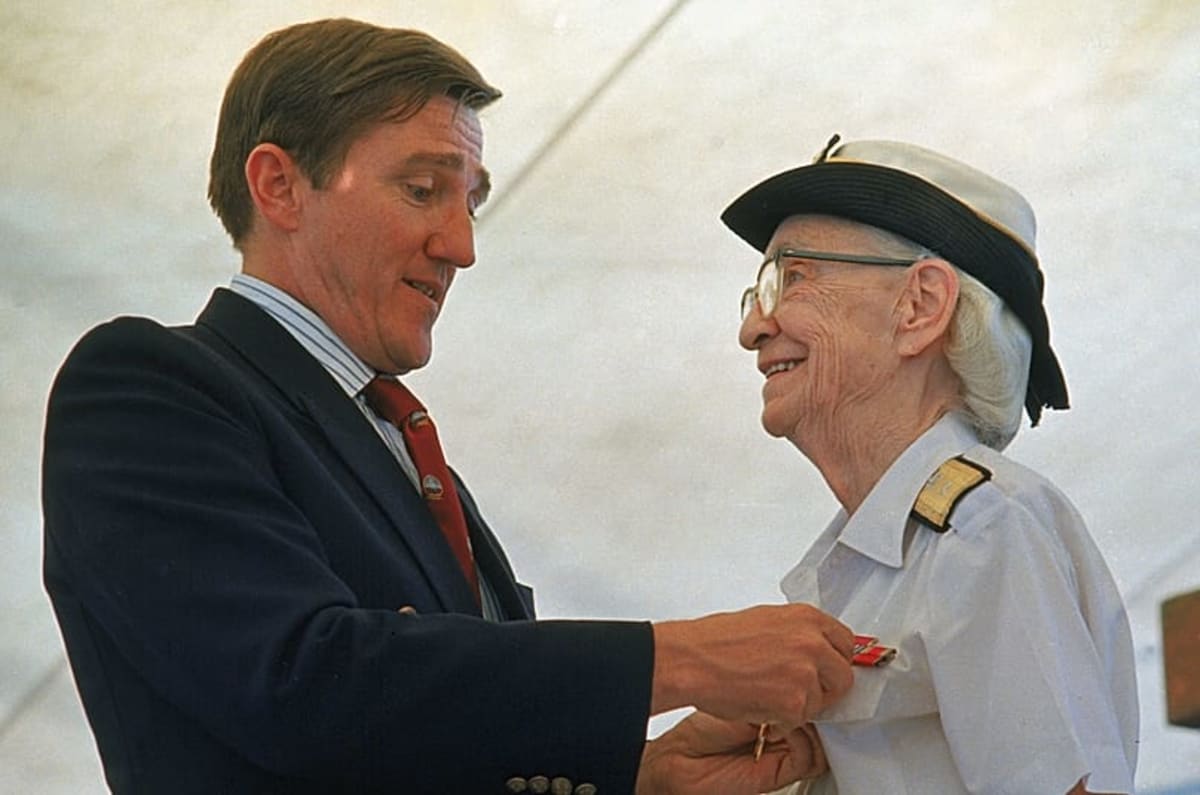
Hopper later helped develop COBOL, one of the first programming languages written in English-like commands. She turned programming from an exclusive skill into something more people could learn.
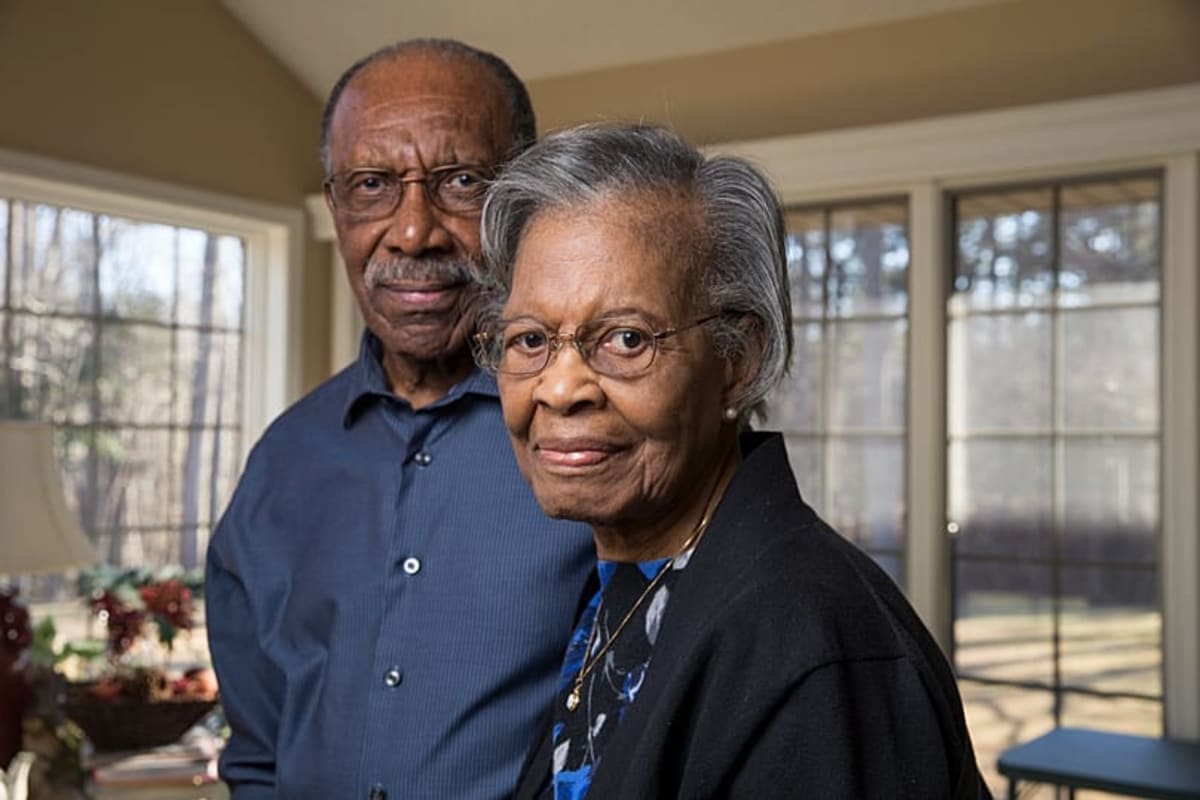
Meanwhile, mathematician Gladys West was working on something that would change how we navigate the world. Joining the US Naval Proving Ground in 1956 as only the second African-American woman there, West led a team analyzing satellite data.
Her calculations mapped the exact shape and size of Earth and plotted orbital routes around it. Those equations became the foundation for modern GPS accuracy.
The Ripple Effect
Every time you open an app, follow directions on your phone, or write code in Python, you're using innovations these women created. Lovelace showed us computers could be creative tools, not just calculators. Hopper made programming accessible to millions. West gave us the ability to find our way anywhere on Earth.
West's contributions went unrecognized until 2018, when she received the US Air Force's Space and Missiles Pioneers award. In 2021, she became the first woman to win the Prince Philip Medal from the UK's Royal Academy of Engineering.
Their work proves that the most transformative innovations often come from people working in unglamorous conditions, solving problems others didn't even see yet.
Today, as we benefit from their brilliance every time we code, navigate, or compute, we're reminded that progress has always depended on voices that took too long to be heard.
More Images
Based on reporting by Euronews
This story was written by BrightWire based on verified news reports.
Spread the positivity!
Share this good news with someone who needs it