3-Year-Old Walks Again After 20 Minutes Underwater
A Vietnamese toddler pronounced likely vegetative after a near-fatal drowning is now walking and talking, thanks to an experimental treatment his doctors provided free of charge. His recovery is rewriting what's possible for children with severe brain injuries.
Three-year-old Tran Quang M. was underwater for 20 minutes before his family found him floating face down in a pond near their home in northern Vietnam. His lips were blue, his skin pale, and 15 minutes of desperate first aid brought no response.
Doctors at central hospitals in Hanoi diagnosed severe hypoxic brain injury caused by oxygen deprivation. The prognosis was devastating: likely cerebral palsy or a permanent vegetative state.
Six days later, the boy opened his eyes and moved his legs slightly, but he couldn't walk, speak, cry, or respond to his surroundings. His family, from a rural mountainous region, faced an impossible situation with limited resources and dimming hope.
On November 18, doctors at Hong Ngoc General Hospital saw something others didn't: a small window of opportunity. Despite the grim odds, they offered the family free treatment using hyperbaric oxygen therapy, a technique that delivers pure oxygen in a high-pressure chamber to help damaged brain tissue heal.
The medical team carefully calibrated the treatment for a young child, using 45 to 60 minute sessions five times weekly alongside intensive physical rehabilitation. Most documented successes with this approach had involved adults, making this attempt pioneering.
The results started small but steady. After 10 days, the boy began reacting to sounds. Two weeks in, he could lift his head and upper body for three minutes.
By early January, he was sitting steadily and speaking words. By late January, he stood independently and spoke in sentences nearly matching his abilities before the accident.
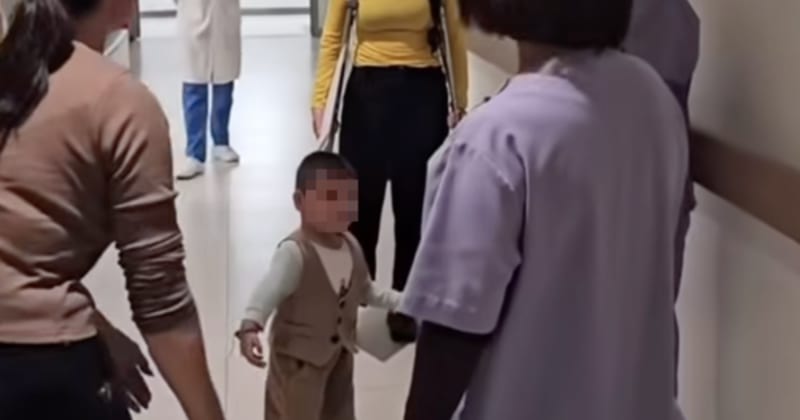
Today, the child who once lay motionless now walks hospital corridors, recognizes voices, and remembers the names of his doctors and nurses by heart.
Sunny's Take
"Before treatment, he lay still, unresponsive, unable to communicate," said Vu Thi Dinh, his grandmother and primary caregiver. "We had prepared ourselves for the worst. But in less than three months, he was walking and laughing again."
Dr. Dinh Van Hao, head of physical therapy and rehabilitation at the hospital, called it more than a miracle. It's the result of careful research and compassionate application, he explained.
The child's vision hasn't fully returned, and doctors say continued monitoring will be necessary. But his recovery offers something precious to families facing similar tragedies: proof that hope and science can work together.
Globally, only a handful of comparable recoveries have been documented, making this case a potential breakthrough in pediatric neurorehabilitation and a beacon for parents who refuse to give up.
Based on reporting by Google: miracle recovery
This story was written by BrightWire based on verified news reports.
Spread the positivity!
Share this good news with someone who needs it

%3Amax_bytes(150000)%3Astrip_icc()%3Afocal(749x0%3A751x2)%2Fboy-baseball-pitcher-062626-7c34282f5bd44bbb91766598f7e71608.jpg)