30 Years of Mouse Studies End Diagnostic Odyssey for 18 Kids
After three decades of studying brain development in mice, researchers have finally solved the mystery behind rare neurodevelopmental conditions affecting 18 children who went years without answers. The discovery links the ASTN1 gene to a spectrum of disorders, giving families long-awaited explanations and hope for future treatments.
Eighteen families spent years searching for answers about why their children struggled with developmental delays, intellectual disabilities, and coordination problems. Now, thanks to research that began in mice nearly 30 years ago, their diagnostic odyssey has finally ended.
Scientists at Baylor College of Medicine and Texas Children Hospital have confirmed that defective versions of the human ASTN1 gene cause a broad range of neurodevelopmental conditions in children. The gene produces astrotactin 1, a protein that acts like a GPS system for developing brain cells, guiding them to the right locations as the brain forms.
Dr. Daniel Calame, a pediatric neurology instructor at Baylor, explains that when this protein doesn't work properly, young neurons can't reach their destinations. This disrupts how the brain organizes itself, particularly in areas controlling movement, memory, and thinking.
The researchers analyzed genomic data from 18 children across 12 unrelated families. All had rare defective variants in both copies of their ASTN1 gene, meaning they inherited a faulty version from each parent.
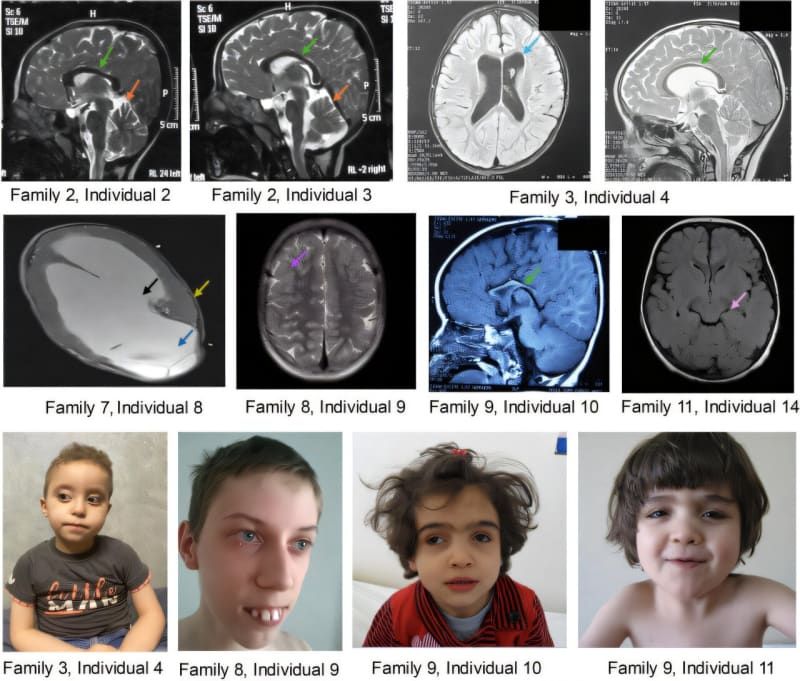
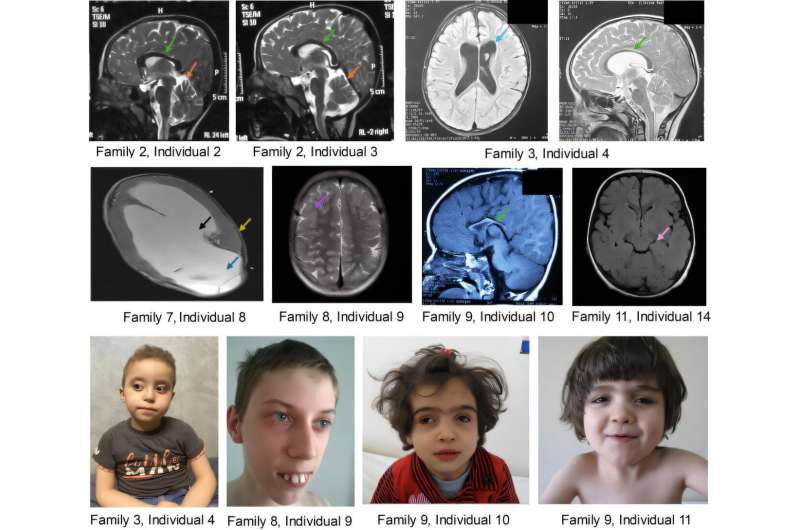
The conditions varied widely in severity. Some children showed mild developmental delays while others experienced profound intellectual disability. Many also had autism, ADHD, or epilepsy. Brain scans revealed structural differences in most children, including thinner connections between brain hemispheres and abnormalities in the cerebellum, which controls coordination.
Before this study, ASTN1 had been suspected but never confirmed as a cause of human disorders. The gene didn't even appear in major clinical genomic databases linking it to neurodevelopmental conditions.
Why This Inspires
This breakthrough represents the beautiful full circle of scientific research. What started as curiosity-driven studies in laboratory mice has transformed into real answers for real families. For years, these parents navigated a healthcare system without a roadmap, uncertain about their children's futures and how to help them best.
Now they have a diagnosis. That single piece of information changes everything, from accessing appropriate therapies to connecting with other families facing similar challenges. It validates what parents knew all along: something specific was affecting their children's development.
The findings also strengthen the case for investigating ASTN2, a closely related gene that works in partnership with ASTN1. Understanding these genetic partnerships could unlock diagnoses for even more families still searching for answers.
This research proves that patient, decades-long scientific work eventually pays off in the most meaningful way possible: giving families the gift of understanding.
More Images


Based on reporting by Medical Xpress
This story was written by BrightWire based on verified news reports.
Spread the positivity!
Share this good news with someone who needs it