300-Year-Old Tool Could Save Astronauts on Mars Missions
NASA is training astronauts to navigate home from deep space using centuries-old sextants, the same tools sailors once used to cross Earth's oceans. If all high-tech systems fail on future Mars missions, these simple star-measuring devices could be the difference between life and death.
When all your electronics die millions of miles from Earth, a tool from the 1700s might be your ticket home.
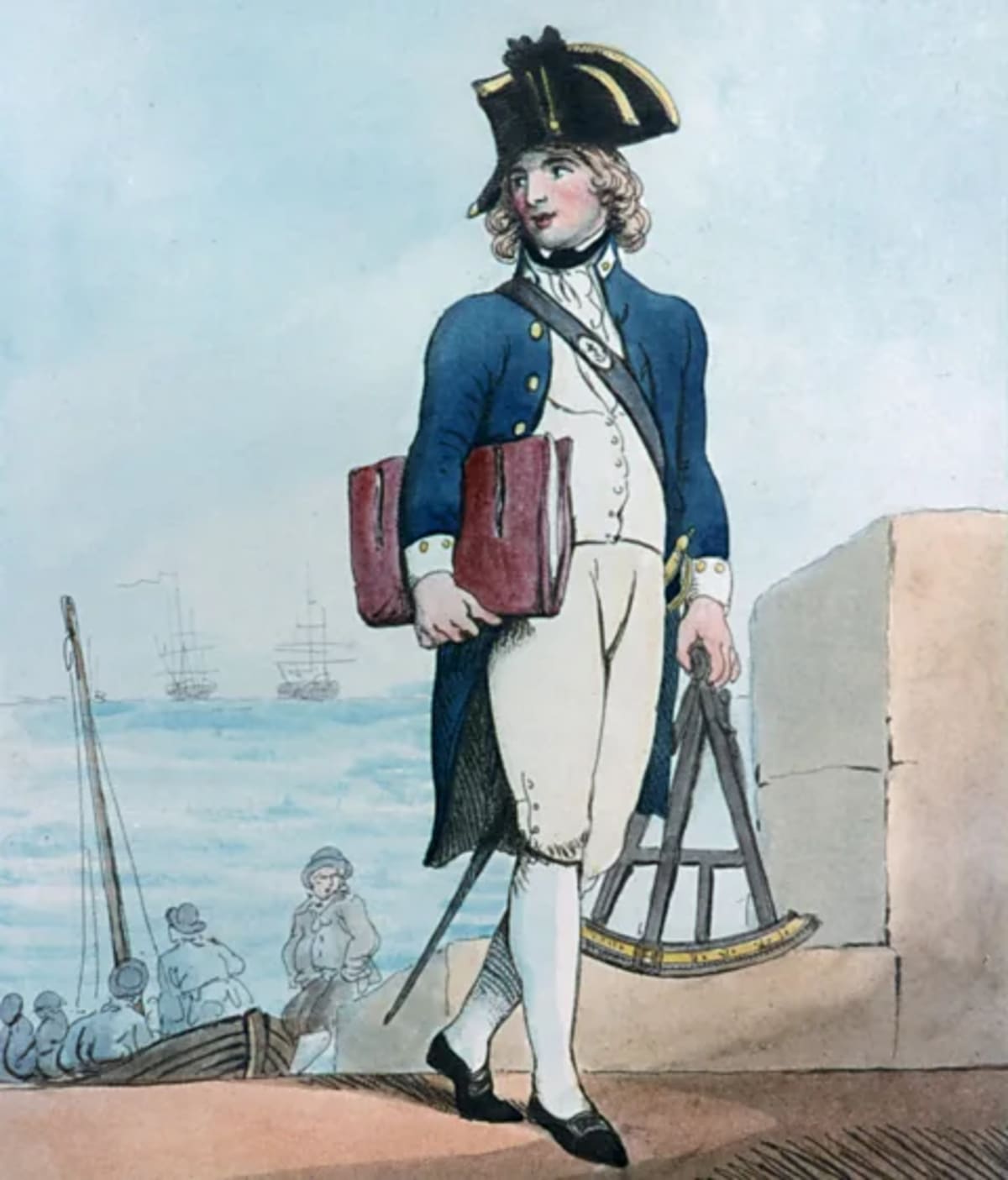
NASA engineers are keeping ancient navigation alive for the most modern reason imaginable: saving astronauts stranded in deep space. The humble sextant, which helped sailors cross oceans for 300 years, is now trained on stars as a backup plan for missions to the Moon and Mars.
Greg Holt manages navigation systems for NASA's Orion spacecraft and Artemis Moon missions. He explains the challenge simply: "The further and further we go out, the less and less we can rely on Earth-based navigation technology."
Satellites can't reach Mars. Radio signals take too long. So NASA is teaching astronauts skills from the 16th century, measuring angles between stars and planets to calculate their position in space.
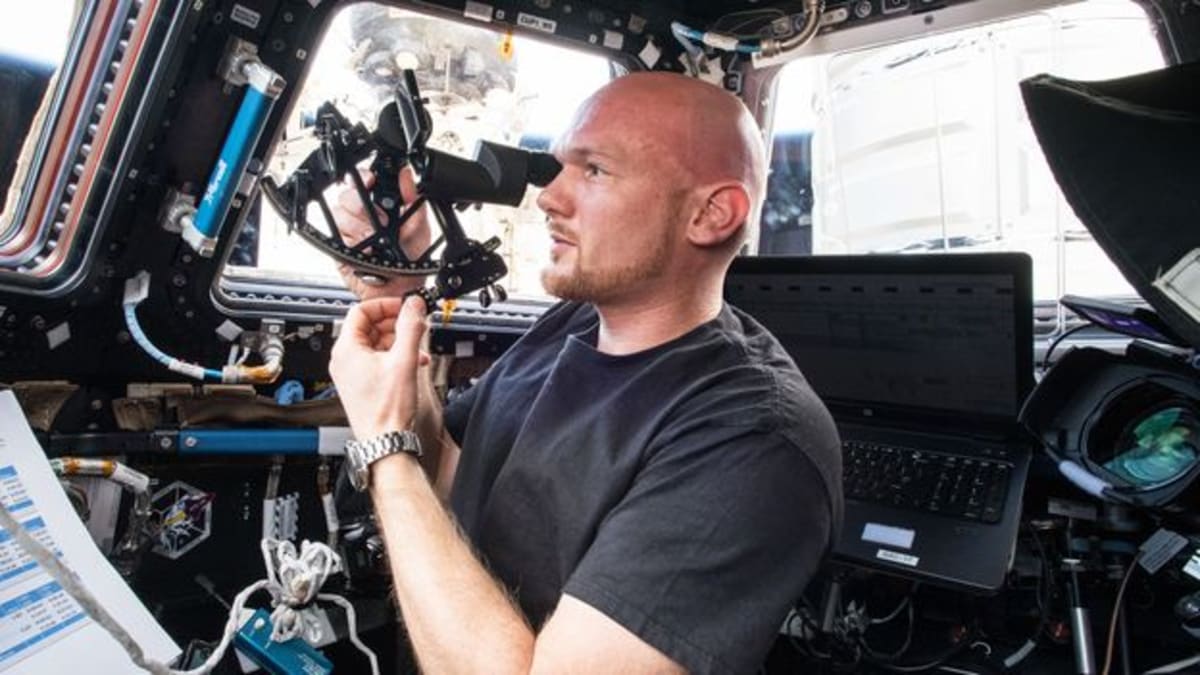
This isn't just theory. In 2018, astronauts Serena Auñón-Chancellor and Alexander Gerst tested a hand-held sextant aboard the International Space Station. They measured star positions with nothing but their eyes and steady hands. The results were accurate enough to navigate home in an emergency.
The experiment echoed NASA's earliest days. Neil Armstrong worried whether crews could navigate without Earth's help. During Apollo 13's near-disaster in 1970, Jim Lovell famously used Earth itself as a visual reference point to guide the crippled spacecraft home.
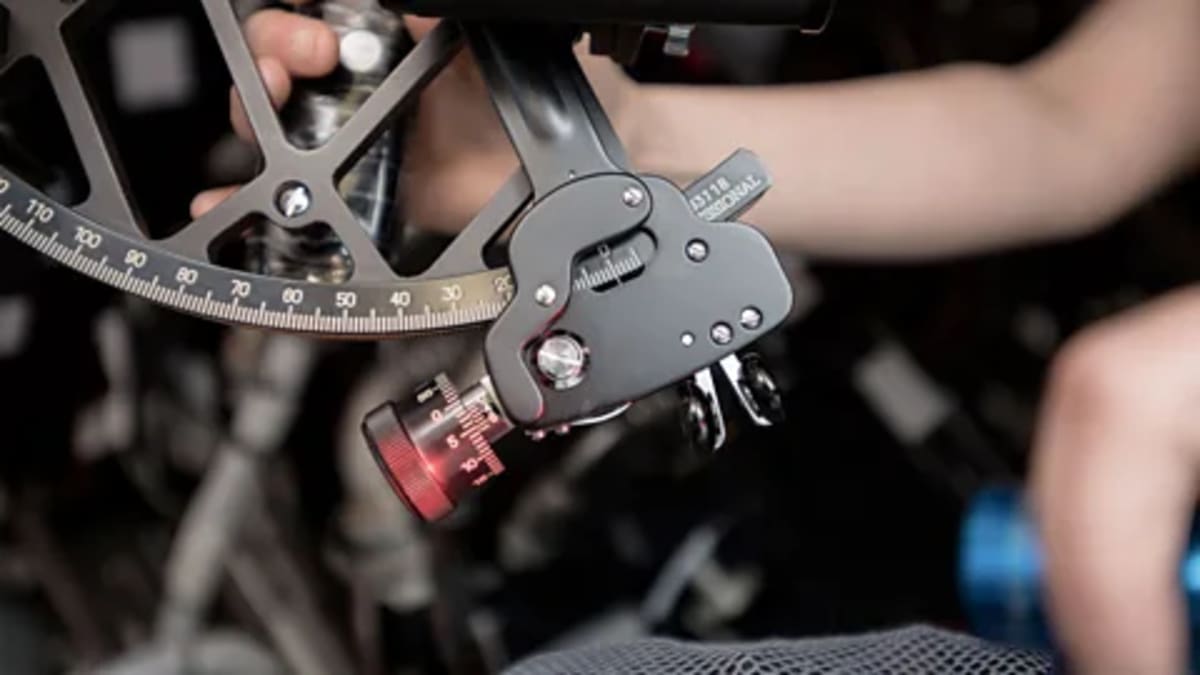
Today's Orion spacecraft carries two backup systems. First, a high-tech camera automatically photographs stars and calculates positions. But tucked away as the final failsafe sits a modified sextant, essentially unchanged from its ocean-going ancestor. NASA rounded its edges to prevent scratches and added velcro to stop it floating away in zero gravity.
Astronauts report the device actually works better in space than on Earth. Without gravity pulling on their arms, taking precise measurements feels surprisingly natural.
Why This Inspires
This story captures something beautiful about human ingenuity. We're planning to send people to another planet, relying on cutting-edge technology that didn't exist a generation ago. Yet our ultimate safety net is a tool that predates electricity.
It shows that wisdom doesn't expire. The same principles that guided ships across Earth's oceans in the age of sail can guide spacecraft across the ocean of space. Ancient knowledge and future exploration aren't opposites. They're partners.
During the recent Artemis II mission preparations, that hand-held sextant sat ready, connecting the age of wooden ships to the age of Mars colonies. It reminds us that sometimes the most advanced preparation is remembering what already works.
The stars guided our ancestors across unknown seas. Now they'll guide their descendants across the cosmos.
More Images
Based on reporting by Google News - Technology
This story was written by BrightWire based on verified news reports.
Spread the positivity!
Share this good news with someone who needs it