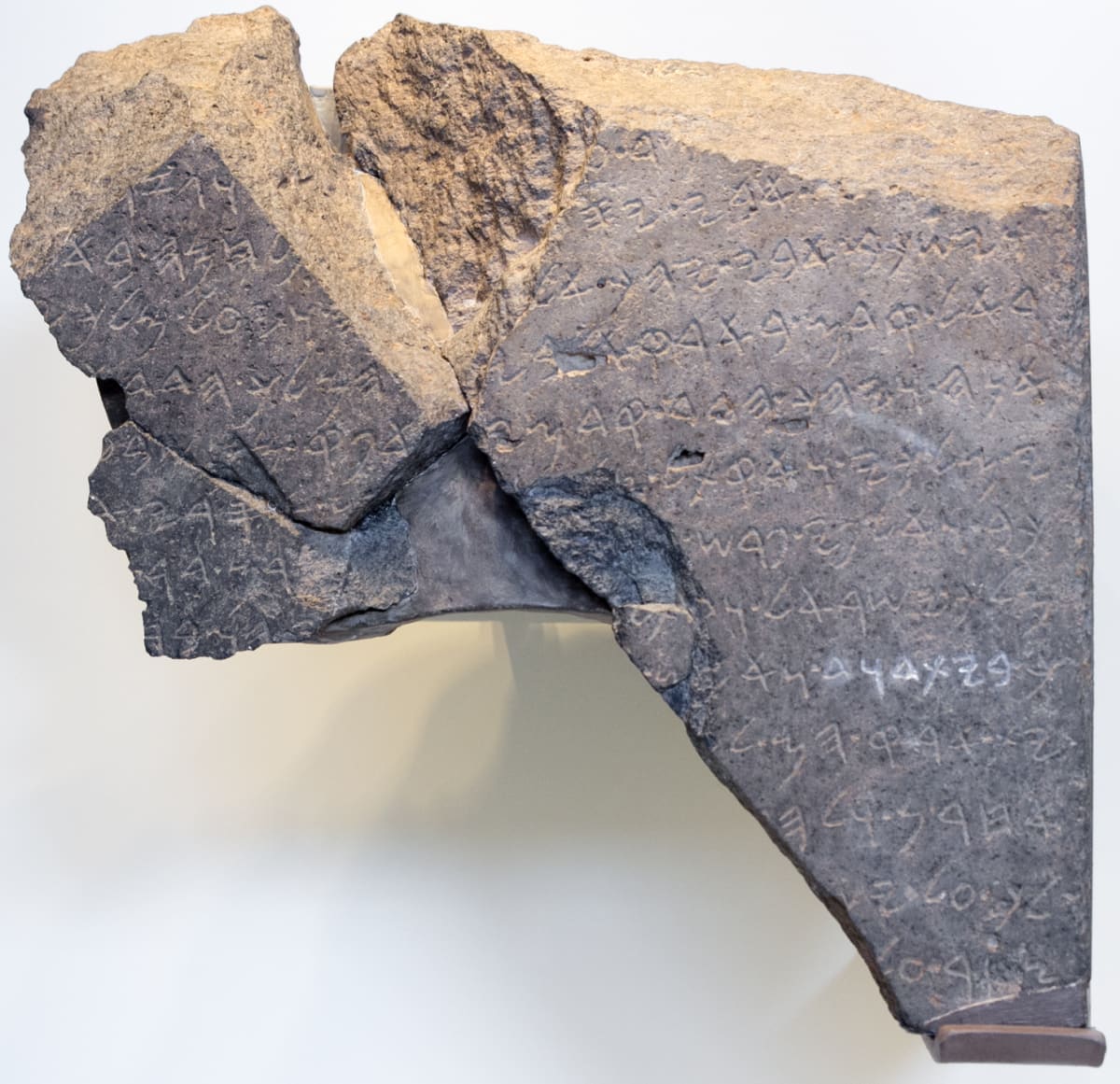
3,000-Year-Old Stone Names David's Dynasty for First Time
A broken basalt stone discovered in 1993 at an ancient Israeli gate contains the earliest known reference to the "House of David" outside the Bible. The find transformed archaeological debates about whether David's kingdom actually existed.
When sunlight hit a dark stone beneath archaeologist Gila Cook's feet in July 1993, shallow carved letters suddenly appeared across its surface. She was measuring an ancient gateway at Tel Dan in northern Israel when the basalt fragment revealed words that had been hidden for nearly 3,000 years.
The stone turned out to be part of a victory monument erected by an Aramean king around the ninth century BCE. Someone had smashed the original meter-tall monument in ancient times and reused the pieces as building material in the city's entrance.
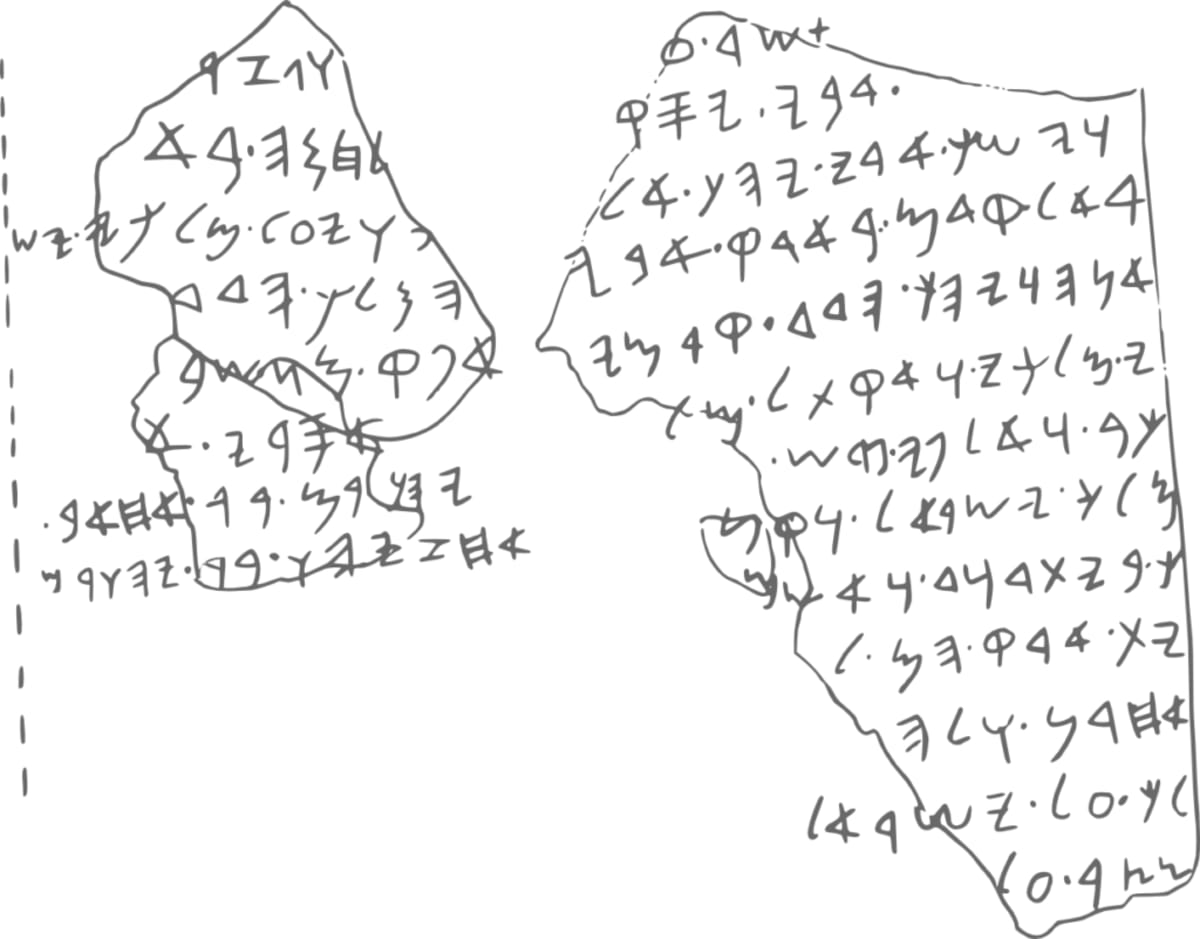
Cook and excavation director Avraham Biran found the first fragment embedded in the paved gateway. Two more pieces emerged the following year from nearby debris. Together, they preserved parts of an Aramaic inscription celebrating military victories over the kingdoms of Israel and Judah.
Then researchers spotted three words that changed everything: BYTDWD, which translates to "House of David." In ancient political language, a "house" meant a ruling dynasty founded by a particular ancestor. An enemy king writing about his victories had identified Judah's rulers as belonging to David's dynasty.
Before this discovery, historians debated whether King David existed at all beyond biblical stories. No other ancient inscription had clearly mentioned David or his dynasty. Some scholars thought he might have been a minor chieftain whose story grew larger over centuries. Others considered him mostly a literary creation.
The Tel Dan Stele didn't prove every biblical detail about David's life. It said nothing about Goliath, Jerusalem's capture, or the size of his kingdom. But it showed that roughly a century after David's traditional lifetime, neighboring kingdoms recognized Judah's rulers as his descendants.
The inscription actually contradicts some biblical accounts. The Aramean author takes credit for defeating Israel and Judah's kings, while the Book of Kings attributes their deaths to someone else entirely. History was clearly more complicated than any single source suggested.
Why This Inspires
What makes this discovery hopeful isn't just solving an ancient puzzle. It's watching evidence emerge from patient, careful work by archaeologists who spent decades excavating one site. Cook noticed subtle letters in changing sunlight because she looked closely at what seemed like ordinary rubble.
The stone fragments now rest in the Israel Museum, still broken but finally understood. They remind us that real answers often come not from dramatic revelations but from attention to small details that connect us across millennia.
Sometimes the most important words are the ones we almost missed.
More Images
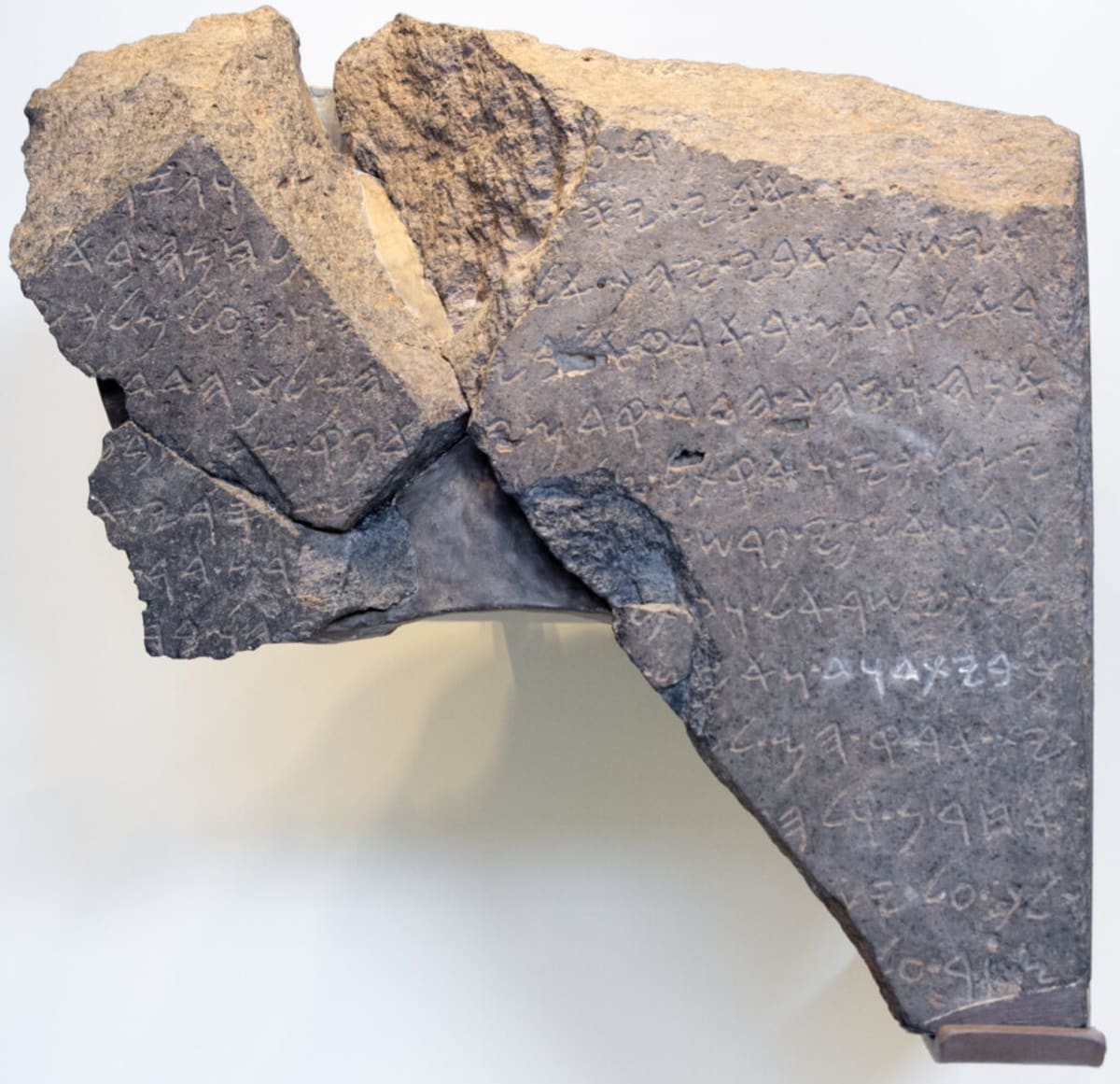
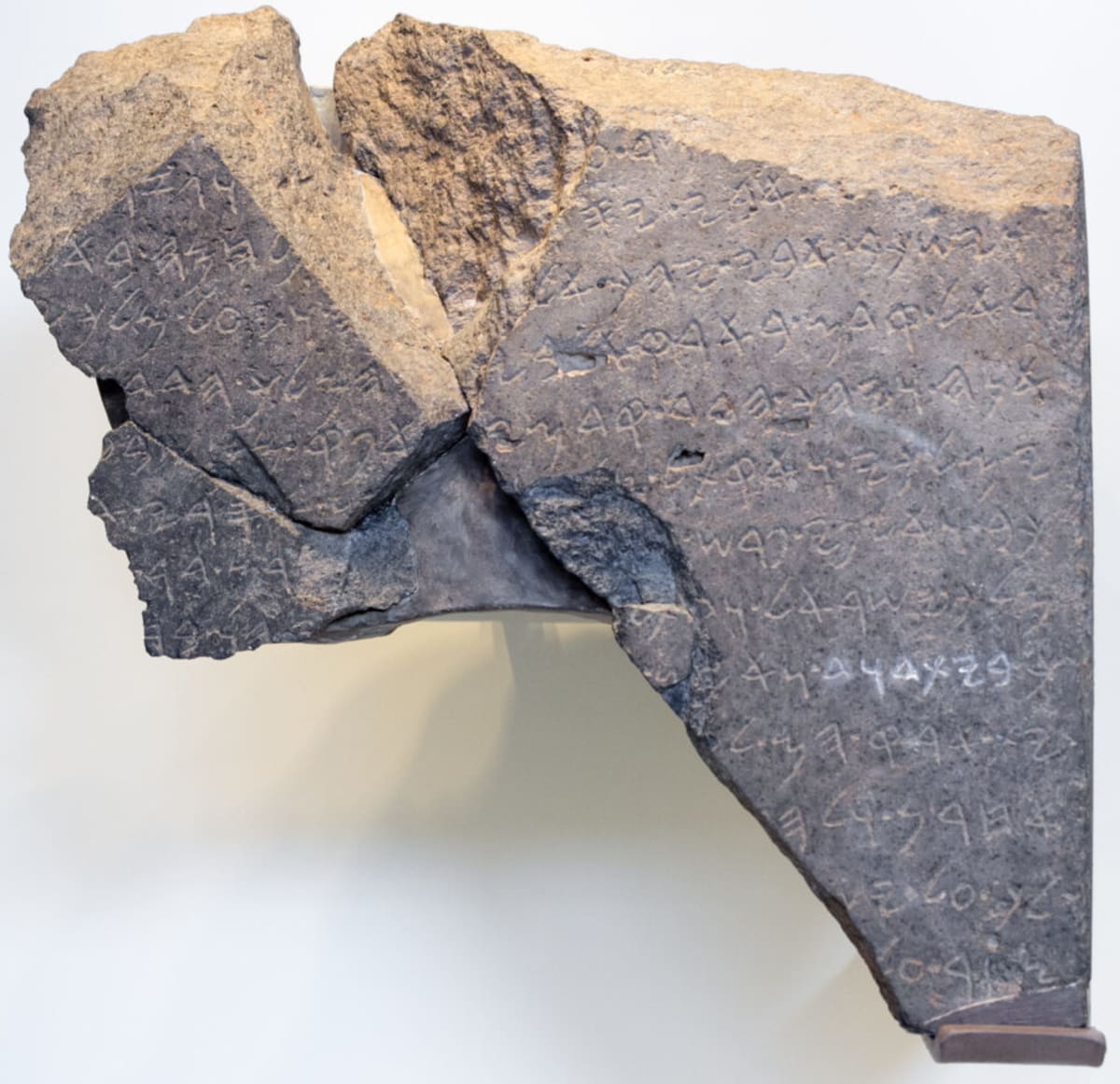
Based on reporting by Google: archaeological discovery
This story was written by BrightWire based on verified news reports.
Spread the positivity!
Share this good news with someone who needs it

%2Fhttps%3A%2F%2Ftf-cmsv2-smithsonianmag-media.s3.amazonaws.com%2Ffiler_public%2F75%2F34%2F75342ac4-0f4b-4563-a63d-3012f0feae31%2Fgettyimages-2293659629.jpg)