30,000 Rare Flies Bred in Jam Jars Return to Scotland
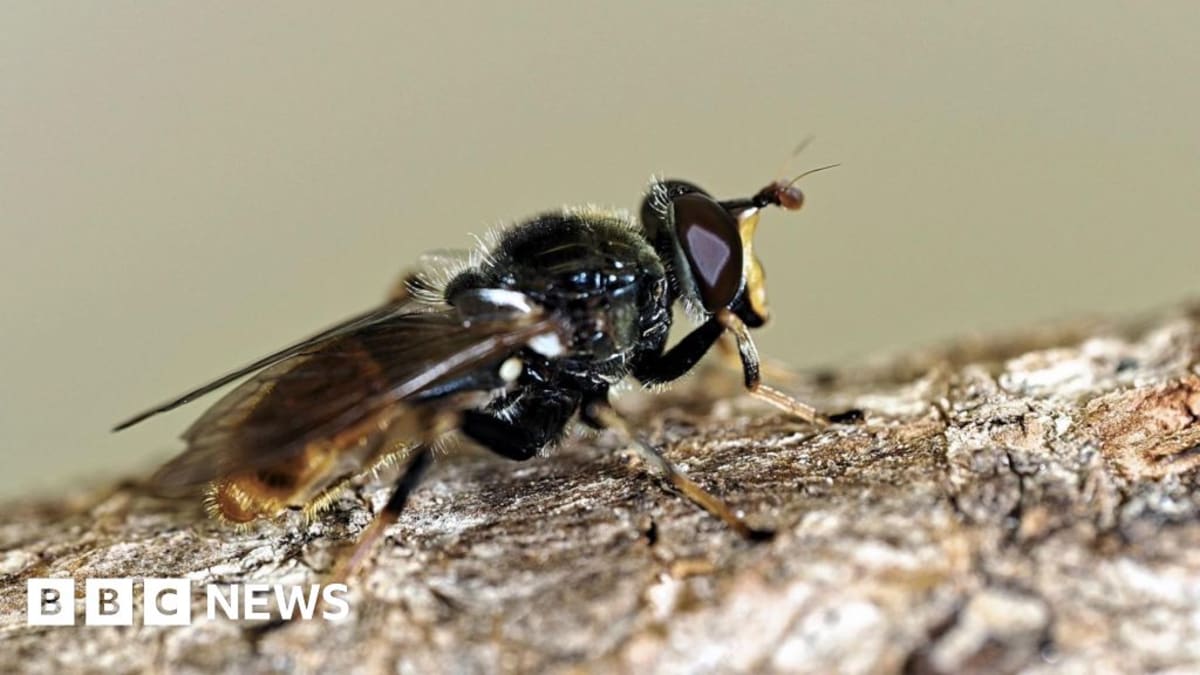
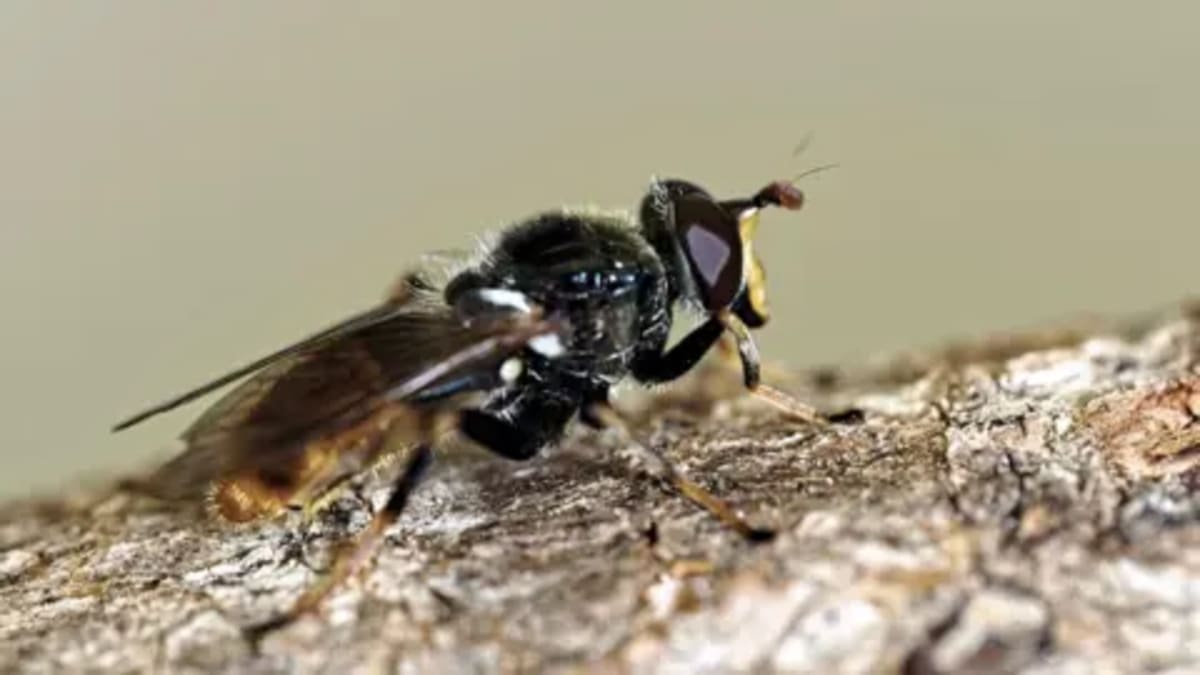
A critically endangered fly species once down to just 50 insects in Scotland has rebounded to 30,000 thanks to an ingenious conservation effort using household jam jars and hummus pots. The pine hoverfly now outnumbers the human population of Cairngorms National Park, where it's making a historic comeback.
Seven years ago, one of Britain's rarest insects was on the brink of vanishing forever, with only 50 pine hoverflies clinging to survival in a single Scottish woodland. Today, conservationists have released 30,000 of these tiny survivors back into Cairngorms National Park, nearly double the number of people who call the park home.
The secret weapon in this remarkable rescue? Ordinary jam jars.
The Royal Zoological Society of Scotland launched a breeding program in 2018 that turned simple household containers into lifesaving nurseries. Conservationists discovered they could recreate the flies' natural home by filling jam jars and hummus pots with pine wood chippings and rainwater, creating the "nutritious soup" of bacteria that hoverfly larvae need to survive.
In the wild, these larvae live in tiny holes rotted into old pine trees. The conservation team replicated those exact conditions, plugging jar tops with damp moss and carefully monitoring temperatures to keep the baby flies thriving.
The effort paid off spectacularly. In 2022, researchers spotted an adult pine hoverfly in the wild for the first time in a decade. Since then, they've released batches of thousands, including nearly 7,000 larvae in March alone.
The Ripple Effect
This success story extends far beyond one species. The Rare Invertebrates in the Cairngorms project is discovering more about threatened species across the park and working with local landowners to restore entire habitats. When you save space for one rare creature, you often create homes for dozens of others.
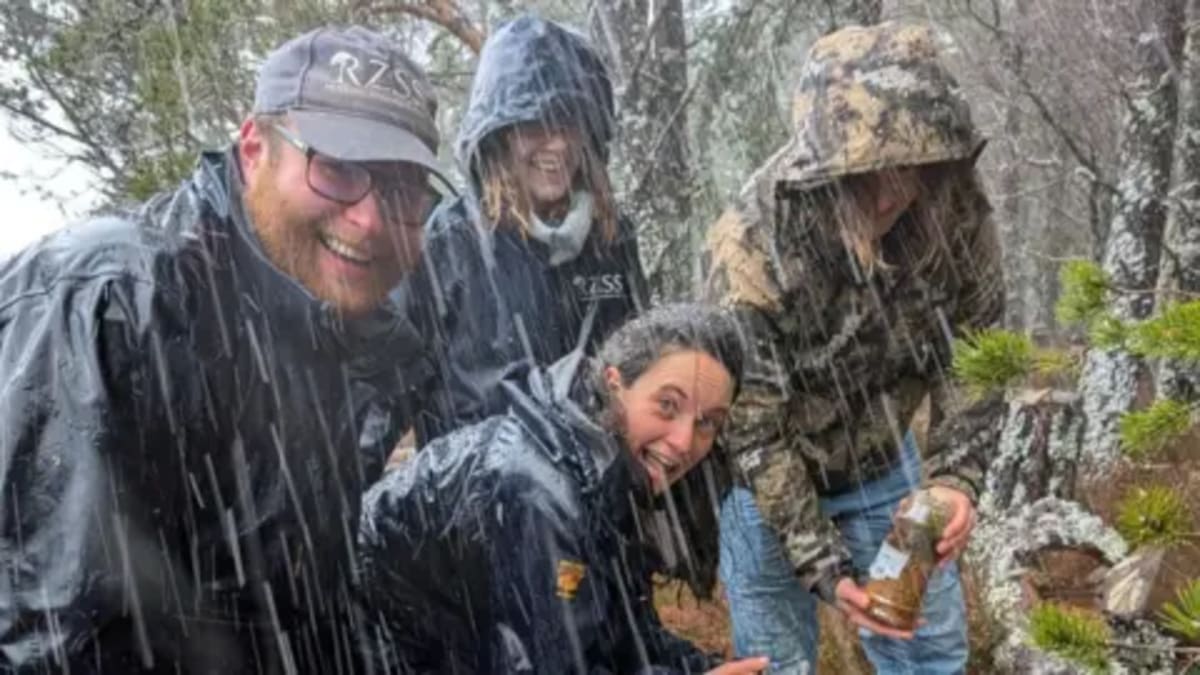
The collaborative effort brings together government funding, conservation groups, landowners, and dedicated field workers who brave heavy rain to give each batch of larvae their best shot at survival. Field conservation manager Georgina Lindsay calls the milestone "emblematic of so much hard work and dedication."
The pine hoverfly remains critically endangered, but its population explosion shows what's possible when communities rally around species that need help.
What started with 50 flies and a few jam jars has become a testament to human creativity and care, proving that even the smallest creatures deserve our biggest efforts.
More Images
Based on reporting by BBC Science
This story was written by BrightWire based on verified news reports.
Spread the positivity!
Share this good news with someone who needs it