32 Nations Unite Over Space Tech for Shared Challenges
More than 500 delegates from 32 countries gathered in Uzbekistan to show how satellites are solving real problems like food security and water scarcity through cooperation instead of competition. As the global space economy heads toward $1 trillion by 2030, Central Asian nations are proving space technology works best when shared.
Countries once divided by borders are now united by satellites, turning space into a tool for solving shared problems across Central Asia.
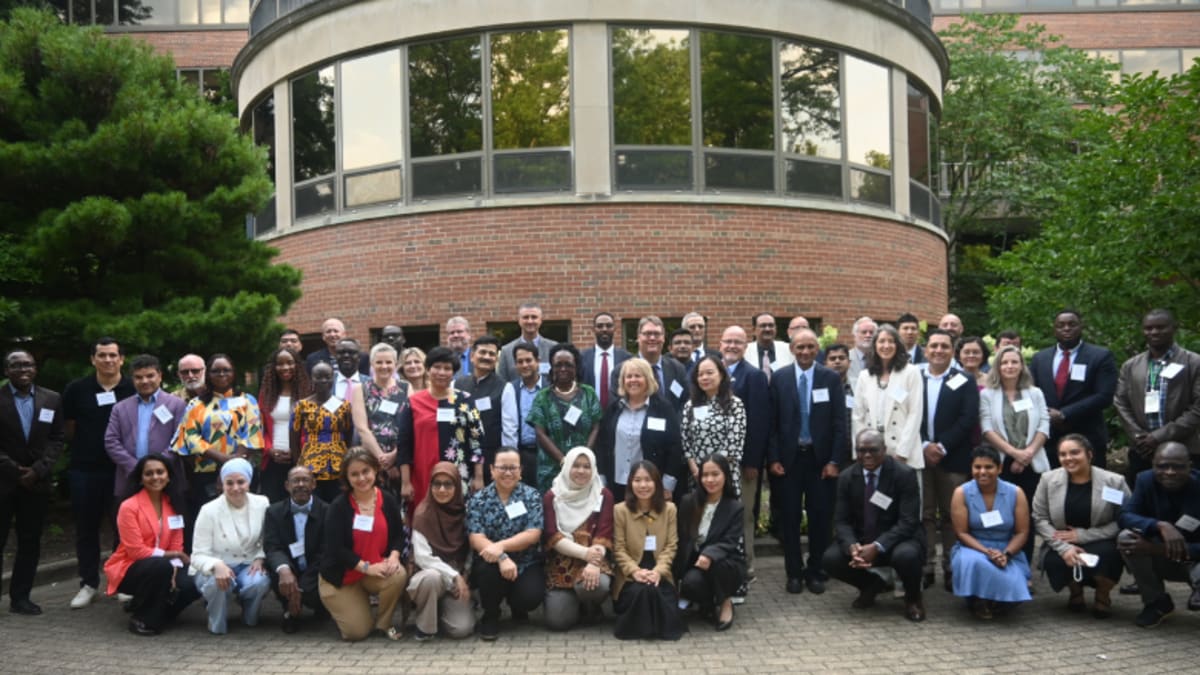
Over 500 representatives from 32 nations met at the Space Technology Conference 2026 in Uzbekistan this week. They came with a common goal: using satellites to tackle agriculture challenges, manage scarce water resources, and monitor environmental changes affecting millions of people.
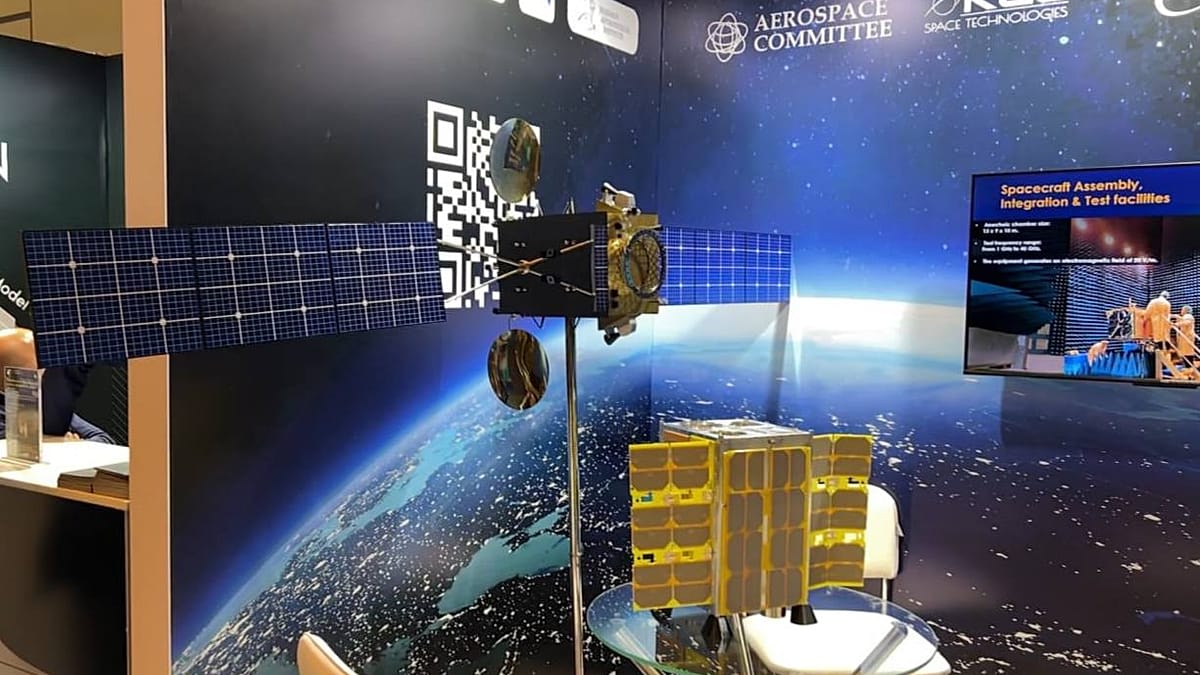
The conference brought together national space agencies, government officials, and major companies including Airbus, Planet Labs, and Capella Space. Instead of competing for space dominance, these nations are sharing satellite data and building partnerships to address problems no single country can solve alone.
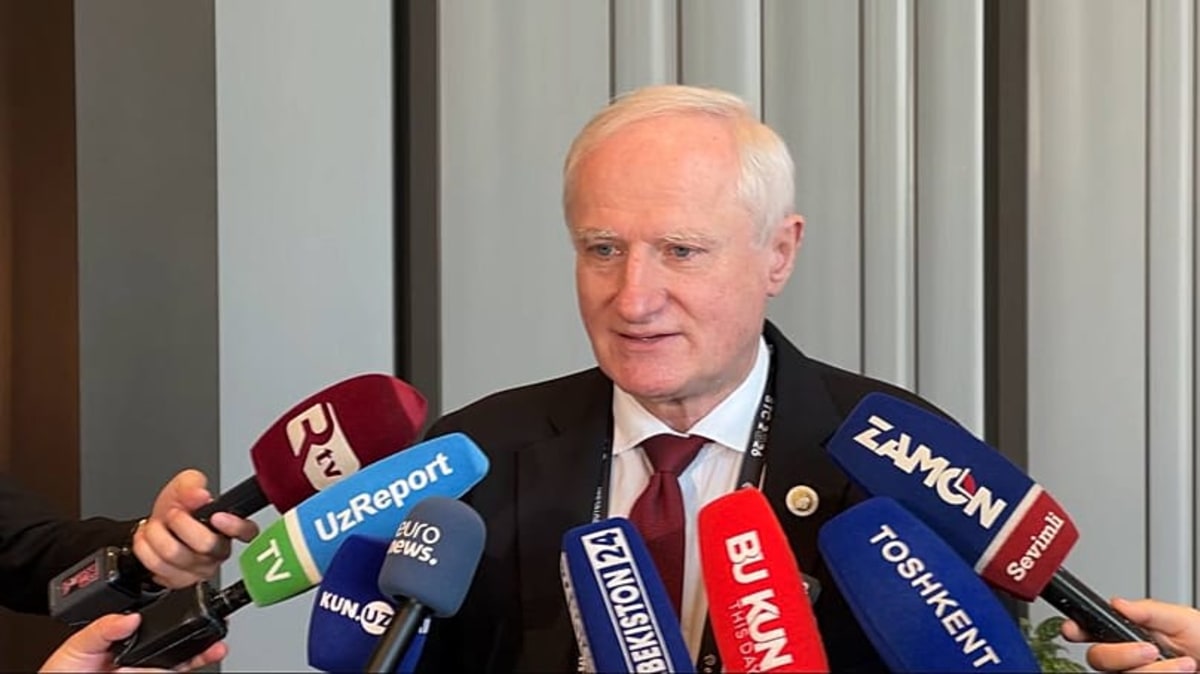
Uzbekistan has made remarkable progress in just five years, according to UzCosmos deputy director Muhiddin Ibragimov. The country plans to launch its first astronaut, develop a satellite constellation, and host the International Astronautical Congress in 2028, one of the world's largest space gatherings.
Kazakhstan is expanding Earth observation capabilities and leveraging its Baikonur Cosmodrome infrastructure for regional partnerships. Azerbaijan's Azercosmos now provides satellite connectivity services beyond its own borders, helping neighboring countries access digital technologies.
Turkey's first astronaut, Alper Gezeravcı, noticed something equally important during his university visits. "It is inspiring to see how much focus is being placed on preparing young people," he said, pointing to education as the foundation for long-term success.
Private companies are driving practical applications that directly benefit farmers and communities. Planet Labs provides daily imagery helping governments monitor crops and manage water. Hydrosat uses thermal imaging to detect water stress in plants before visible damage occurs, crucial information in water-scarce regions.
The Ripple Effect
The cooperation extends beyond technology sharing. Countries are exchanging specialists for training, developing joint projects, and building cross-border communication networks that benefit entire populations.
Christian Feichtinger, executive director of the International Astronautical Federation, called Uzbekistan's progress remarkable. Hosting a major global space event will create new partnerships and deepen the region's integration into the worldwide space community.
The shift from competition to cooperation comes as the space economy approaches $1 trillion by 2030. These nations recognized that satellite technology works better when data flows freely across borders, especially for challenges like drought, food security, and climate monitoring that affect entire regions.
Young students across Central Asia are now learning space science in schools, building the next generation of engineers and scientists. Private companies are establishing regional partnerships that turn satellite data into actionable services for agriculture, environmental protection, and disaster response.
Space is proving that cooperation delivers more value than competition when nations face shared challenges.
More Images


Based on reporting by Euronews
This story was written by BrightWire based on verified news reports.
Spread the positivity!
Share this good news with someone who needs it