350 Tribal Workers Turn Invasive Weed Into Forest Fuel
In Tamil Nadu's Sathyamangalam Tiger Reserve, a tribal-led company is clearing choking lantana weeds and converting them into industrial fuel. The effort has cleared 150 acres, created 430 jobs, and is helping the forest breathe again.
For decades, a thorny invader has been strangling one of India's most important tiger habitats, and the people who know the forest best are finally fighting back.
In the Sathyamangalam Tiger Reserve, lantana camara has transformed once-open forests into impenetrable thickets. The invasive plant blocks sunlight, changes soil chemistry, and pushes wildlife closer to villages as native grasses disappear.
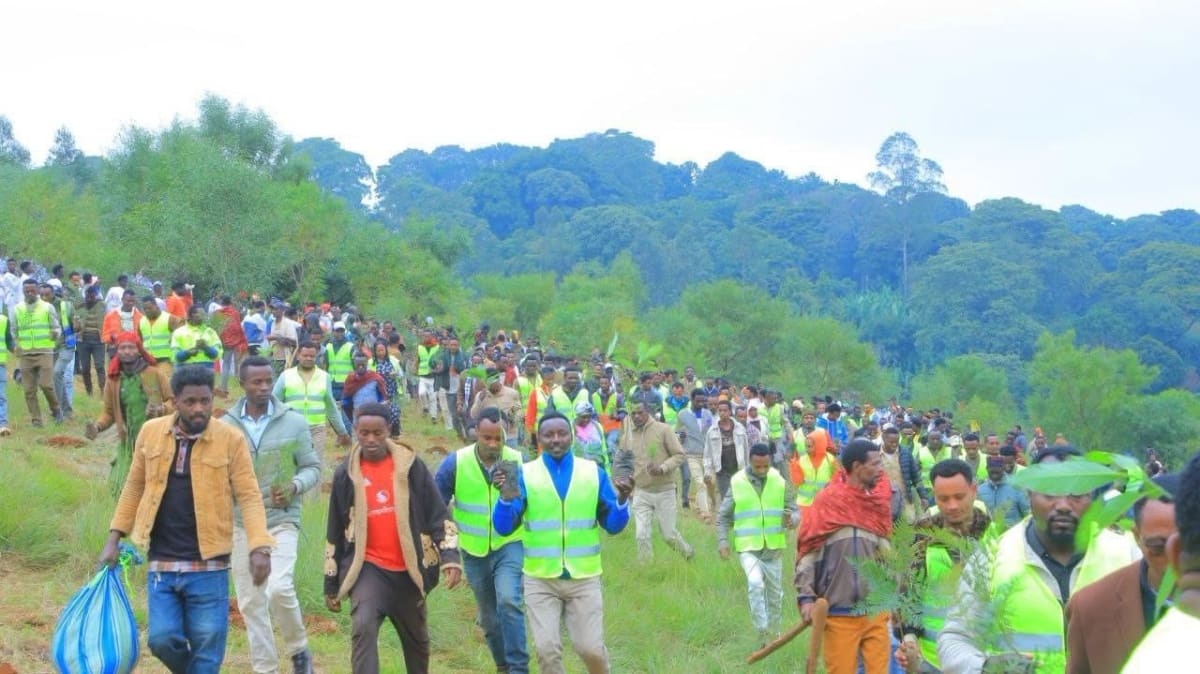
Now 350 tribal workers are taking their forest back, one uprooted plant at a time. They're part of TAMS Tribal Green Fuels, a company owned and run by tribal shareholders who have lived alongside these forests for generations.
The model is brilliantly simple. Workers remove lantana by the roots to prevent regrowth, then transport it to a processing facility where it becomes fuel briquettes. Industries buy the briquettes as an alternative energy source, generating revenue that flows back to the communities and funds more restoration.
Since May 2024, TAMS has sold 808 tonnes of briquettes and cleared nearly 150 acres in the reserve's core area. The work has reached 430 people when counting both regular and short-term restoration jobs.
What makes this different is the ownership structure. Thirty tribal shareholders anchor the company, each representing a cluster of villages. They organize removal teams, lead local operations, and ensure control stays distributed across communities rather than centralized.
Mathavi M, a director at TAMS, says the enterprise creates multiple income streams. Workers earn daily wages for removal, about 10 people work at the briquetting facility, and restoration efforts provide additional employment opportunities.
The work is also changing who leads. Women who started removing lantana are now coordinating work groups and managing payments, moving from labor roles into leadership positions they hadn't accessed before.
The Ripple Effect
The changes ripple beyond paychecks. As lantana disappears, native plants return and wildlife patterns begin to normalize. Herbivores find grazing grounds again, and communities can access forest resources more easily.
The model received Rs 1.5 crore in equity funding from Startup Tamil Nadu, plus additional debt support. WWF-India helped prove the concept through testing that showed lantana briquettes deliver over 4,800 kcal per kilogram, making them competitive with conventional biomass fuels.
Lantana covers nearly 40% of India's tiger habitats, choking more than 150,000 square kilometers. What's happening in Sathyamangalam could become a blueprint for communities across the country facing similar invasions.
The forest is opening up again, and the people who've always belonged there are leading the way forward.
More Images
%2Fenglish-betterindia%2Fmedia%2Fmedia_files%2F2026%2F05%2F06%2Ftbi-x-wwf-2026-05-06-16-33-41.png)
%2Ffilters%3Aformat(webp)%2Fenglish-betterindia%2Fmedia%2Fmedia_files%2F2026%2F05%2F06%2Fimg_7446-2026-05-06-19-37-58.jpg)

%2Ffilters%3Aformat(webp)%2Fenglish-betterindia%2Fmedia%2Fmedia_files%2F2026%2F05%2F06%2Flant8-2026-05-06-19-38-39.jpg)
Based on reporting by The Better India
This story was written by BrightWire based on verified news reports.
Spread the positivity!
Share this good news with someone who needs it