3,500-Year-Old Loom Preserved by Fire in Spain
A devastating Bronze Age fire accidentally created a time capsule, preserving an ancient weaving system that's rewriting what we know about prehistoric textile innovation. The 3,500-year-old loom discovered in Spain reveals surprisingly sophisticated technology.
Sometimes destruction leads to discovery. A fire that swept through a Spanish settlement 3,500 years ago preserved one of Europe's most complete Bronze Age weaving systems, giving archaeologists an unprecedented window into ancient innovation.
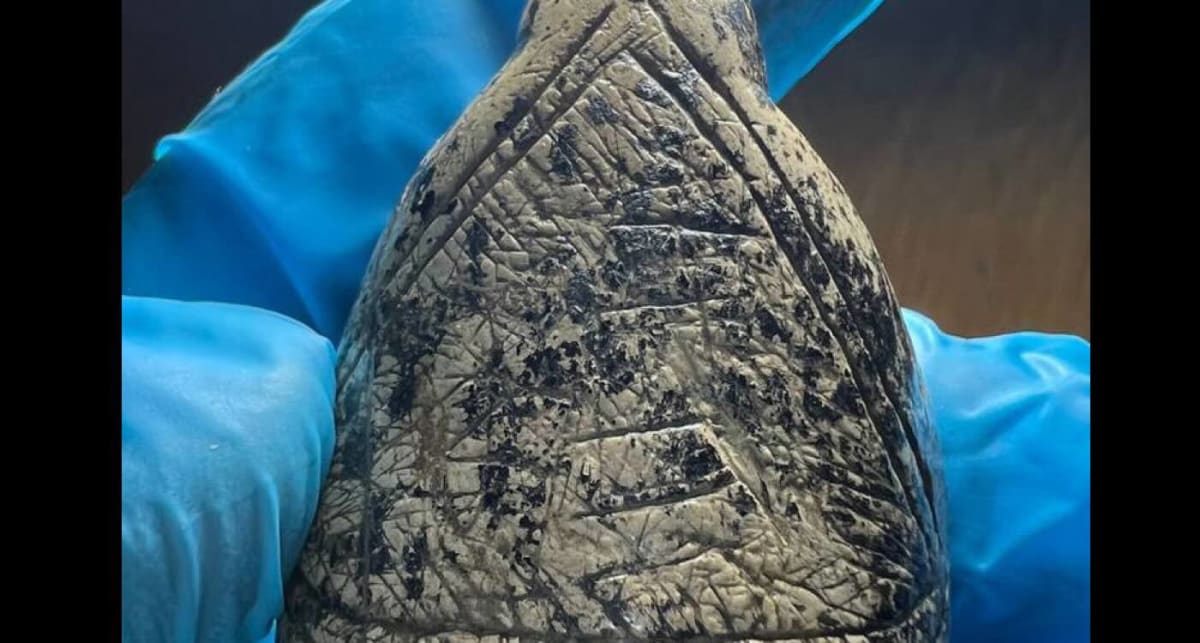
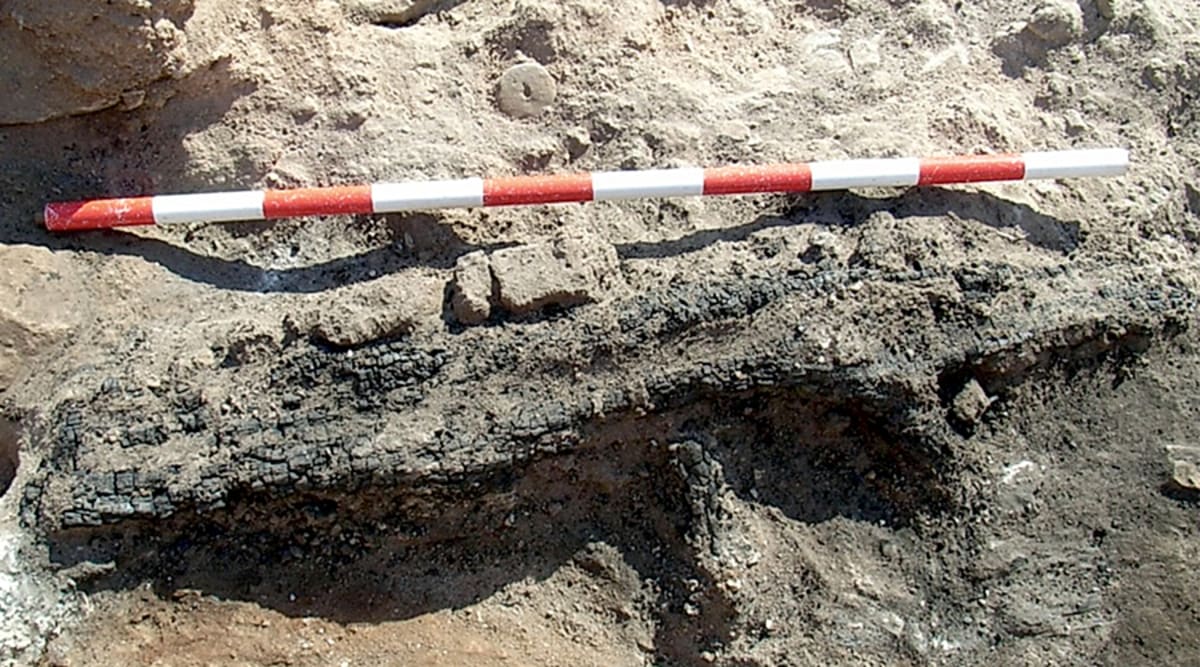
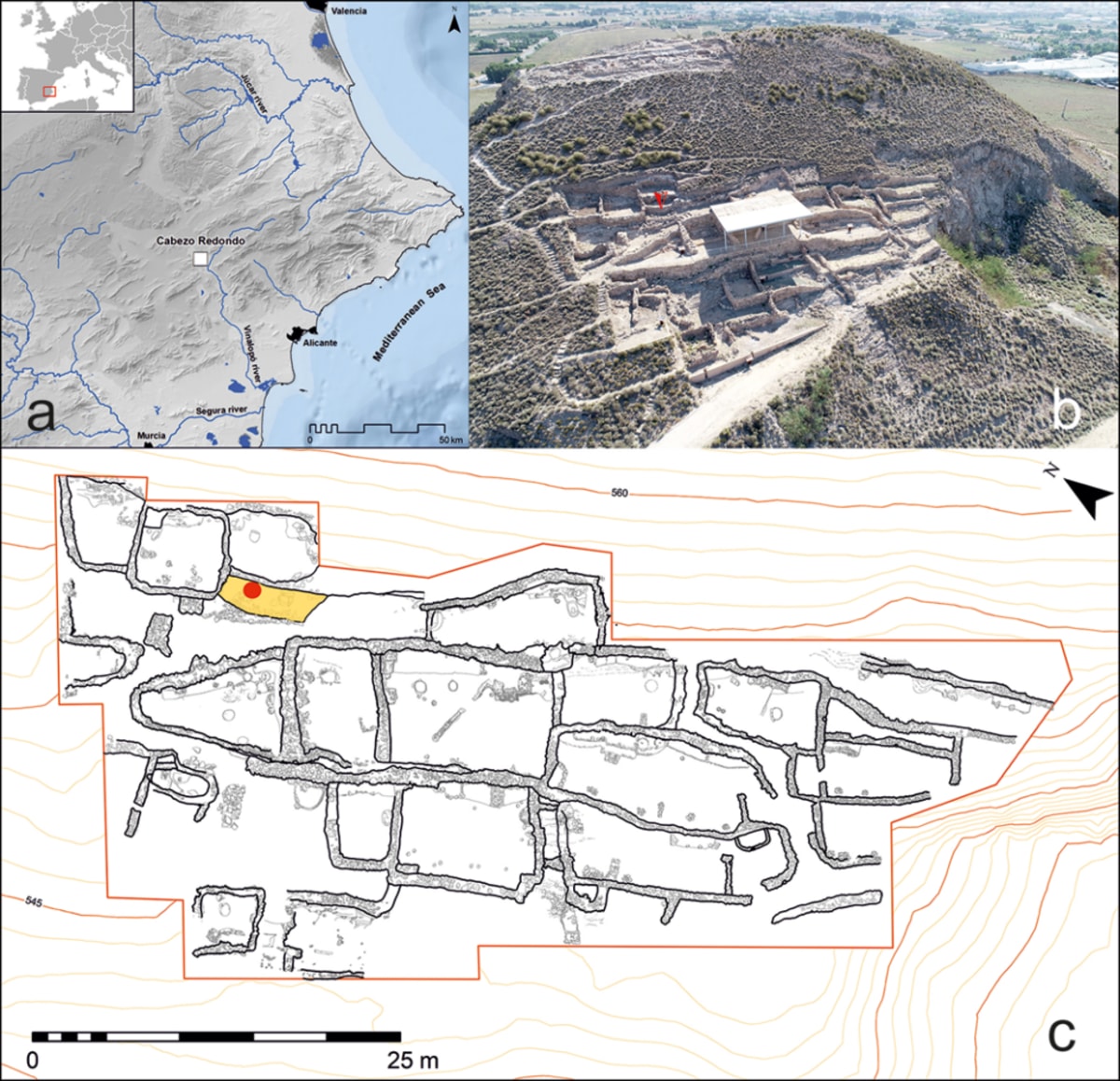
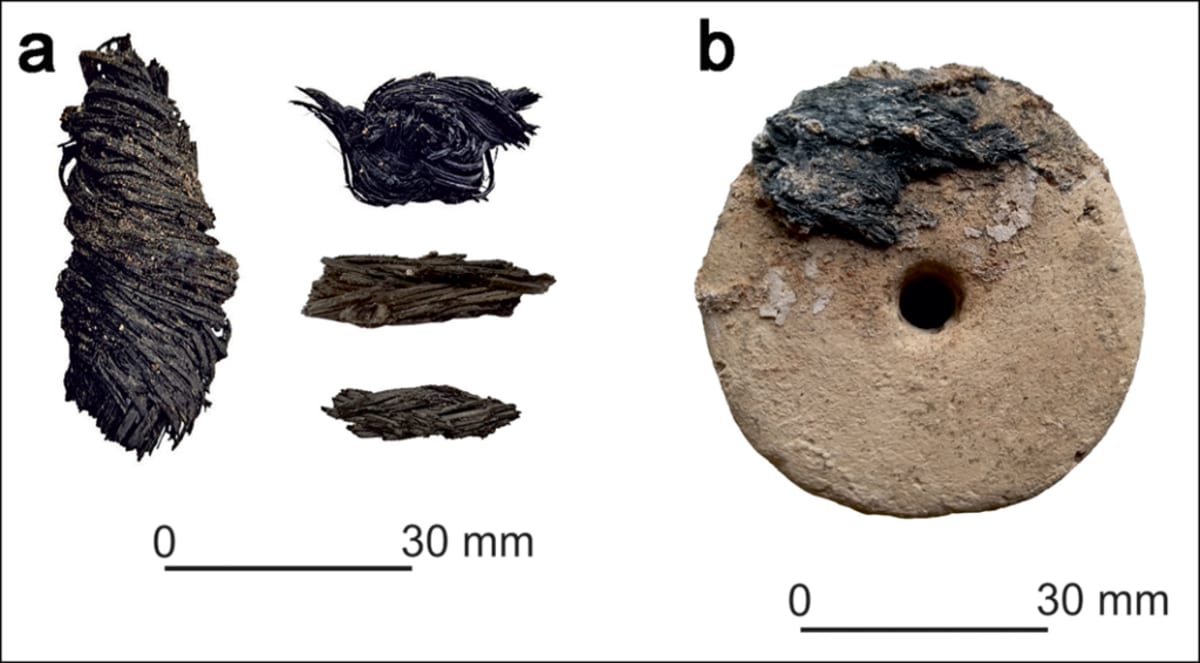
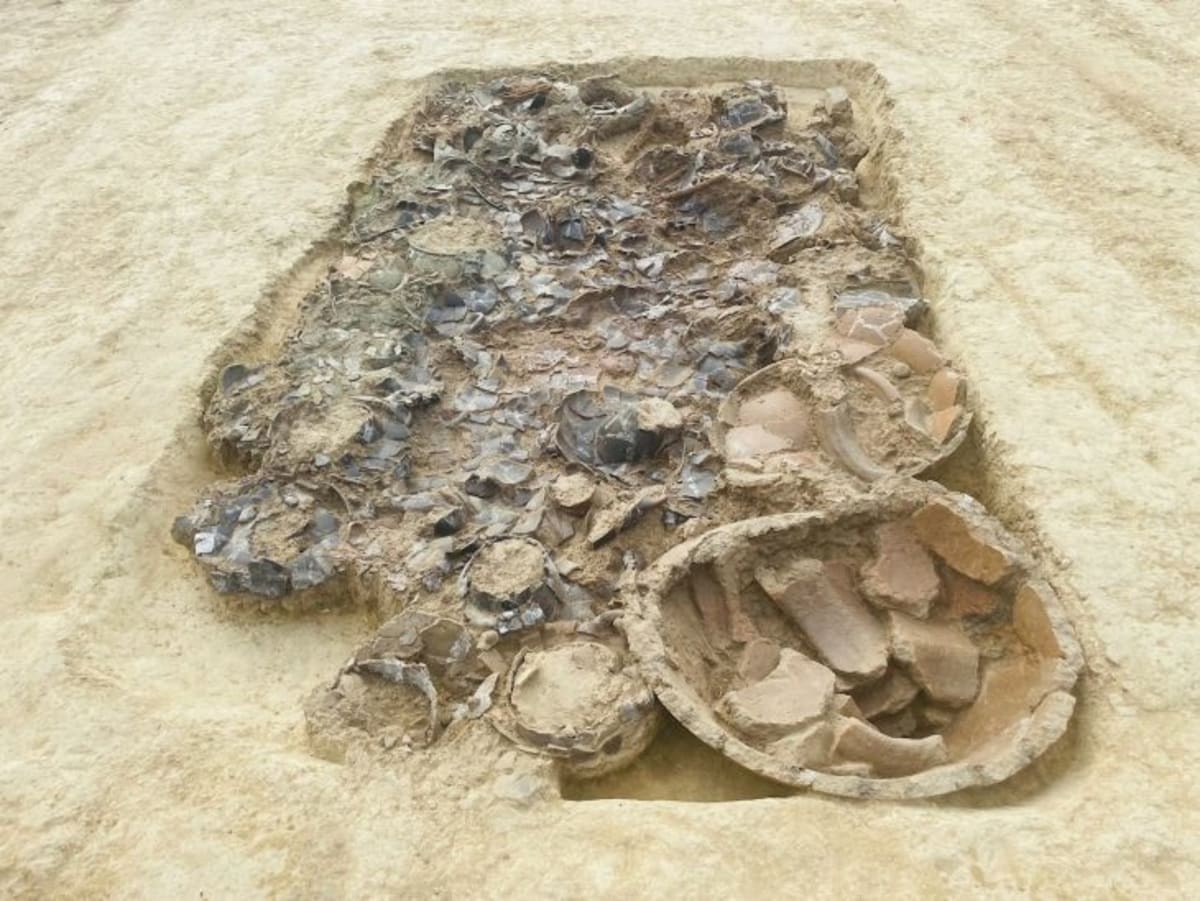
At Cabezo Redondo near Alicante, researchers unearthed a full warp-weighted loom sealed by flames around 1500 BC. The catastrophic blaze carbonized wooden beams, plant fibers, and rope made from esparto grass, creating a protective seal that defied millennia of decay.
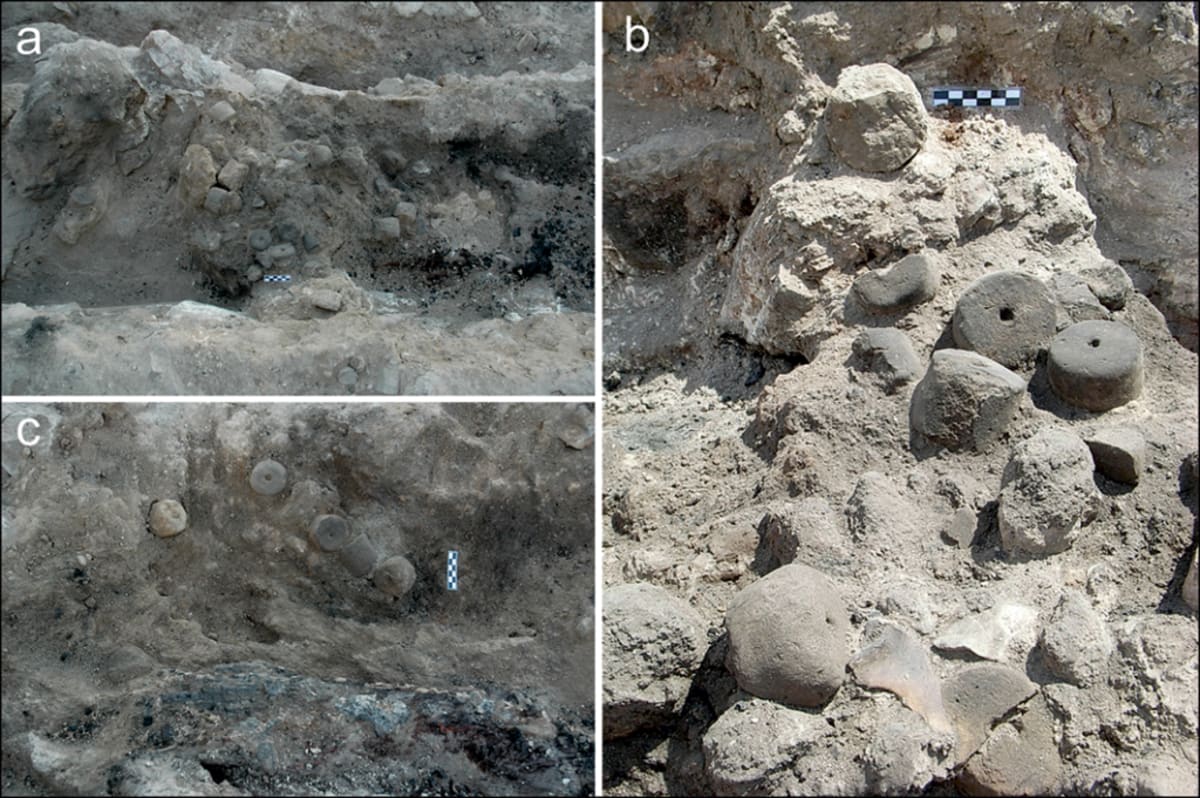
What emerged stunned the team from the University of Alicante. The loom stood on a raised platform with upright posts of Aleppo pine, horizontal beams, and 49 clay weights arranged in precise rows.
Here's where it gets fascinating. These loom weights averaged just 200 grams, far lighter than typical Bronze Age weights that usually weighed 400 to 900 grams. That seemingly small detail reveals something remarkable: these ancient weavers were producing delicate, fine textiles using thin threads.
The discovery suggests Bronze Age communities were far more technologically advanced than previously thought. They weren't just making rough fabric but experimenting with different weaving techniques to create everything from lightweight gauze to complex twill patterns.
Researchers found evidence that weavers could reconfigure the same loom for different fabrics. Two rows of weights produced open, airy weaves, while four rows enabled denser, patterned textiles. This flexibility shows sophisticated understanding of textile mechanics.
The site reveals weaving wasn't a specialized craft but a shared community activity. The loom sat in a semi-open area connected to nearby houses, with spindle whorls and braided cords indicating the full production chain happened right there.
The Bright Side
Most Bronze Age looms disappear forever because wood decays. Archaeologists typically find only the clay weights, making reconstruction guesswork at best. This fire accidentally created one of Europe's rarest preservation events, capturing wooden structures and organic materials that almost never survive.
The find challenges assumptions about ancient Iberian textile production being simple and uniform. Instead, evidence points to a dynamic, evolving system with communities experimenting across fiber types, weaving methods, and loom designs.
This wasn't just about making cloth. It reveals Bronze Age people actively innovating, problem-solving, and sharing knowledge across households.
The catastrophe that destroyed this settlement became the gift that lets us understand their ingenuity.
More Images
Based on reporting by Google: archaeological discovery
This story was written by BrightWire based on verified news reports.
Spread the positivity!
Share this good news with someone who needs it