3D-Printed Sea Lion Models Save Real Animals in California
Scientists at UNLV created lifelike 3D-printed sea lion models that let veterinarians practice life-saving procedures without harming real animals. The breakthrough could help save hundreds of sea lions sickened by toxic algae blooms along California's coast.
Hundreds of sea lions have been washing up sick on Southern California beaches, poisoned by toxic algae blooms that threaten their survival. Now, scientists have created a remarkable training tool that could help save their lives without putting a single animal at risk.
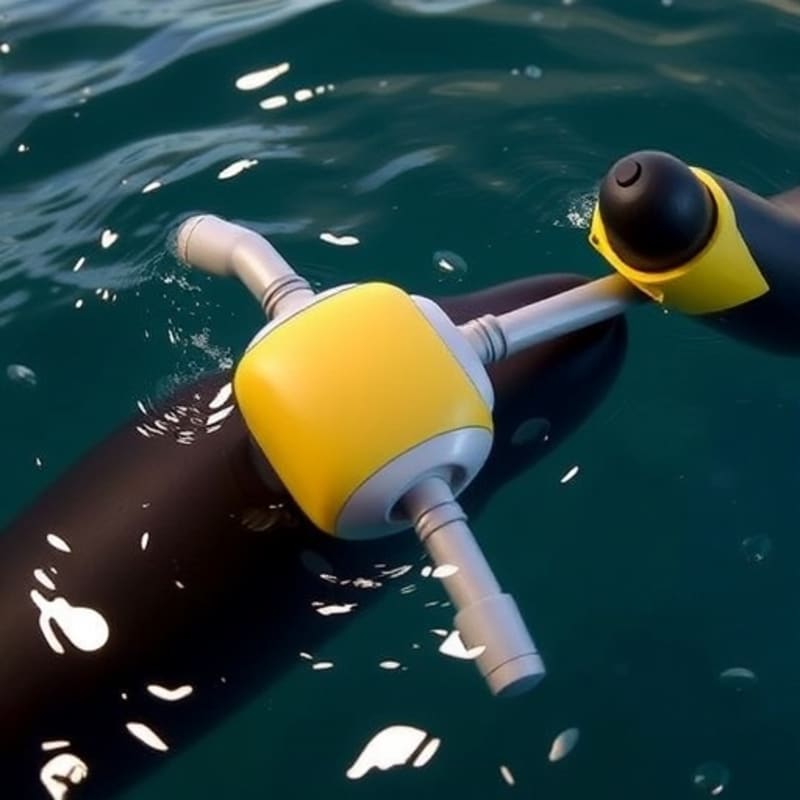
Researchers at the University of Nevada, Las Vegas developed hyper-realistic synthetic models of sea lion bodies using 3D printing and soft robotics. The models look and feel exactly like real sea lions, complete with bones, muscles, and even simulated blood flow.
The breakthrough lets veterinarians practice critical procedures like blood draws and medical interventions on artificial animals before treating real ones. Graduate researcher Daniel Fisher and his team used CT scan data from actual sea lions to create models that match every detail, from bone structure to tissue flexibility.
What makes these models truly special is how they behave. The team used smart materials that respond to touch and pressure just like living muscle tissue, giving veterinarians realistic feedback as they practice inserting needles and performing procedures.
The timing couldn't be better. Toxic algal blooms have become more common along California's coast, sickening sea lions who eat contaminated fish. Each year, hundreds of these marine mammals need emergency medical care, and veterinarians must work quickly to save them.
Why This Inspires
This innovation solves multiple problems at once. Veterinary students no longer need to practice on animal carcasses, which have always been scarce and raised ethical concerns. Instead, they can train repeatedly on identical synthetic models until they perfect their technique.
The technology also lets doctors prepare for specific cases by creating custom models based on individual animals' CT scans. This personalized approach means better outcomes and fewer complications when treating vulnerable or endangered species.
The research team is now testing how the models perform underwater, simulating the natural environment where sea lions live. These experiments could lead to better implants and medical devices designed specifically for marine animals.
Beyond wildlife care, the same technology shows promise for human medicine. The team envisions creating practice models for surgeons and developing artificial muscles for patients with neurological conditions or injuries.
Professor Kwang Kim, who leads the soft robotics research, believes this approach represents the future of medical training across species. By bridging veterinary science and human healthcare, the innovation benefits everyone.
For California's struggling sea lion populations, these synthetic training models mean veterinarians will be better prepared when the next algae bloom strikes, turning practice into real-world rescue.
More Images

Based on reporting by Google: robotics innovation
This story was written by BrightWire based on verified news reports.
Spread the positivity!
Share this good news with someone who needs it