4 Astronauts Break Apollo 13 Record on Moon Mission
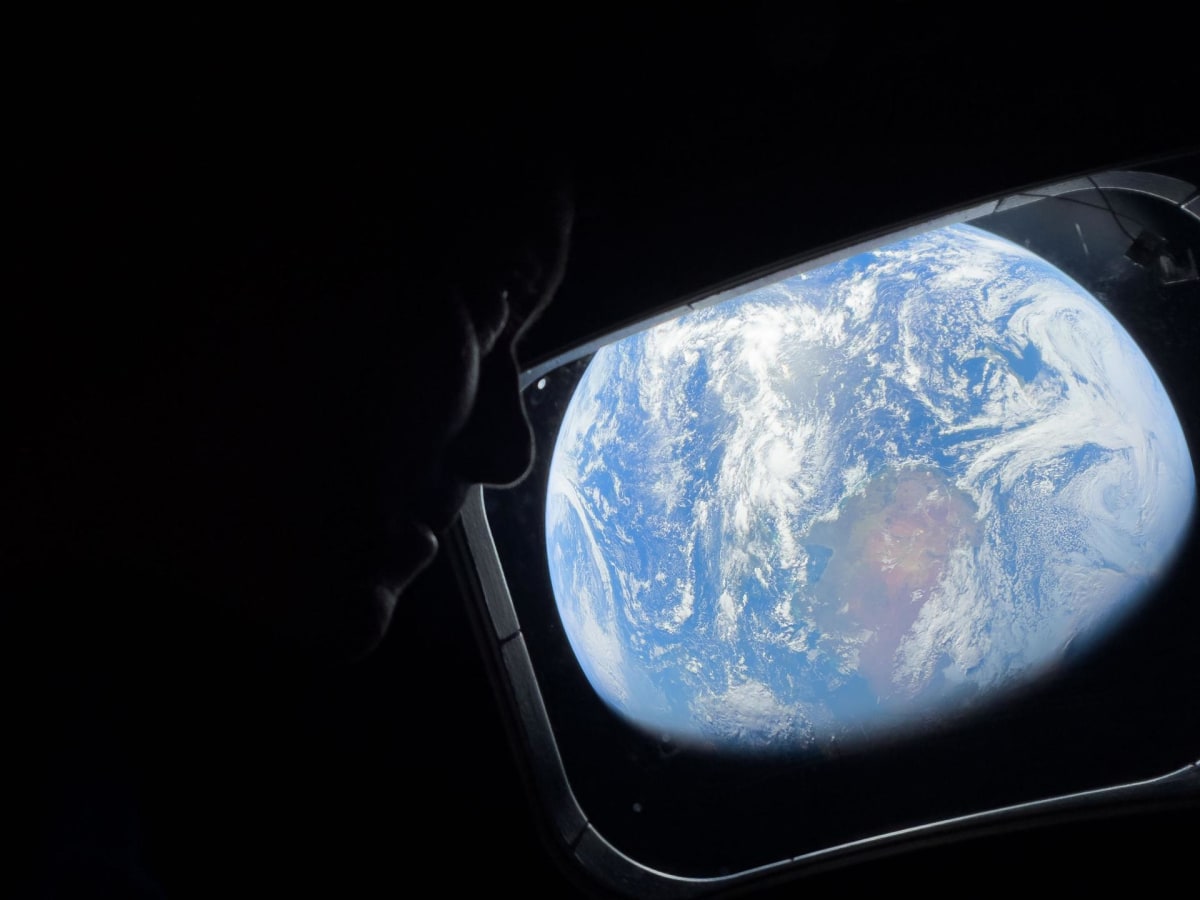
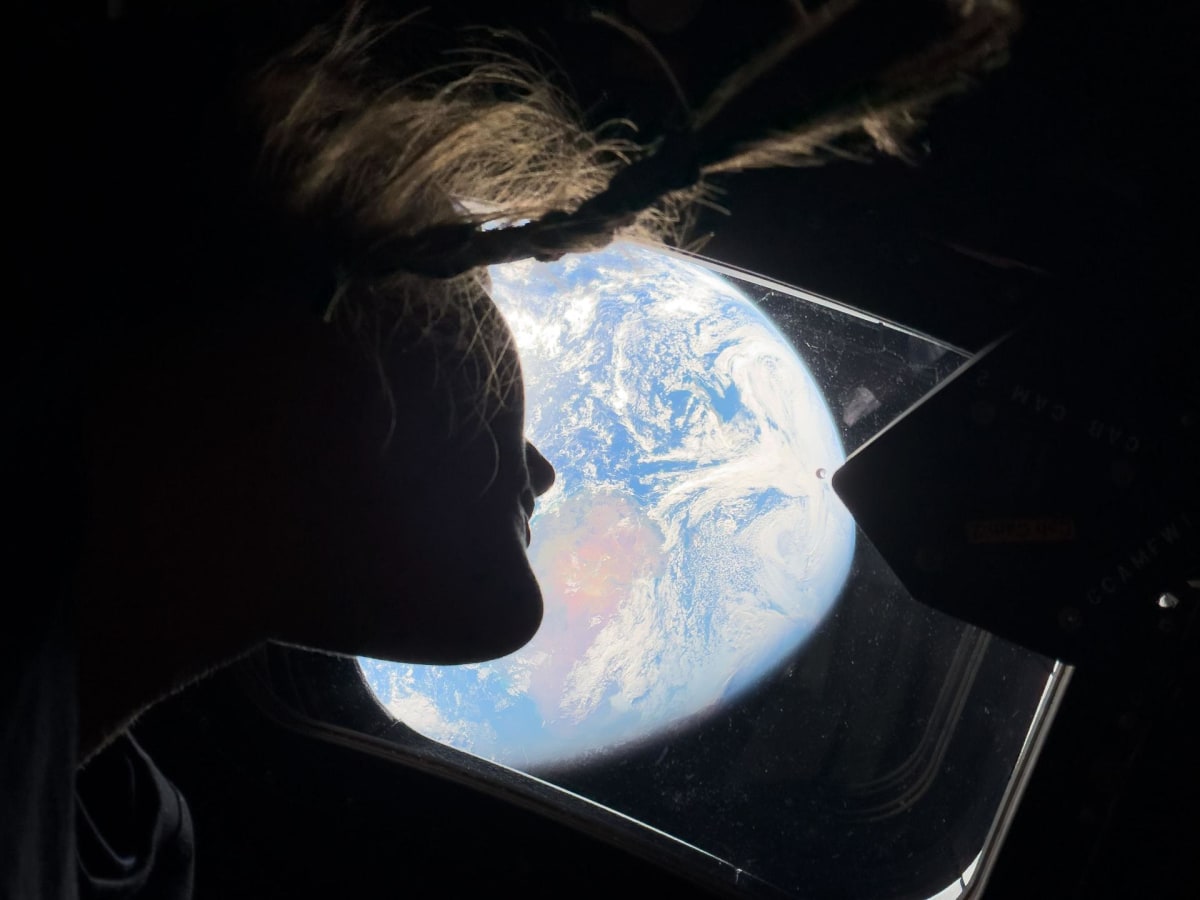
NASA's Artemis II crew just became the farthest humans from Earth in history, surpassing Apollo 13's 1970 record by over 4,000 miles. The four astronauts are testing critical systems that will help humanity return to the Moon.
Four astronauts soaring around the Moon just made history by traveling farther from home than any humans ever have.
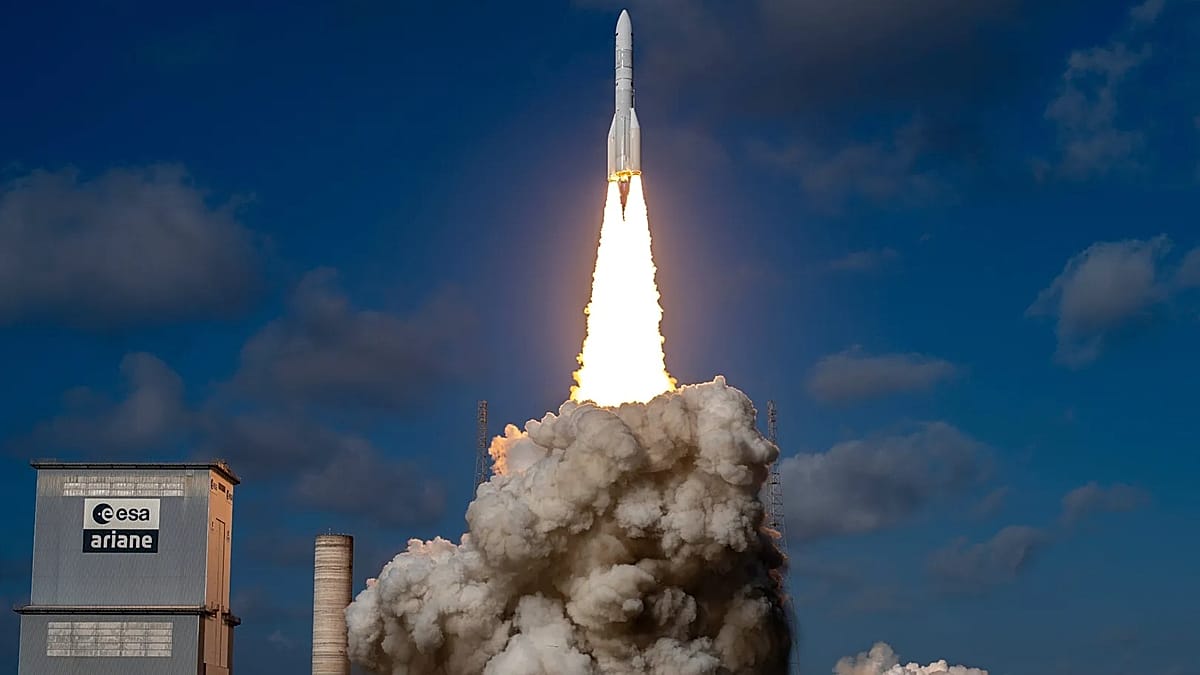
NASA astronauts Reid Wiseman, Victor Glover, Christina Koch, and Canadian Space Agency astronaut Jeremy Hansen launched from Kennedy Space Center in Florida on April 1. They're now conducting the first crewed test flight of NASA's Artemis program, designed to return people to the lunar surface for the first time in over 50 years.
On April 6, the crew reached 252,757 miles from Earth, breaking the distance record set by Apollo 13 astronauts in 1970 by about 4,102 miles. At their closest point to the Moon, they passed within 4,066 miles of the lunar surface.
The 10-day mission isn't just about breaking records. The crew is putting the Orion spacecraft through rigorous tests to make sure all systems work properly in deep space. They're checking life support, navigation, propulsion, and thermal controls while practicing manual piloting and trajectory adjustments.
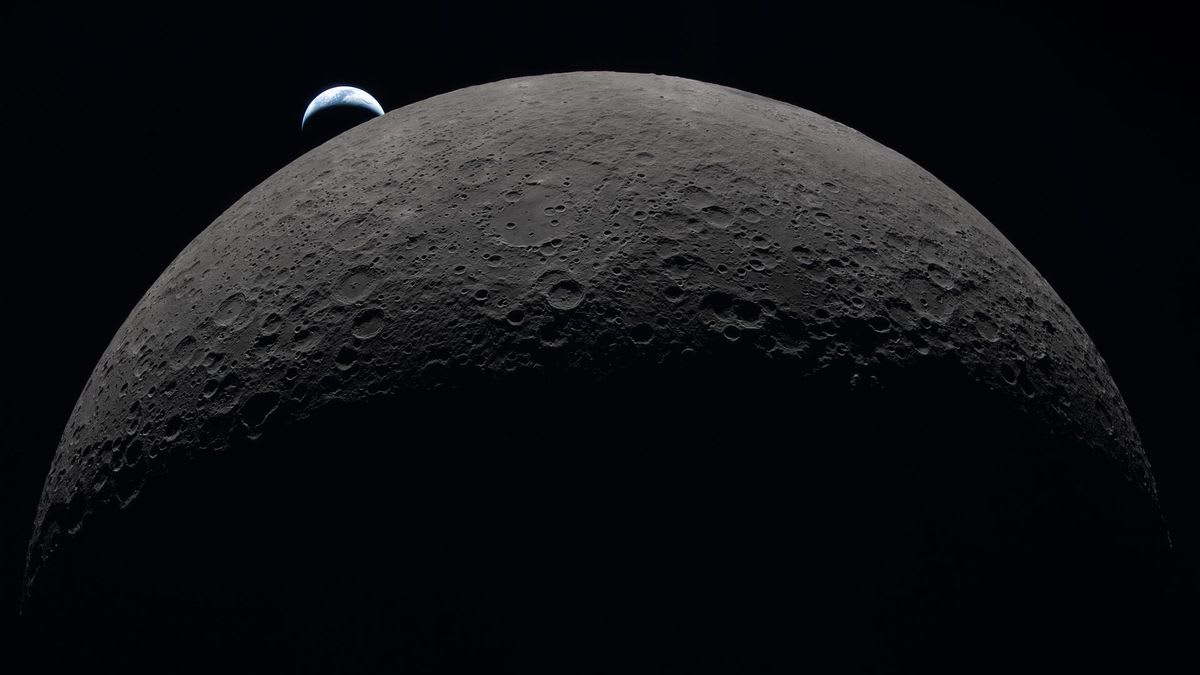
During a seven-hour lunar observation period, the astronauts saw both the near and far sides of the Moon. They may be the first humans to view parts of the Moon's far side with their own eyes. From their maximum distance, the Moon appeared about the size of a basketball held at arm's length.
The crew lost communication with Mission Control for about 40 minutes as Orion passed behind the Moon. When contact resumed, they shared observations and captured images to help plan future lunar missions.
The Ripple Effect
This mission paves the way for Artemis III, which will land the first woman and first person of color on the Moon. The data collected during this flight will inform everything from crew safety procedures to lunar surface operations.
Victor Glover's presence on this mission also makes him the first person of color to travel to the Moon. The diverse crew represents a new chapter in space exploration, one focused on inclusion and collaboration between nations.
The spacecraft will splash down off the coast of San Diego on April 10, where recovery teams will retrieve the astronauts by helicopter. After medical evaluations aboard the USS John P. Murtha, they'll return to Johnson Space Center in Houston.
Every test they complete brings humanity one step closer to establishing a sustainable presence on the Moon.
More Images
Based on reporting by NASA
This story was written by BrightWire based on verified news reports.
Spread the positivity!
Share this good news with someone who needs it