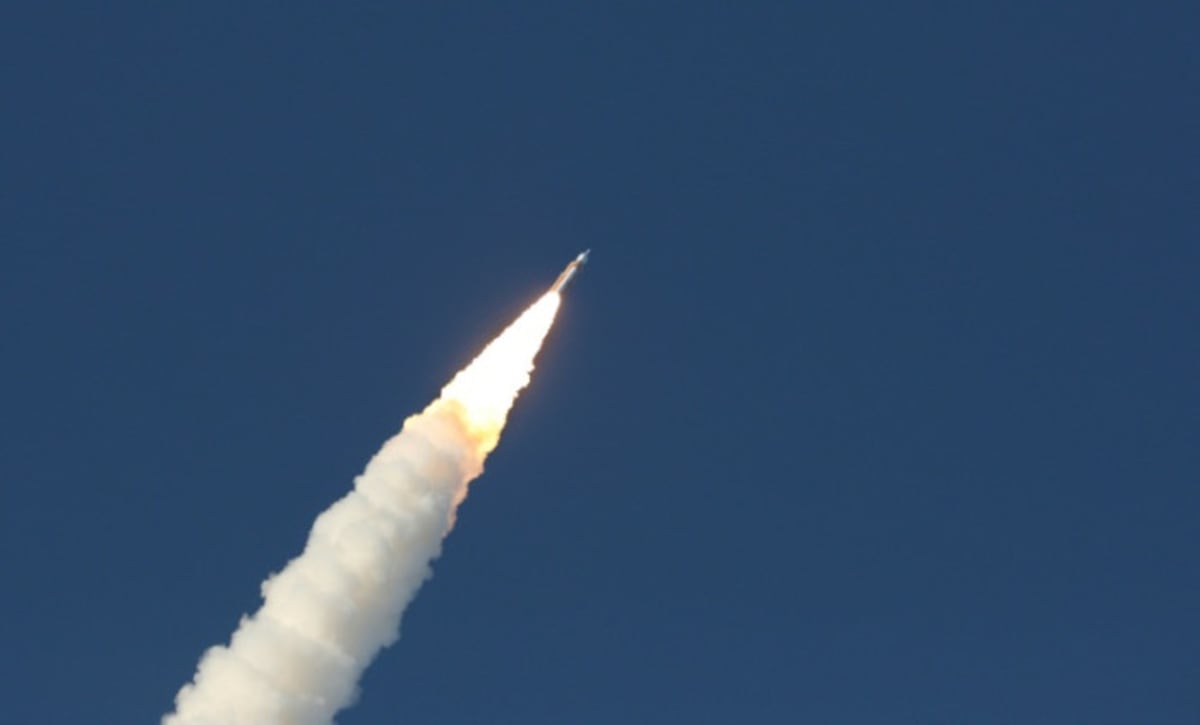
4 Astronauts Launch on First Crewed Moon Trip in 50 Years
Four astronauts blasted off Wednesday on humanity's first crewed journey around the Moon in over half a century, marking a giant leap toward establishing a permanent lunar presence. The historic Artemis II mission carries the first woman, first person of color, and first non-American toward Earth's celestial neighbor.
📺 Watch the full story above
For the first time in more than 50 years, humans are headed to the Moon.
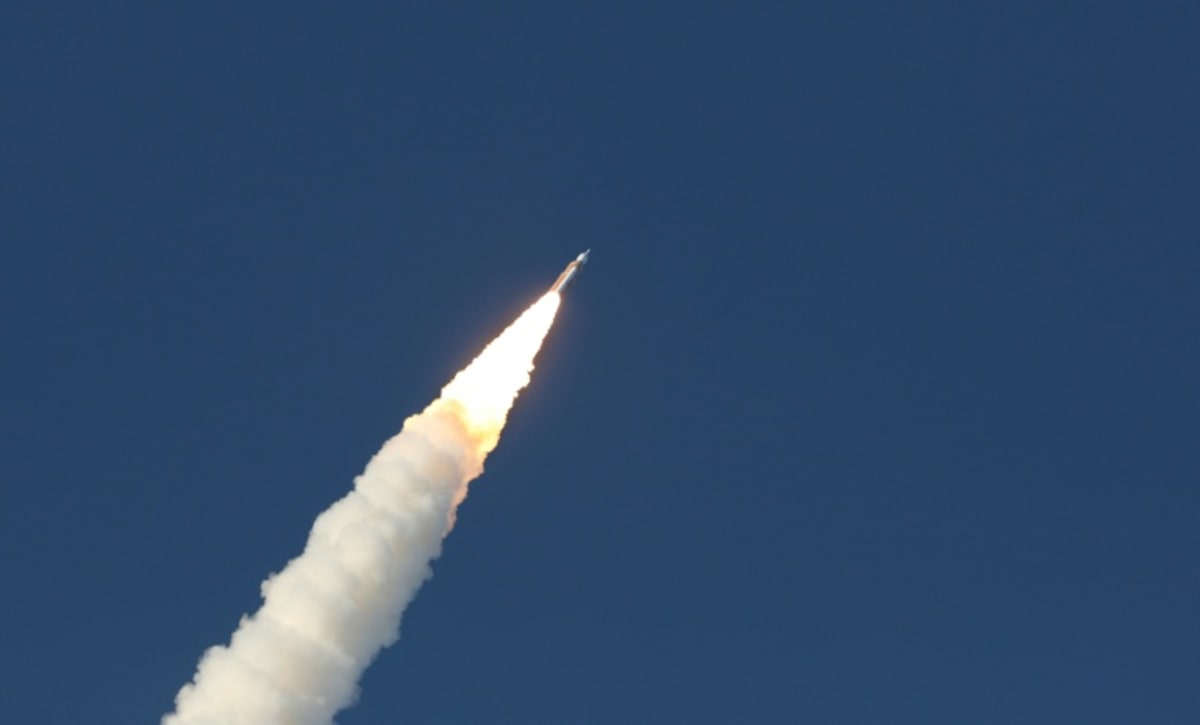
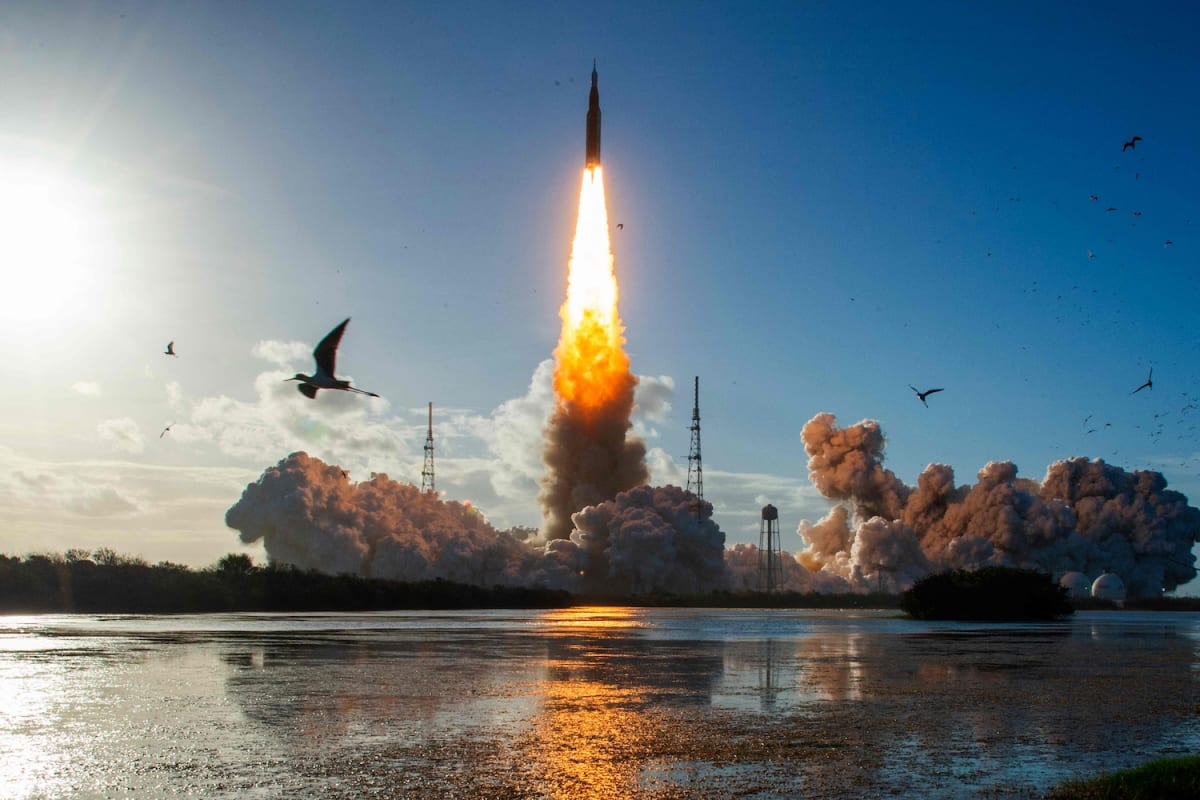
Four astronauts launched aboard NASA's massive rocket Wednesday evening from Florida's Kennedy Space Center, beginning a 10-day voyage that will take them farther from Earth than any human has ever traveled. Around 400,000 spectators gathered along Florida's Space Coast to witness the thunderous liftoff at 6:35 pm local time.
The crew includes Americans Reid Wiseman, Victor Glover, and Christina Koch, along with Canadian Jeremy Hansen. Together, they represent multiple historic firsts: the first woman, first person of color, and first non-American on a lunar mission.
"We are going for all humanity," Hansen said during final checks before launch. Launch director Charlie Blackwell-Thompson told the crew they carried "the daring spirit of the American people and our partners across the globe, and the hopes and dreams of a new generation."
The spacecraft successfully entered Earth's orbit shortly after the spectacular launch. The crew will spend time testing the new Orion spacecraft's systems and practicing manual piloting during docking simulations before venturing toward the Moon on Thursday.
The lunar loop itself will take about three days. If everything proceeds as planned, the astronauts will swing around the far side of the Moon and return home, completing their mission in approximately 10 days total.
"I'm just so happy that we're going back to the Moon, and everybody should be excited and be following the next 10 days, because this is a big step for humanity," said Sian Proctor, a scientist who attended the launch.
The Ripple Effect
This mission does more than recreate Apollo-era achievements. It paves the way for a planned Moon landing in 2028 and the eventual establishment of a permanent lunar base. That base will serve as a platform for deeper space exploration, potentially including missions to Mars.
The flight also marks the first crewed launch of NASA's Space Launch System rocket, designed specifically for repeated lunar missions. After years of delays and cost overruns, the successful liftoff proves the technology works and sets the stage for regular trips to our closest celestial neighbor.
The Artemis program represents a new era of international cooperation in space, with partners from multiple countries contributing to humanity's return to the Moon. This collaborative approach could reshape how we explore space for generations to come.
As Commander Wiseman reported shortly after launch, "We have a beautiful moonrise. We're headed right at it."
More Images


Based on reporting by Bangkok Post
This story was written by BrightWire based on verified news reports.
Spread the positivity!
Share this good news with someone who needs it