4 Dams Removed, 70,000 Salmon Return to Klamath River
After explosive demolition removed four dams from the Klamath River, nearly 70,000 salmon returned in 2025—180% more than scientists predicted. The $450 million restoration project turned a dying river into a thriving ecosystem in just two years.
When engineers blasted apart four hydroelectric dams on the Klamath River in 2024, they unleashed one of nature's most dramatic comebacks. Within days, thousands of salmon began swimming upstream to waters they hadn't reached in a century.
For over 100 years, dams built by the California Oregon Power Company had blocked more than 400 miles of the Klamath River along the California-Oregon border. The barriers choked off one of America's largest historic salmon runs, poisoned the water with toxic algae, and devastated Indigenous tribes who had depended on the river for food and culture for thousands of years.
Yurok tribal member Ashley Bowers remembered catching 300 fish in a single day as a child. By adulthood, the salmon had nearly vanished from her river.
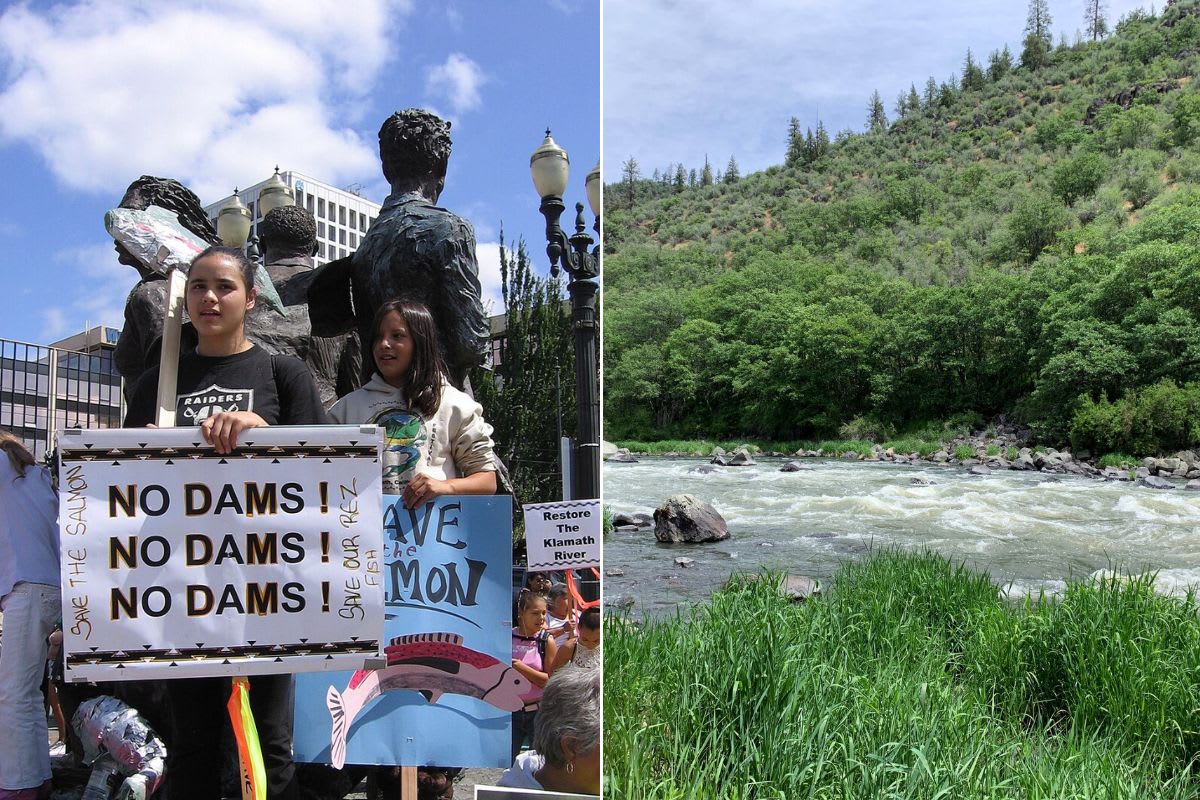
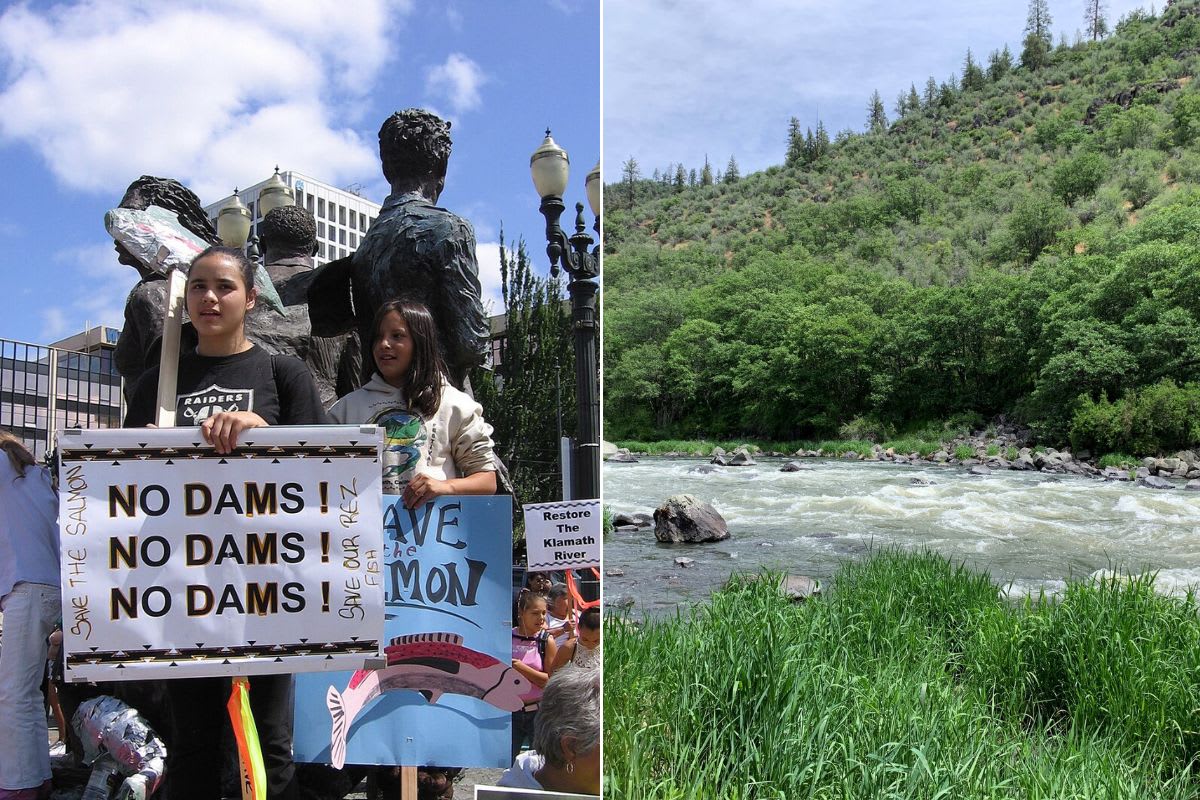
The dams barely produced energy anymore, generating just 2% of PacifiCorp's power. Upgrading them would cost more than they were worth, so Indigenous activists pushed for complete removal instead.
After years of protests and legal battles, the federal government approved the largest dam removal project in American history. Between 2023 and 2024, the Klamath River Renewal Corporation detonated all four dams using controlled explosives, hauling away debris and freeing the ancient waterway.
Scientists expected good results. What they got was stunning.
Nearly 70,000 salmon returned to the Klamath by 2025, shattering predictions by 180%. The fish swam to spawning grounds their ancestors hadn't seen since the 1920s, exploring every newly opened mile of river.
The water itself healed rapidly. Before dam removal, 58% of water samples failed safety standards. Two years later, every single sample passed.
The Ripple Effect
The river's recovery touches everything around it. Nineteen billion native seeds are being planted across 1,300 acres of former reservoir land. Birds are returning to nest along newly exposed shores.
Most remarkably, the river found its original path beneath a century of built-up sediment. Water has a memory, and the Klamath remembered exactly where it wanted to flow.
This success story is sparking similar projects worldwide as communities realize old dams often create more problems than they solve. Flowing rivers stay cooler during heat waves, handle floods better, and support healthier ecosystems than dammed ones do.
The Klamath proves that sometimes the best solution is removing what never should have been built in the first place.
More Images



Based on reporting by Upworthy
This story was written by BrightWire based on verified news reports.
Spread the positivity!
Share this good news with someone who needs it