4 in 10 Cancers Can Be Prevented, New Study Shows
Scientists have confirmed that nearly 40% of all cancers could be prevented through simple lifestyle changes and vaccines. The groundbreaking global study offers concrete hope for reducing cancer rates worldwide.
Nearly 4 in 10 cancer cases could be prevented before they start, according to a major new study that analyzed data from 185 countries.
Researchers at the International Agency on Research on Cancer discovered that 7.1 million of the 18.7 million new cancer cases in 2022 were linked to preventable risk factors. That means 37.8% of cancers could potentially be avoided through lifestyle changes and existing medical interventions.
The study, published in Nature Medicine, examined 36 types of cancer and 30 modifiable risk factors. These included tobacco and alcohol use, infections like HPV and hepatitis B, high body mass, air pollution, and insufficient physical activity.
"We now have the information to prevent cancer before it starts," said Isabelle Soerjomataram, a cancer surveillance specialist who led the research. The findings reveal important differences between men and women, and across different regions of the world.
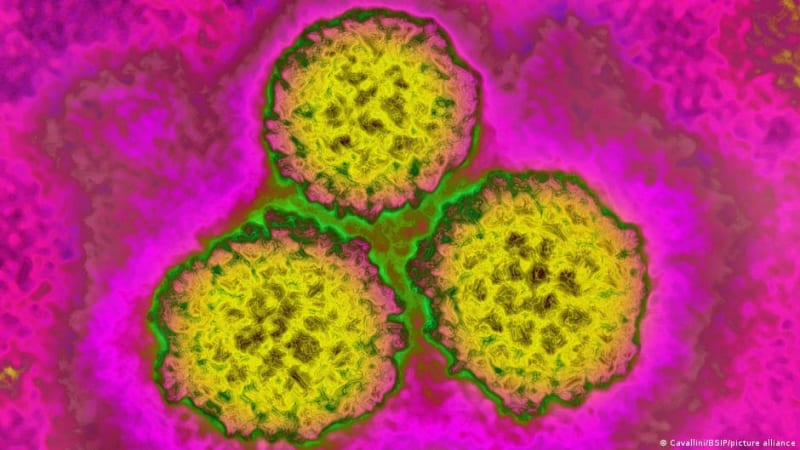
For women, infections caused the highest number of preventable cancers, totaling 2.7 million cases. HPV-related cancers, especially cervical cancer, accounted for the largest share despite highly effective vaccines being available.
The news gets even better in countries with strong vaccination programs. In Australia, cervical cancer has nearly been eradicated, with only 5 cases per 100,000 people. That shows what's possible when prevention measures reach everyone who needs them.
For men, behavioral factors like smoking tobacco caused the most preventable cancers at 4.3 million cases. Lung cancer affected nearly three times as many men as women, though both groups faced similar exposure to tobacco, air pollution, and workplace toxins.
The Bright Side
This research isn't just about numbers. It's a roadmap for saving millions of lives through actions we can take today.
HPV vaccines are already proving incredibly effective where they're widely available. Better access to these vaccines in Latin America and Sub-Saharan Africa could prevent tens of thousands of cervical cancer deaths annually.
Maria Paula Curado, a leading cancer epidemiologist in Brazil, noted that vaccine coverage is improving as awareness grows. Some regions have already reached 67% coverage and are climbing toward the ideal 80%.
Even with cancer cases predicted to rise by 50% by 2045 due to aging populations, this study proves that many of those cases don't have to happen. Targeted prevention strategies based on regional needs could dramatically reduce the burden.
Cancer prevention specialist Suzette Delaloge called the study "a pivotal contribution to shaping a global, data-informed approach to cancer prevention." The research shows exactly where to focus resources for maximum impact.
The path forward is clearer than ever: vaccines work, lifestyle changes matter, and millions of future cancer cases can be prevented with the tools we already have.
Based on reporting by DW News
This story was written by BrightWire based on verified news reports.
Spread the positivity!
Share this good news with someone who needs it