4 Indian Communities Beat Water Scarcity Without Tankers
Across India, villages and cities once desperate for water are now thriving after local communities decided to solve the crisis themselves. From Marathwada to Varanasi, these four stories show how simple, collective action brought water back to millions.
In Bansawargaon, summer used to mean one thing: waiting for water tankers and watching neighbors fight over what little arrived. The Marathwada village had hit a breaking point where every single day revolved around scarcity.
Then the villagers made a decision. They stopped waiting for help and started treating water as their first and most urgent problem to solve together.
They widened canals, repaired bunds, launched recharge projects, and began tracking every drop more carefully. The work was slow and required everyone's commitment, but it worked. Today, Bansawargaon is tanker-free, groundwater levels have risen, and farming has come back to life.
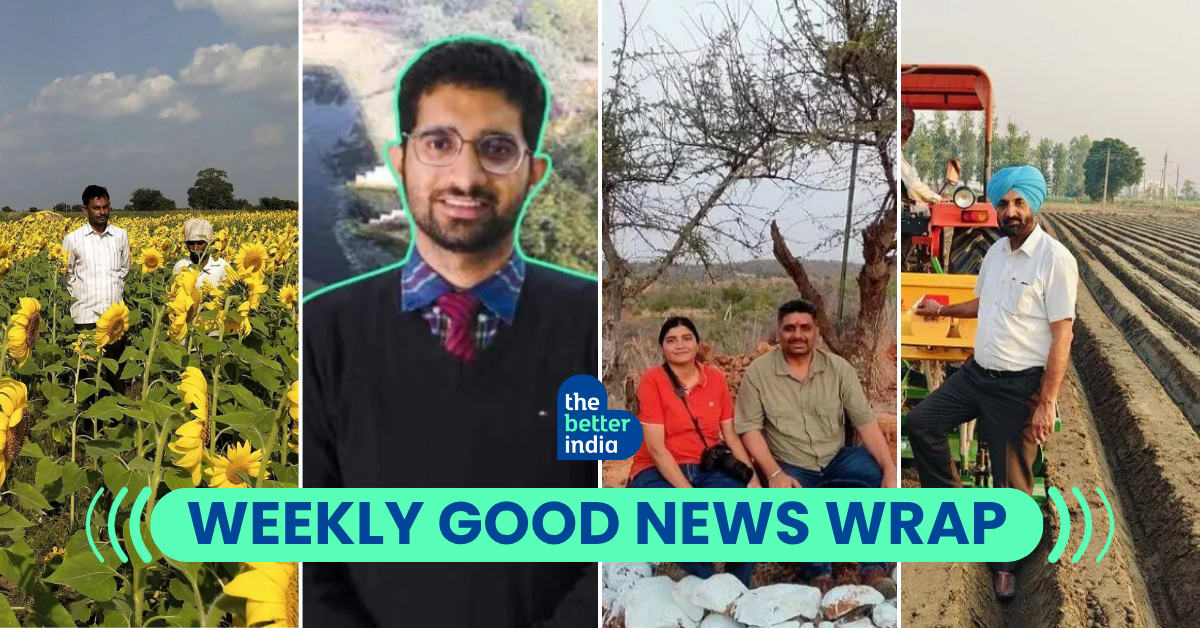
Meanwhile in Varanasi, IAS officer Himanshu Nagpal noticed something simple: the city kept extracting groundwater but never gave any back. His solution was equally straightforward. Turn public buildings into water recharge points through rooftop rainwater harvesting systems.
Schools, hospitals, colleges, and government offices became part of a citywide effort to restore what had been lost. Around 1,000 public buildings across the district now harvest rain, and groundwater levels in areas like Pindra block have begun recovering.
In Anantapur, one of Andhra Pradesh's driest regions, IFS officer Vineet Kumar and conservationist Rupak Yadav took on an even bigger challenge. Working with more than 400 villagers, they revived 11 dead water bodies that had been abandoned for years.
Through the Ananta Neru Sanrakshanam project, they transformed neglected land and old dumpsites into spaces capable of holding water again. The work addressed siltation, damaged soil, and decades of ecological neglect while also supporting local livelihoods and bringing back biodiversity.
The Ripple Effect
Punjab faces a different kind of water crisis: too much paddy cultivation draining groundwater faster than it can replenish. Retired IAS officer Kahan Singh Pannu decided to prove there's another way.
Through a technique called Seeding of Rice on Beds, he's shown that farmers can grow paddy using just 25 percent of the water traditionally required. In a state where irrigation puts crushing pressure on underground reserves, this isn't just innovative—it's necessary.
What ties these stories together isn't grand government programs or outside funding. It's people looking at their own communities and deciding that water scarcity doesn't have to be permanent. They saw dry wells and shrinking ponds not as fate, but as problems with local solutions.
From village committees in Marathwada to government officers rethinking their approach to conservation farmers in Punjab, the pattern is the same: water returns when people decide it must.
More Images
%2Fenglish-betterindia%2Fmedia%2Fmedia_files%2F2026%2F03%2F22%2Ffeatured-img-3-2026-03-22-12-28-29.png)
%2Ffilters%3Aformat(webp)%2Fenglish-betterindia%2Fmedia%2Fmedia_files%2F2026%2F03%2F22%2Ftbi-featured-image-24-2026-02-13-15-34-24-1-2026-03-22-12-29-14.webp)
%2Fenglish-betterindia%2Fmedia%2Fpost_attachments%2Fuploads%2F2023%2F01%2Fgracy-elezebeth-1673260788.jpg)
Based on reporting by The Better India
This story was written by BrightWire based on verified news reports.
Spread the positivity!
Share this good news with someone who needs it