4 Indians Revived Rivers and Ponds Before Monsoon Rains
As water tankers lined up in Delhi, four Indians across Varanasi, Vidarbha, Ujjain, and Karnataka spent months preparing for the monsoon by reviving forgotten water bodies. Their work will help millions of raindrops find a home underground.
While headlines tracked Delhi's water crisis and tanker queues, four people in four corners of India were doing something different. They were making sure the coming monsoon rains wouldn't just fall and disappear.
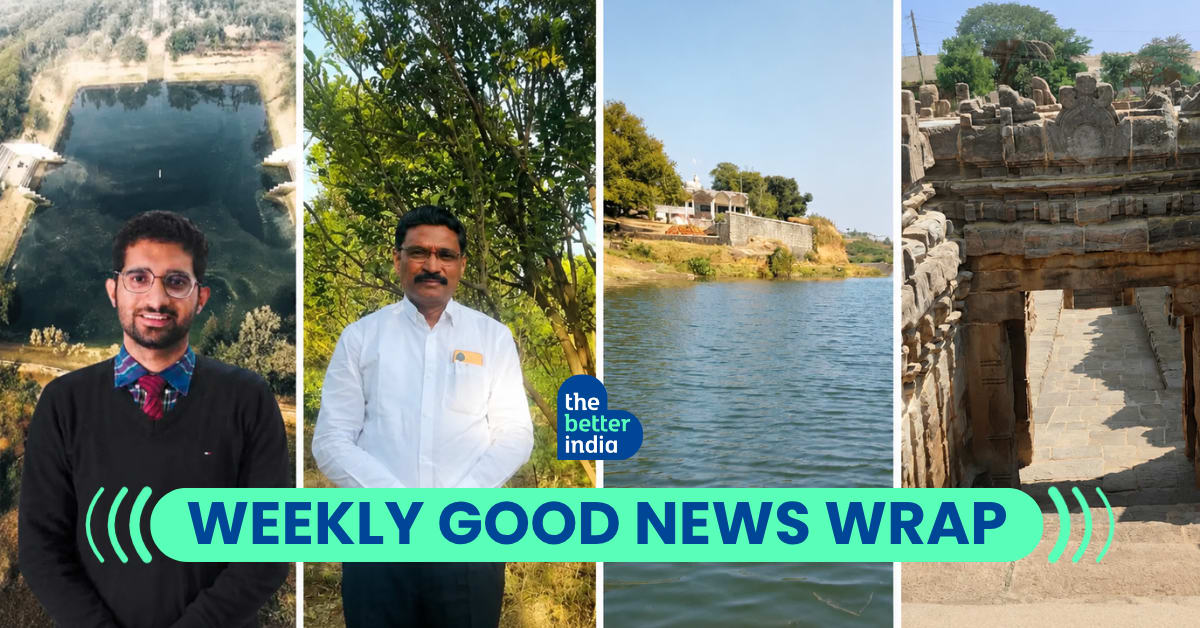
In Varanasi, IAS officer Himanshu Nagpal faced a problem. Companies were drilling 700 new borewells every year, but nothing was going back into the ground.
His solution was simple but bold. He let companies meet their rainwater harvesting requirements on public buildings instead of claiming they had no space.
Over 1,000 schools, colleges, and hospitals became recharge points. His team built 393 ponds and redesigned 6,000 handpumps to push water underground instead of letting it run off.
A polluted 30-kilometer river came back to life. Thirty-nine villages got their water back without a single new technology, just smarter thinking about where rain should go.
Meanwhile in Vidarbha, citrus farmer Amol Langote was building his own answer to drought. Since 2018, he's been constructing two to four check dams every year on the Purna River using his own money.
When fungal disease slashed his farm income from 35 lakh rupees to just 8 lakh, he didn't stop. He canceled cultural celebrations and used that money for check dams instead, spending 50,000 to 60,000 rupees at a time.
His dams slow the river down, giving water time to seep into the aquifer below. Six villages around the site now have more stable water than they've seen in years.
In Karnataka's Gadag district, the Deccan Heritage Foundation uncovered something remarkable. Nagakunda, an 11th-century stepwell built under the Kalyani Chalukyas, had been buried under roots and rubble for decades.
They cleared the debris, reset ancient sandstone stairs, and restored percolation channels. When the monsoon arrives this year, Nagakunda will do exactly what it was designed to do a thousand years ago: catch rain and send it underground.
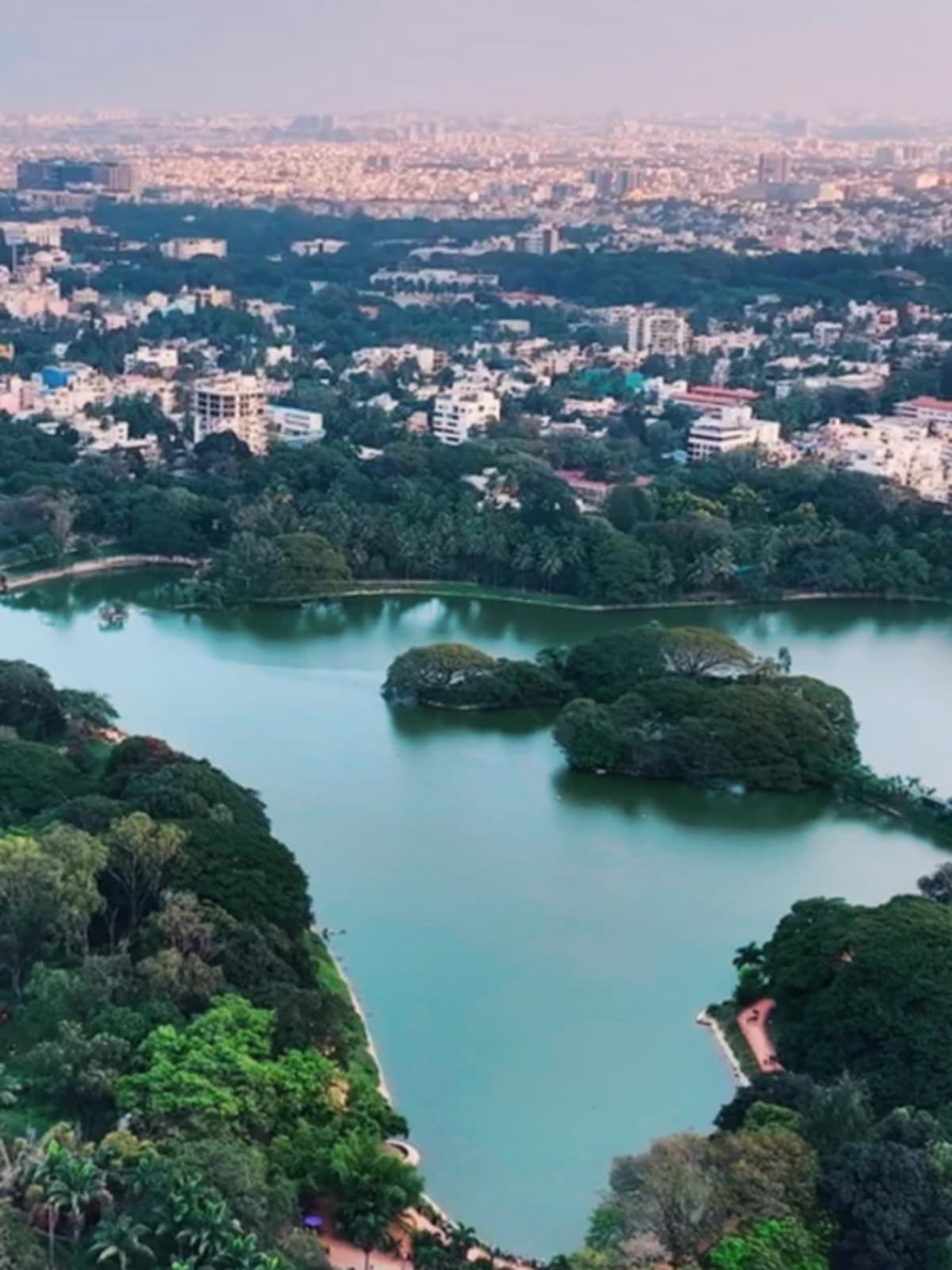
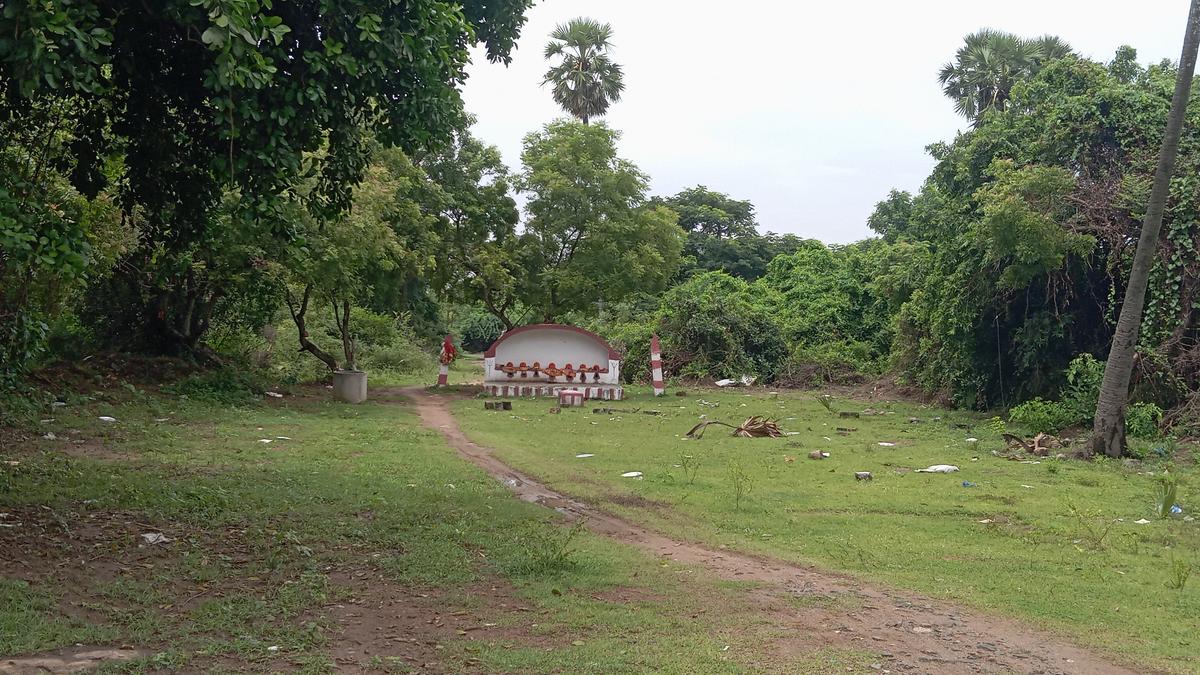
In Ujjain, IAS officer Anshul Gupta looked at the silting Yam Talaiya pond and saw potential. This 4.2-acre pond had served a temple, a deity, and neighborhood farmers for generations.
Instead of waiting for government funds, he brought in the Environmentalist Foundation of India and 125 volunteers. Eight months of desilting and bund-reinforcing later, the pond can now hold an additional 22.8 million liters of water.
Wildlife returned. The temple got its pond back, and farmers got their water source restored.
The Ripple Effect
These four stories share something powerful. Each person looked at forgotten infrastructure—ancient or modern—and saw not just history, but hope.
Together, they've created capacity for billions of liters of water to recharge aquifers instead of running off into drains. Their work will serve communities for generations, turning brief monsoon rains into year-round groundwater.
The monsoon will arrive any day now, and when it does, millions of raindrops will have somewhere to go.
More Images
%2Fenglish-betterindia%2Fmedia%2Fmedia_files%2F2026%2F05%2F30%2Ffeatured-img-2026-05-30-14-52-44.png)
%2Fenglish-betterindia%2Fmedia%2Fpost_attachments%2Fuploads%2F2023%2F04%2Fgreenhouse-1682430093.jpg)
%2Fenglish-betterindia%2Fmedia%2Fmedia_files%2F2026%2F05%2F27%2Fkabadiwala-2026-05-27-18-20-23.png)
Based on reporting by The Better India
This story was written by BrightWire based on verified news reports.
Spread the positivity!
Share this good news with someone who needs it