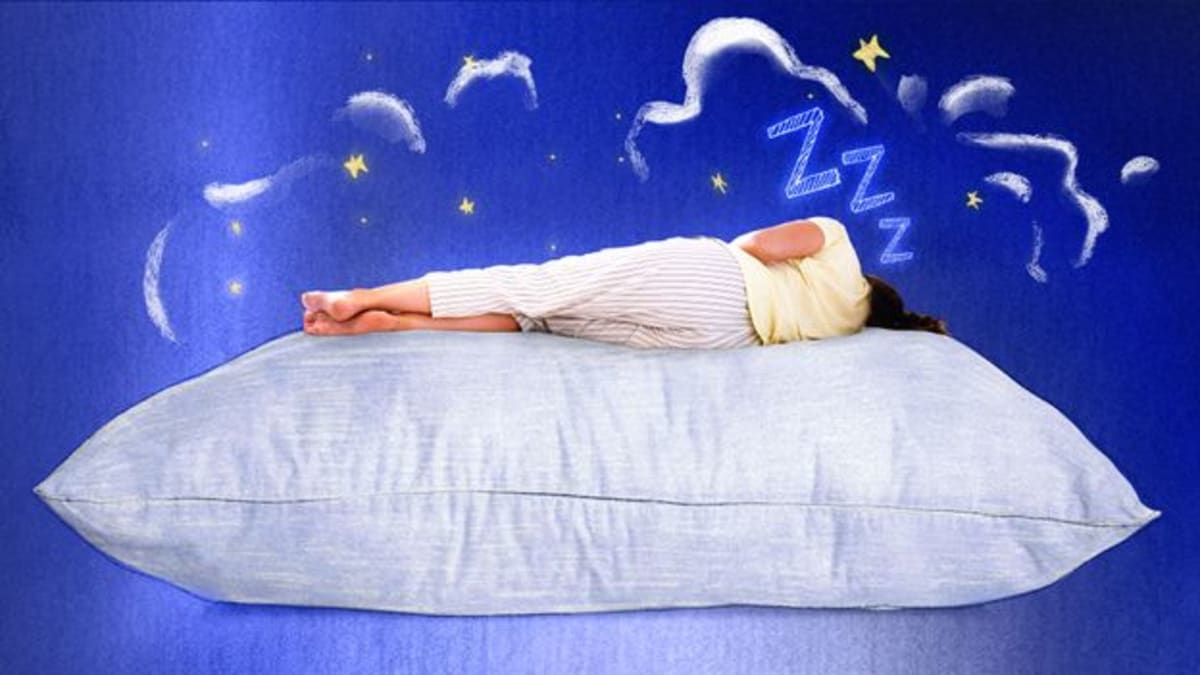
4 Screen-Free Ways to Actually Unwind After Work
Scrolling to relax might be making you more stressed, research shows. Scientists found simple screen-free activities help your brain truly recover from daily overload.
Your brain needs real rest, and your phone isn't giving it that.
A public health professor discovered something surprising during her medically prescribed screen break. After suffering a concussion, she spent two months without television, email, social media, or texting. The results shocked her: better sleep, longer attention span, and a sense of mental quiet she hadn't felt in years.
Her experience reflects what neuroscience has known for decades. When you reduce cognitive and emotional stimulation, your brain's regulatory systems can finally recover from overload and chronic stress.
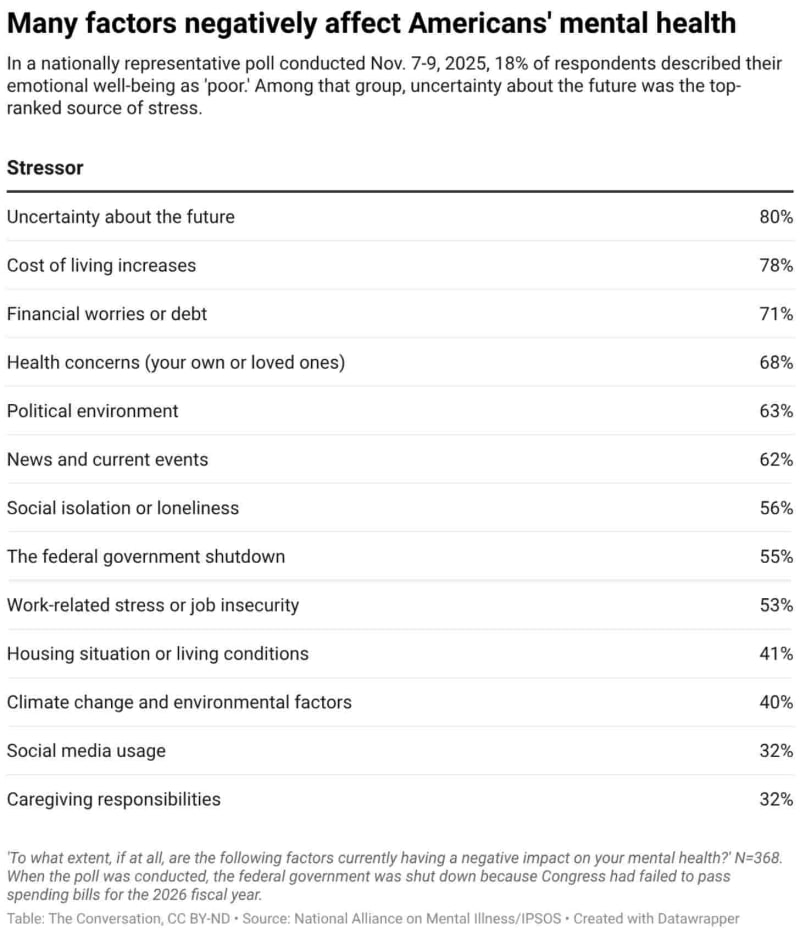
The timing matters more than ever. Americans' self-rated mental health hit its lowest point since tracking began in 2001. Roughly one-third of adults report feeling overwhelmed most days, with sleep disruption, anxiety, and poor concentration becoming widespread.
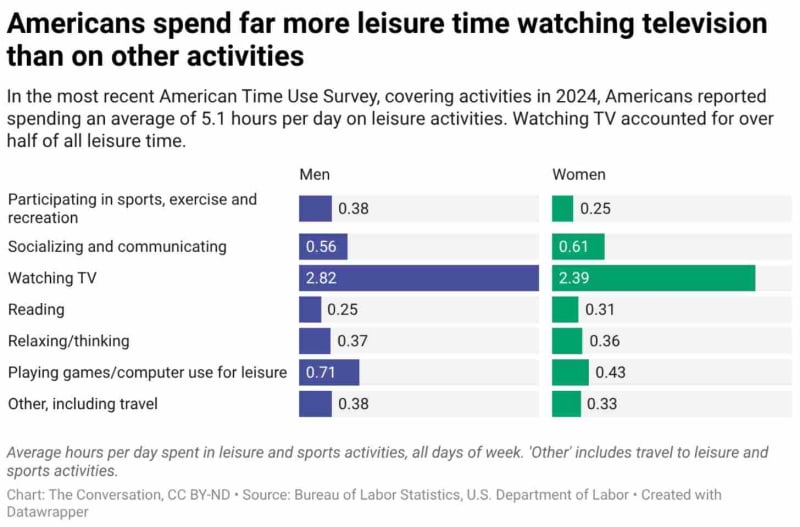
Here's the problem: most people think they're resting when they're not. Americans spend more leisure time watching TV than exercising, seeing friends, or practicing activities like yoga combined. Many now add several hours of daily phone use on top of that, checking devices roughly 200 times per day.
Modern screens work differently than the TV shows and radio programs of the past. Digital platforms continuously demand split attention, emotional engagement, and rapid decisions. Algorithms prioritize content that triggers anger, anxiety, and outrage because these emotions drive clicks and sharing.
When you collapse on the couch to scroll after a hard day, you're asking your exhausted brain to process multiple streams of sensory input. That's not rest. It's just different work.
Why This Inspires
The concussion recovery revealed a path anyone can follow, even without going fully screen-free. The underlying principle works at any scale: reducing cognitive stimulation lets your brain actually recover.
Research shows four activities genuinely restore mental energy. Moving your body, even gently, helps regulate stress hormones. Spending time with people face-to-face activates different neural pathways than digital interaction. Getting outside exposes you to natural patterns that require less focused attention. Practicing simple breathing or meditation gives your decision-making systems a break.
None of these require special equipment, subscriptions, or expertise. They just require recognizing that true rest means giving your brain less to process, not different things to process.
The irony is clear: Americans invest billions in wellness products while their mental health declines. But the most restorative practices cost nothing and take no special skills.
Your exhausted brain has been trying to rest all along; it just needs you to actually let it.
More Images

Based on reporting by Good Good Good
This story was written by BrightWire based on verified news reports.
Spread the positivity!
Share this good news with someone who needs it

.jpg)