400-Million-Year-Old Fossil Reveals How Teeth Evolved
Scientists in the Arctic discovered a fossil that rewrites the story of how teeth first appeared in animals with jaws. The find shows teeth grew in surprising patterns 400 million years ago, revealing a crucial step in evolution that helped our ancestors explore new foods and thrive.
A tiny fossil found frozen in the Canadian Arctic is changing everything scientists thought they knew about how teeth came to be.
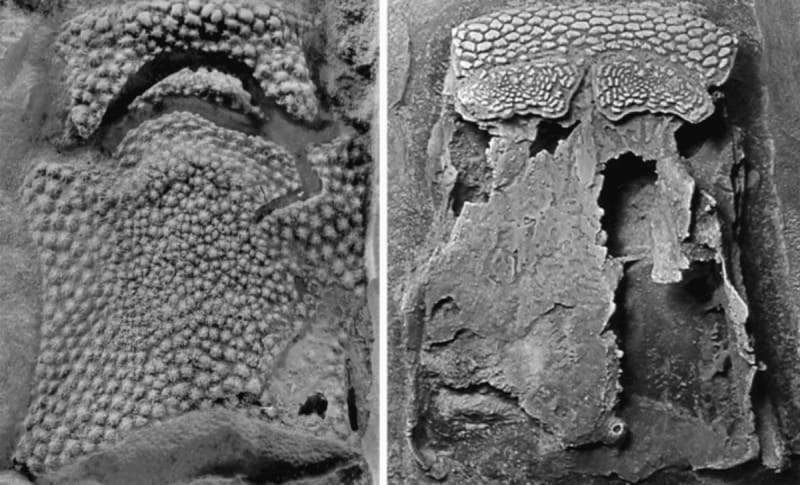
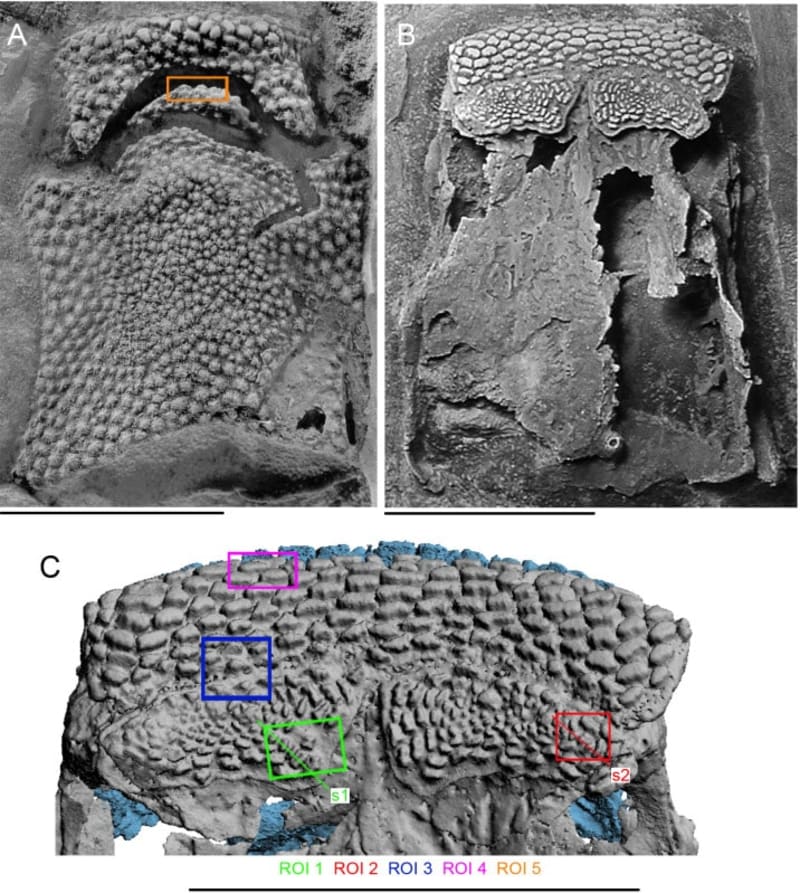
Researchers at the Royal Belgian Institute of Natural Sciences uncovered skull fragments of Romundina gagnieri on Prince of Wales Island, where ancient seabeds now sit high above sea level. The 400-million-year-old fish fossil reveals something remarkable: teeth growing on bony plates inside the roof of its mouth, not along jaw edges like modern fish.
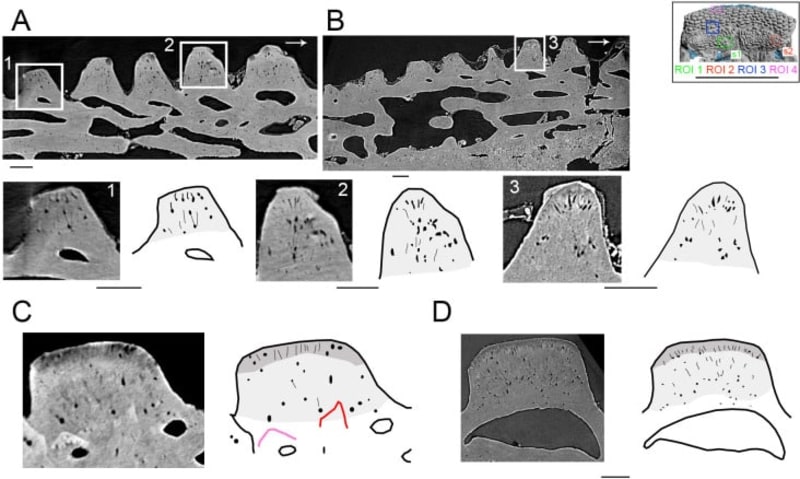
Dr. Sebastien Olive and his team used powerful synchrotron imaging to peer inside the delicate fossil without breaking it apart. The high-resolution X-ray scans revealed teeth forming in circular patterns, with older teeth at the center and newer ones growing outward toward the rim.
This discovery flips old assumptions on their head. Scientists previously believed teeth in early jawed fish only formed at the back of the mouth and moved forward. The Romundina fossil proves early vertebrates had far more flexibility in tooth development than anyone imagined.
The timing matters too. This fossil comes from a pivotal moment when the first jawed fishes were emerging, marking one of evolution's biggest leaps forward.
Why This Inspires
The evolution of teeth wasn't just about having a better smile. It represented a transformative moment that opened up entirely new possibilities for life on Earth.
Before teeth, early fish could only filter feed or use suction to catch food. Teeth gave them the power to grip, slice, and crush, allowing them to eat things their ancestors never could. "This allowed our distant ancestors to exploit new food sources and occupy new ecological resources," Dr. Olive explained.
That single evolutionary innovation helped jawed vertebrates survive dramatic environmental changes and spread into countless ecological niches. It's a reminder that sometimes one small adaptation can unlock enormous potential.
The synchrotron technology itself offers hope for future discoveries. By examining fossils without damaging them, scientists can revisit old specimens with fresh eyes and new questions. Who knows what other evolutionary secrets are waiting to be revealed in museum collections around the world?
This ancient fish is teaching us that evolution is more creative and flexible than we give it credit for.
More Images

Based on reporting by Google: fossil discovery
This story was written by BrightWire based on verified news reports.
Spread the positivity!
Share this good news with someone who needs it