%2Fhttps%3A%2F%2Ftf-cmsv2-smithsonianmag-media.s3.amazonaws.com%2Ffiler_public%2F4b%2F0b%2F4b0b4057-b31b-44e7-a9c3-d6941c0370f7%2F651886194_18344737438242014_8401832748140664513_n.jpg)
400-Year-Old Coin Solves Chilean Colony Mystery
A silver coin discovered beneath a church foundation in Chile has pinpointed the exact location of a 16th-century Spanish settlement that historians have studied for centuries. The find connects written records to physical proof, helping archaeologists map where hundreds of settlers once lived.
Archaeologists in Chile just confirmed the exact location of a 400-year-old Spanish colony by finding a single silver coin buried beneath a church foundation.
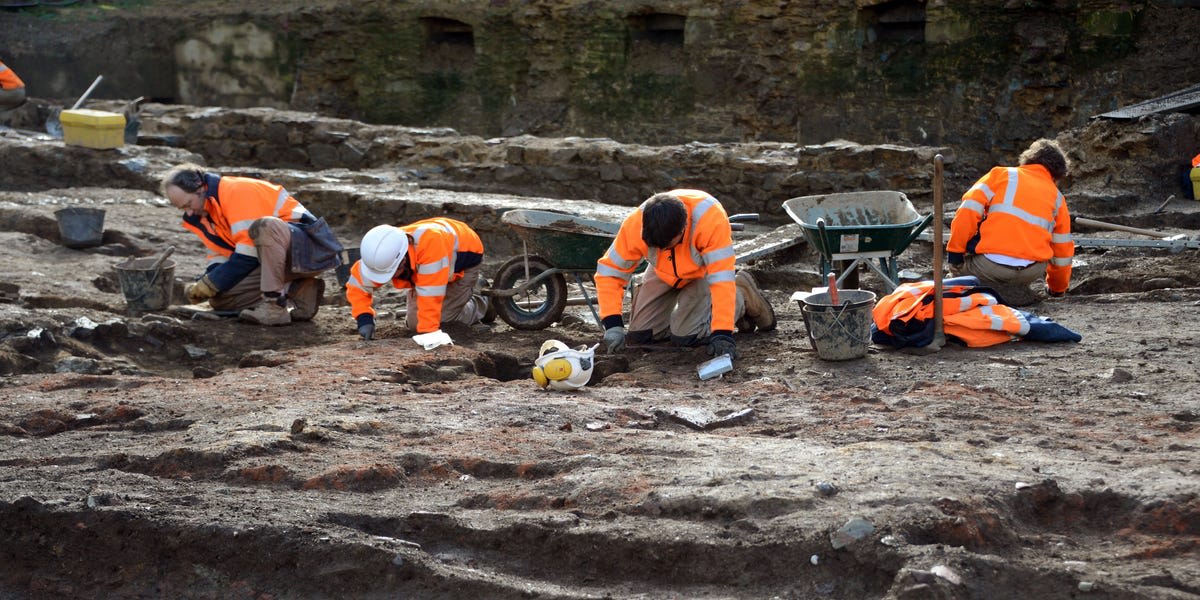
The discovery happened in March when researcher Soledad González Díaz and her team were excavating near Chile's Strait of Magellan. Using metal detectors and careful geolocation mapping, they found a Spanish piece of eight coin resting on a foundation stone, exactly where historical records said Spanish navigator Pedro Sarmiento de Gamboa held a founding ceremony in 1584.
The coin bears the insignia of King Philip II of Spain. It marks the spot where settlers established Ciudad del Rey Don Felipe, a colony meant to protect the valuable shipping route connecting the Atlantic and Pacific oceans.
Spain had big plans for the strait after learning that British explorer Francis Drake had used the passage to raid South American settlements. The king sent two dozen ships to fortify both sides of the waterway, but only a handful reached their destination.
The few hundred settlers who made it faced brutal conditions in southern Chile. Within years, most had died from starvation, harsh weather, and disease, earning the settlement its grim nickname: Puerto del Hambre, or Port Famine.
"This discovery provides a rare and powerful point of convergence between written sources and archaeological evidence," González Díaz explained. Now that researchers know the church's exact location, they can map where other structures once stood.
The team deliberately used noninvasive technology to preserve as much of the site as possible. They gathered extensive data before breaking ground, ensuring they disturbed only what was necessary.
Why This Inspires
This discovery shows how modern technology and patient detective work can bring lost history back to life. The research team honored the settlers' story by approaching their work with care and precision, treating every potential find as sacred.
Their methods prove that rushing isn't necessary when you have the right tools. By combining metal detection, geolocation, and historical records, they pinpointed a coin no bigger than a quarter buried for four centuries.
The piece of eight itself represents something remarkable: it was the world's first global currency, traveling in pockets from the Americas to Asia and Europe. Finding one in such a significant spot connects Chile to a much larger story of human exploration and connection.
Now the team plans to continue mapping the settlement, helping us understand not just where these settlers lived, but how they spent their final days.
Every discovery adds another piece to the puzzle of our shared human past.
More Images
%2Fhttps%3A%2F%2Ftf-cmsv2-smithsonianmag-media.s3.amazonaws.com%2Ffiler_public%2F4b%2F0b%2F4b0b4057-b31b-44e7-a9c3-d6941c0370f7%2F651886194_18344737438242014_8401832748140664513_n.jpg)
%3Afocal(675x540%3A676x541)%2Fhttps%3A%2F%2Ftf-cmsv2-smithsonianmag-media.s3.amazonaws.com%2Ffiler_public%2F4b%2F0b%2F4b0b4057-b31b-44e7-a9c3-d6941c0370f7%2F651886194_18344737438242014_8401832748140664513_n.jpg)
%2Fhttps%3A%2F%2Ftf-cmsv2-smithsonianmag-media.s3.amazonaws.com%2Ffiler_public%2Fd7%2F64%2Fd7642dd9-3598-44ba-8535-0fa2ec959e58%2Fstrait_of_magellan.jpeg)
%2Fhttps%3A%2F%2Ftf-cmsv2-smithsonianmag-media.s3.amazonaws.com%2Faccounts%2Fheadshot%2FMicheleDebczak.png)
Based on reporting by Smithsonian
This story was written by BrightWire based on verified news reports.
Spread the positivity!
Share this good news with someone who needs it