40,000 Baby Corals Transplanted to Great Barrier Reef
Scientists and tourism operators just planted 40,000 hand-raised baby corals onto the Great Barrier Reef in the largest restoration effort ever tested. The breakthrough project combines land-grown coral and wild spawn collection to help one of Earth's natural wonders bounce back.
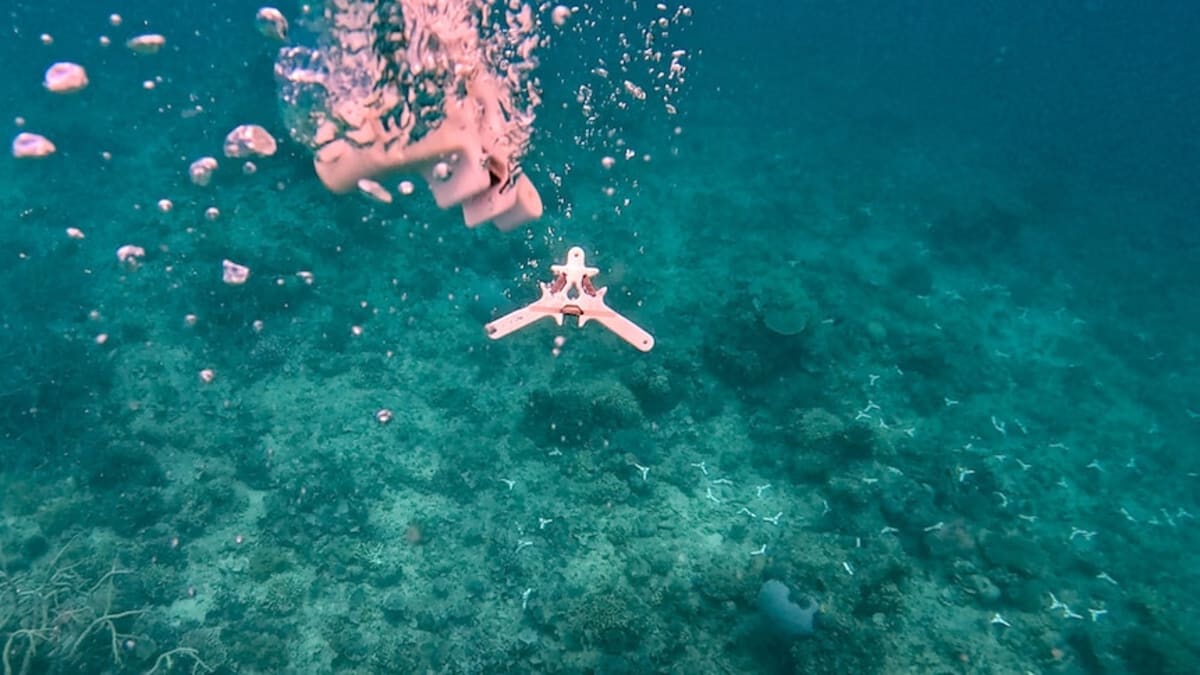
Imagine growing thousands of tiny corals like seedlings in a greenhouse, then watching them sink gently to the ocean floor where they'll grow into a thriving reef ecosystem. That's exactly what scientists in Australia just accomplished on the largest scale ever attempted.
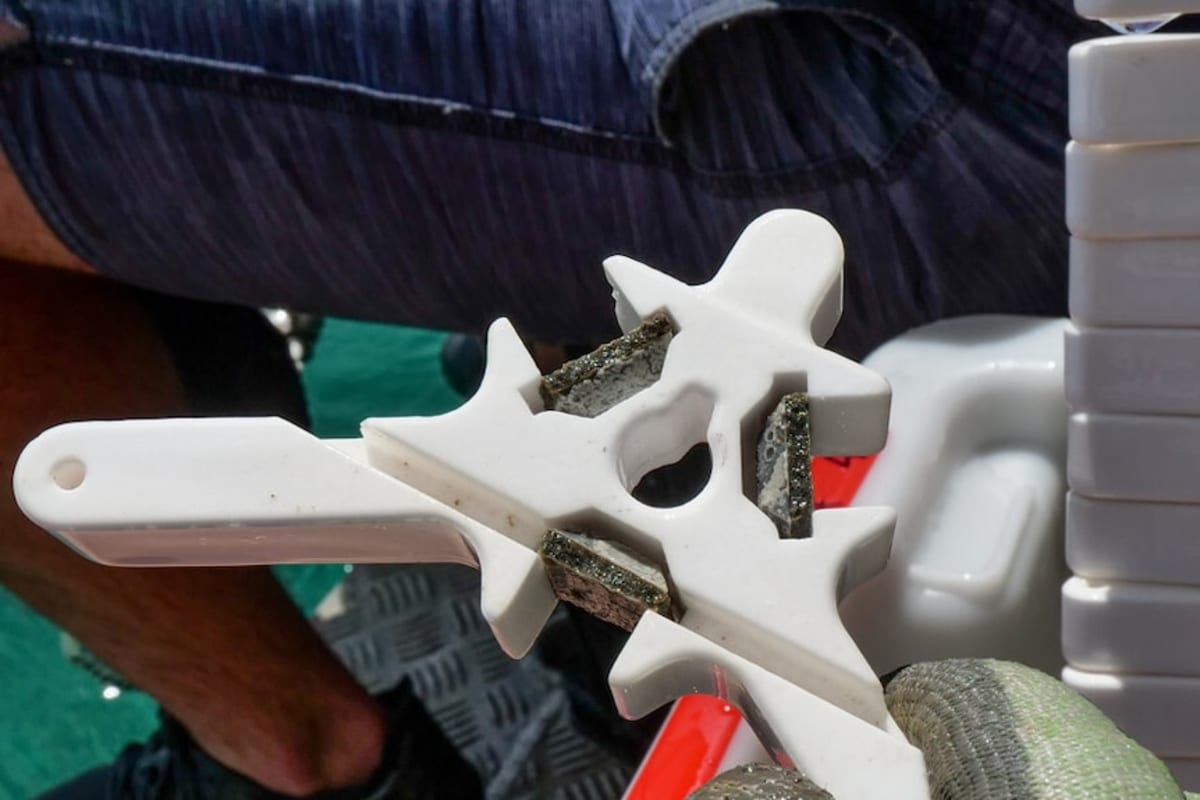
The Australian Institute of Marine Science partnered with tourism operators, traditional owners, and coral growers to transplant 40,000 baby corals onto the Great Barrier Reef this year. Each baby coral sits protected in a ceramic seeding device designed to keep it safe as it settles onto the reef floor.
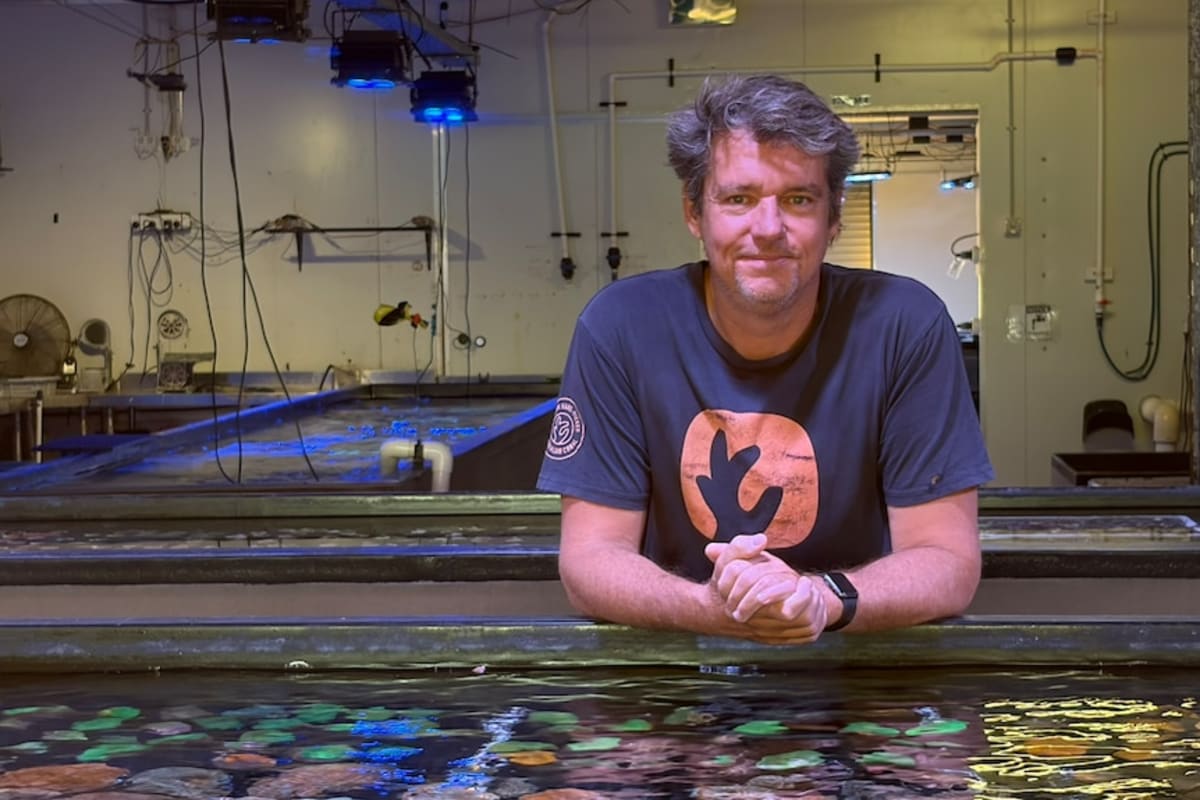
The project uses two clever approaches. First, companies like Bundaberg's Monsoon Aquatics grow corals on land at their Cairns facility, selecting varieties that can better tolerate warming ocean temperatures. These hardy corals will eventually spawn and pass those climate-resistant genes to surrounding reef areas.
The second method captures nature's own magic. During natural coral spawning cycles, teams set up floating pools with nets on the reef and collect wild spawn slicks over three nights. Director Daniel Kimberley explains the philosophy simply: "Mother Nature is the best coral farm we have. What we can do is just accelerate that evolution and give it a little bit of a kickstart."
This three-year pilot program is teaching tourism operators and Indigenous rangers the skills they'll need to lead restoration efforts themselves. Cairns Reef Fishing now discusses adding a marine biologist to their staff. Traditional owner Ameron Cleland of the Woppaburra people sees it as returning to ancestral responsibilities with modern tools.
The Ripple Effect
The program focuses on reefs near Cairns, Port Douglas, and the Keppel Islands, but its impact reaches far beyond those sites. By training dozens of people across the reef industry and Indigenous communities, scientists are building the workforce needed to scale up restoration dramatically in coming years.
Every coral that survives and spawns sends millions of larvae drifting to neighboring reefs. Those offspring carry the heat-tolerant genetics scientists carefully selected, spreading climate resilience naturally across thousands of square miles.
The team is now monitoring how this summer's 40,000 corals are settling in and planning to expand the scale even further next year. What started as a research experiment is becoming a blueprint for bringing one of the world's greatest ecosystems back to life, one tiny coral at a time.
More Images

Based on reporting by ABC Australia
This story was written by BrightWire based on verified news reports.
Spread the positivity!
Share this good news with someone who needs it