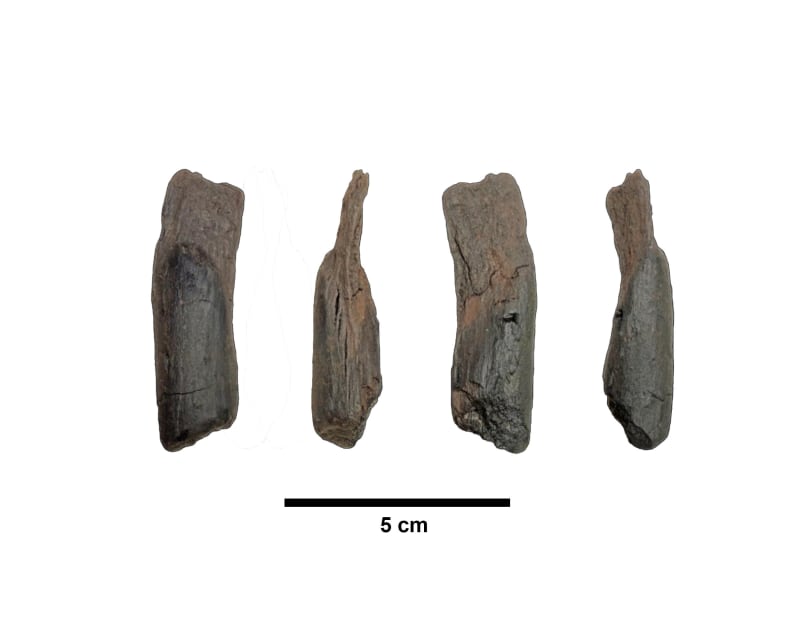
430,000-Year-Old Wooden Tools Found in Greece
Scientists discovered two wooden tools at a Greek lake shore dating back 430,000 years, making them the oldest wooden artifacts ever found. The rare discovery gives us a window into how ancient humans survived using materials beyond just stone.
Imagine holding a wooden stick crafted by human hands nearly half a million years ago. That's exactly what researchers experienced when they uncovered two ancient wooden tools at Greece's Megalopolis basin, the oldest ever found.
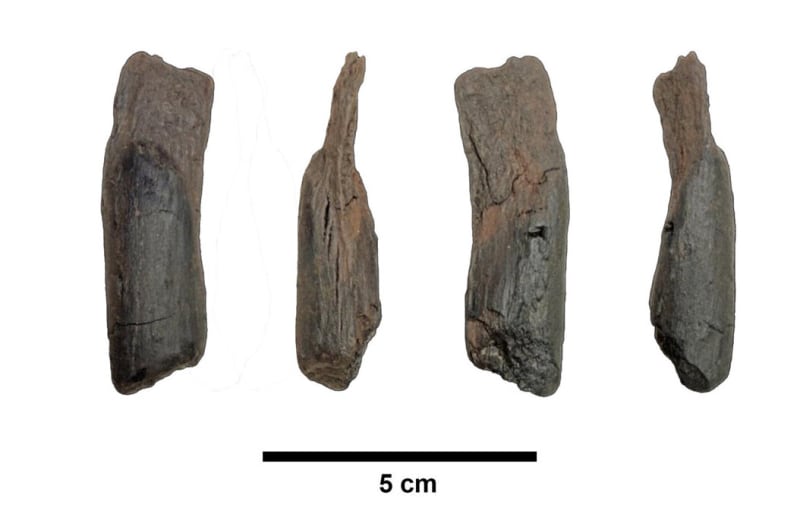
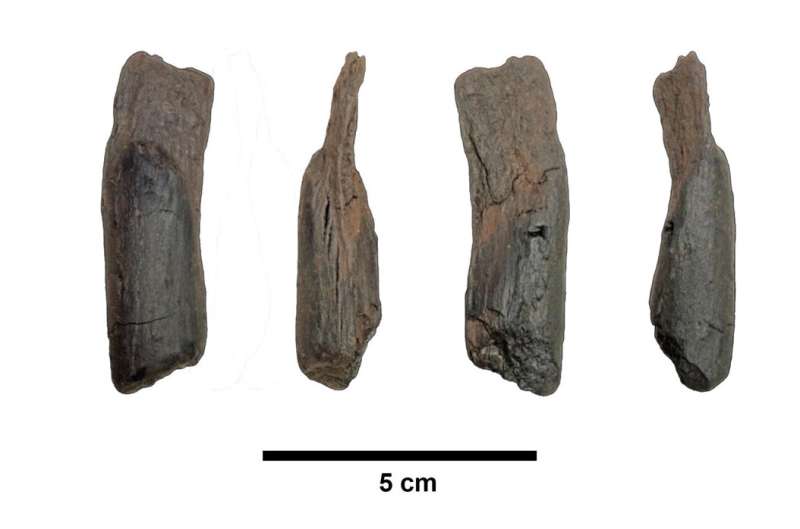
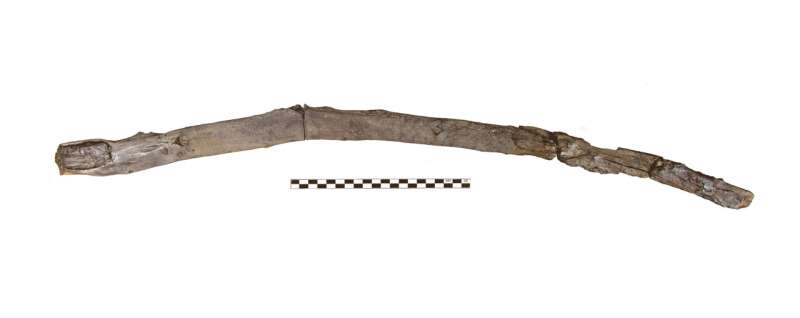
The artifacts include a slender digging stick about 2.5 feet long and a smaller handheld chunk of willow or poplar wood that may have shaped stone tools. Published in the Proceedings of the National Academy of Sciences, the discovery fills a major gap in our understanding of early human technology.
Wood usually rots away quickly, leaving scientists with mostly stone and bone artifacts from ancient times. But these tools survived because they were rapidly buried by sediment and preserved underwater for millennia. Finding wooden tools is like discovering a missing chapter in humanity's story.
"I've always just been thrilled to be able to touch these objects," said study author Annemieke Milks from the University of Reading. Her team has also found stone tools and elephant bones with cut marks at the site, painting a picture of an active ancient community.
The mystery deepens because no human remains have been found at the location yet. The tools could have belonged to Neanderthals, early human ancestors, or another species entirely. Dating the site itself provided the 430,000-year timeline for the objects.
Why This Inspires
This discovery reminds us that human ingenuity stretches back far deeper than we often imagine. Our ancestors weren't just chipping away at rocks. They were carving wood, hunting elephants, and solving survival challenges with creativity and skill.
These unassuming sticks prove that ancient humans had diverse toolkits adapted to different tasks. Other ancient wooden finds include spears from Germany and 300,000-year-old Chinese digging sticks for harvesting plants. Each discovery adds detail to the portrait of our resourceful ancestors.
Study author Katerina Harvati from the University of Tübingen called it a glimpse into "a little known aspect of the technology of early humans." The site likely holds more treasures waiting to be unearthed.
Even simple wooden sticks can unlock profound truths about where we came from and how we learned to thrive.
More Images

Based on reporting by Phys.org
This story was written by BrightWire based on verified news reports.
Spread the positivity!
Share this good news with someone who needs it