%2Ffile%2Fattachments%2Forphans%2F62Stock_930555.jpg)
45 Families Beat Hunger By Pooling $20 Monthly in South Africa
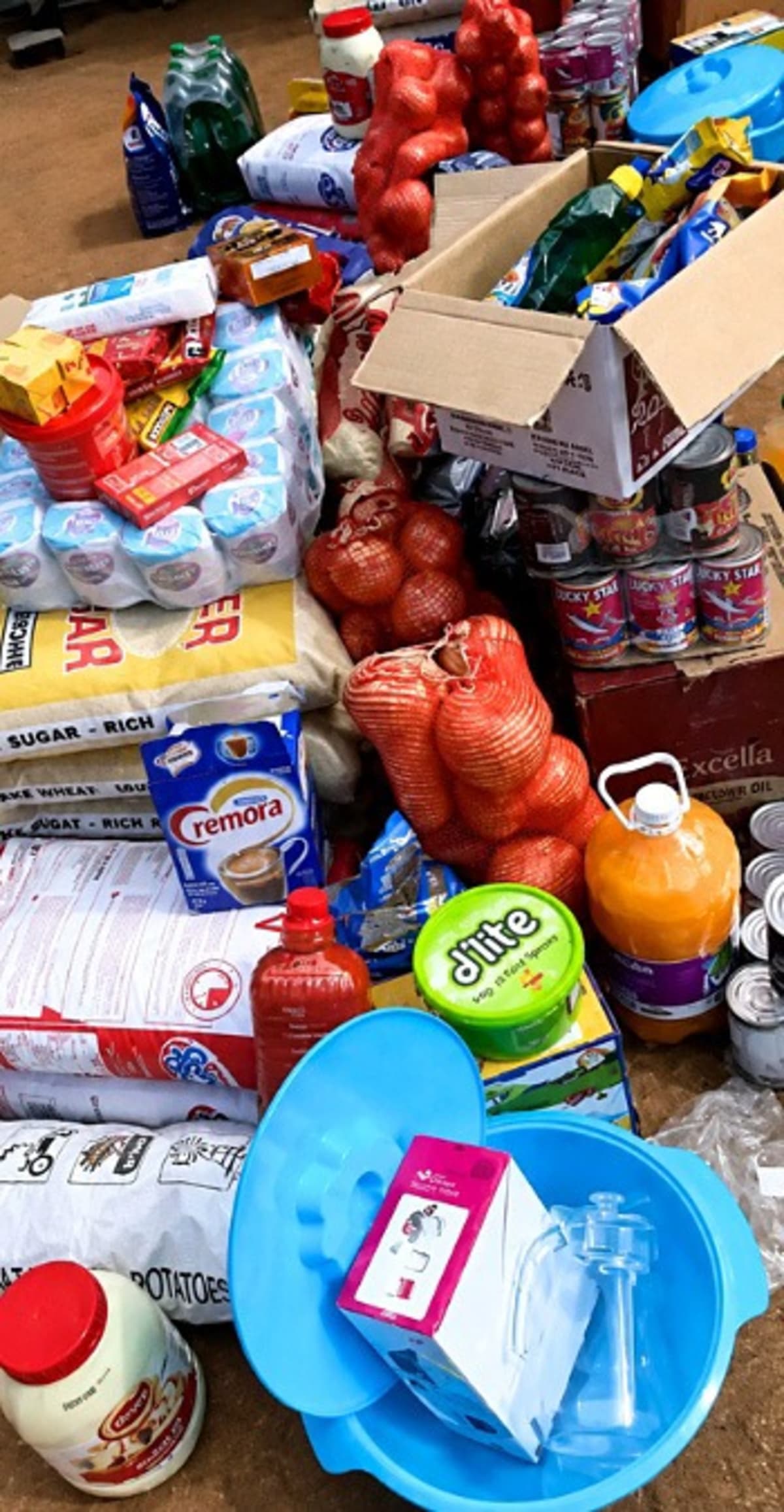
In a small South African village, 45 families pool just $20 each month to buy groceries in bulk, saving up to 20% and turning empty December tables into feasts. What started as three frustrated neighbors has become a lifeline against rising food costs.
For Mapiti Seleka, December used to mean "just pap and hope." Now, thanks to a simple idea born from neighborhood frustration, her family enjoys juice, biscuits, and meat during the holidays.
Three years ago, Seleka and two neighbors in Tsetse Village outside Mafikeng, South Africa, were fed up with their old food-buying group. So they started their own, and the Reabetswe Food Stokvel was born.
Today, 45 households contribute R370 ($20 USD) monthly to buy groceries, meat, toiletries, and snacks together. The bulk purchasing power turns individual budgets that barely last two months into supplies that stretch through January and beyond.
The math is simple but powerful. When the group buys 10 bags of maize meal or five boxes of chicken at once, local supermarkets and wholesalers offer discounts. Members save between 15% and 20% compared to shopping alone.
"If I save myself R370 each month, the total amount of food won't even last for two months," explains member Kegomoditswe Segwe. "But when we buy together, we get so much more."
The benefits reach beyond individual shopping carts. Seleka, a 41-year-old mother living on an unemployment grant and her husband's small income, now shares groceries with her sister who cares for four children.
Before the stokvel, Seleka relied on mashonisas (informal moneylenders) to feed her family during the holidays. Now she starts each new year debt-free.
The Ripple Effect
The Reabetswe Food Stokvel reflects a massive movement across South Africa. The National Stokvel Association estimates over 800,000 such groups exist nationwide, with 11 million members moving more than R50 billion annually through the informal economy.
Recent research from the University of Cape Town found that grocery stokvels in low-income communities successfully ease financial pressure on households by making bulk buying accessible. The pooled money allows families to negotiate better prices and plan ahead instead of scrambling month to month.
Co-founder Kedisaletse Molefe says the group has become about more than money. Members now encourage each other to keep saving and share ideas for stretching their food further.
"We buy things you would never afford all at once if you were buying alone," says co-founder Katlego Malgas, who notes that the R20 monthly transport fee is split among everyone, making even delivery affordable.
What started as three neighbors wanting better groceries has created a support network where 45 families know they won't face rising food prices alone.
More Images
%2Ffile%2Fattachments%2Forphans%2F61Stokvelgroup_107080.jpg)
%2Ffile%2Fattachments%2Forphans%2F62Stock1_185351.jpg)
%2Ffile%2Fattachments%2Forphans%2F63Founders_624149.jpg)
Based on reporting by Daily Maverick
This story was written by BrightWire based on verified news reports.
Spread the positivity!
Share this good news with someone who needs it
%2Ffile%2Fattachments%2Forphans%2FED_5970181_716531.jpg)
%2Ffile%2Fattachments%2Forphans%2F51Momandboy_441858.jpg)