45 Volunteers Help 250 Kids Learn to Read in Virginia
Volunteers from Virginia's Rotary clubs are sitting side-by-side with struggling young readers, giving them the extra practice time their teachers can't always provide. In just three months, the program has matched trained community members with 250 elementary students.
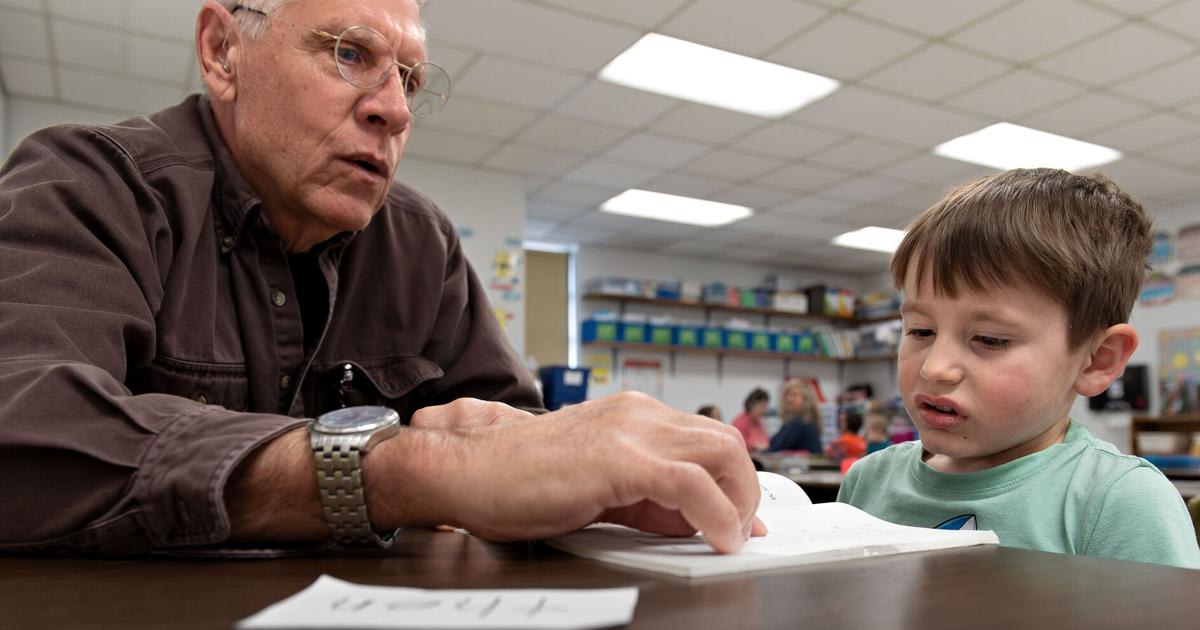
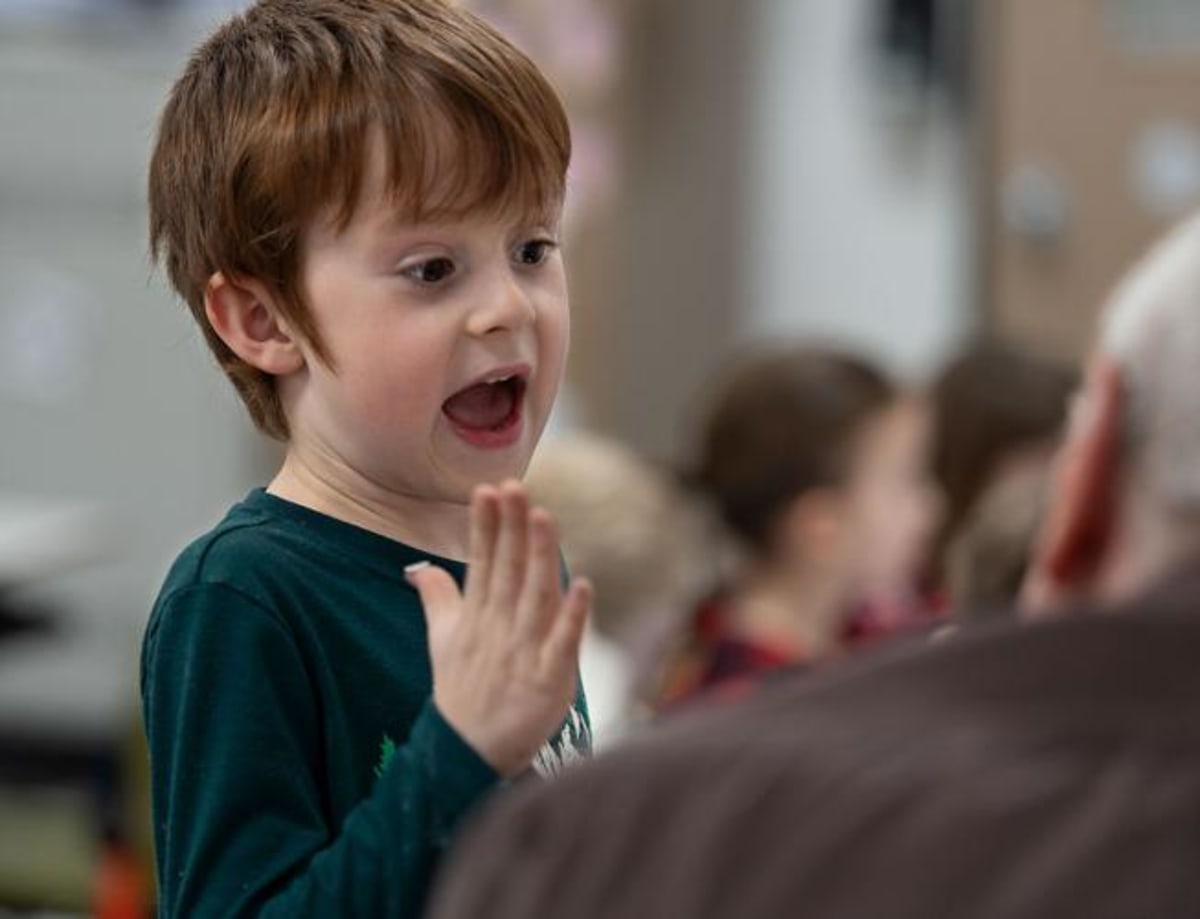
Seven-year-old Austin Shenk swung back and forth in his chair, sounding out each syllable as Bill Grass waited patiently across the tiny table. When they reached the end of the story, Austin chose to keep going. Just five more pages.
Grass is one of 45 volunteers bringing one-on-one reading support to elementary classrooms in Shenandoah County, Virginia. The program launched just three months ago after Rotary club members learned that 40% of local third graders were reading at the lowest level possible.
The numbers pushed them to act fast. Randy Doyle, a Rotary member who helped organize the effort, gathered school leaders, superintendents, and board members in September. By November, volunteers were signing up. By December, they were in classrooms.
The partnership between Shenandoah County Public Schools and four local Rotary clubs now serves 250 students across two elementary schools. Volunteers don't teach new skills or diagnose problems. They simply listen to kids read, reinforce what teachers are already working on, and give struggling readers something schools often can't provide: time.
At W.W. Robinson Elementary, where just 60% of students passed the state reading test, volunteers arrive weekly with books chosen by classroom teachers. They pull up chairs to tables built for first graders and help children work through words like "wearing" and "presenting," correcting gently and encouraging always.
Monica Hinegardner, the school district's director of instruction, designed the training program to ensure volunteers support rather than replace professional teaching. Teachers identify which students need extra help using state assessment data, then guide volunteers on exactly what to practice.
The Ripple Effect
The program grew faster than anyone expected. What started as a conversation at one Rotary meeting became a 12-member leadership team drawing from schools, the Chamber of Commerce, and the county library system. Within weeks of opening recruitment, more volunteers signed up than organizers anticipated.
The model is already expanding to a third elementary school. Volunteers who committed to just an hour a week are discovering that their presence matters more than their expertise. When Austin wanted to read five more pages with Grass, it wasn't because he had to. It was because someone was there to listen.
Early tracking shows volunteers have logged 66 hours of direct reading support since December, and that represents only a fraction of those participating. For students who once struggled alone, that time is making reading feel less like work and more like something worth finishing.
More Images


Based on reporting by Google: volunteers help
This story was written by BrightWire based on verified news reports.
Spread the positivity!
Share this good news with someone who needs it