%2Ffile%2Fattachments%2Forphans%2FPhoto4_265575.jpg)
46 Rescued Penguin Chicks Thriving After Island Floods
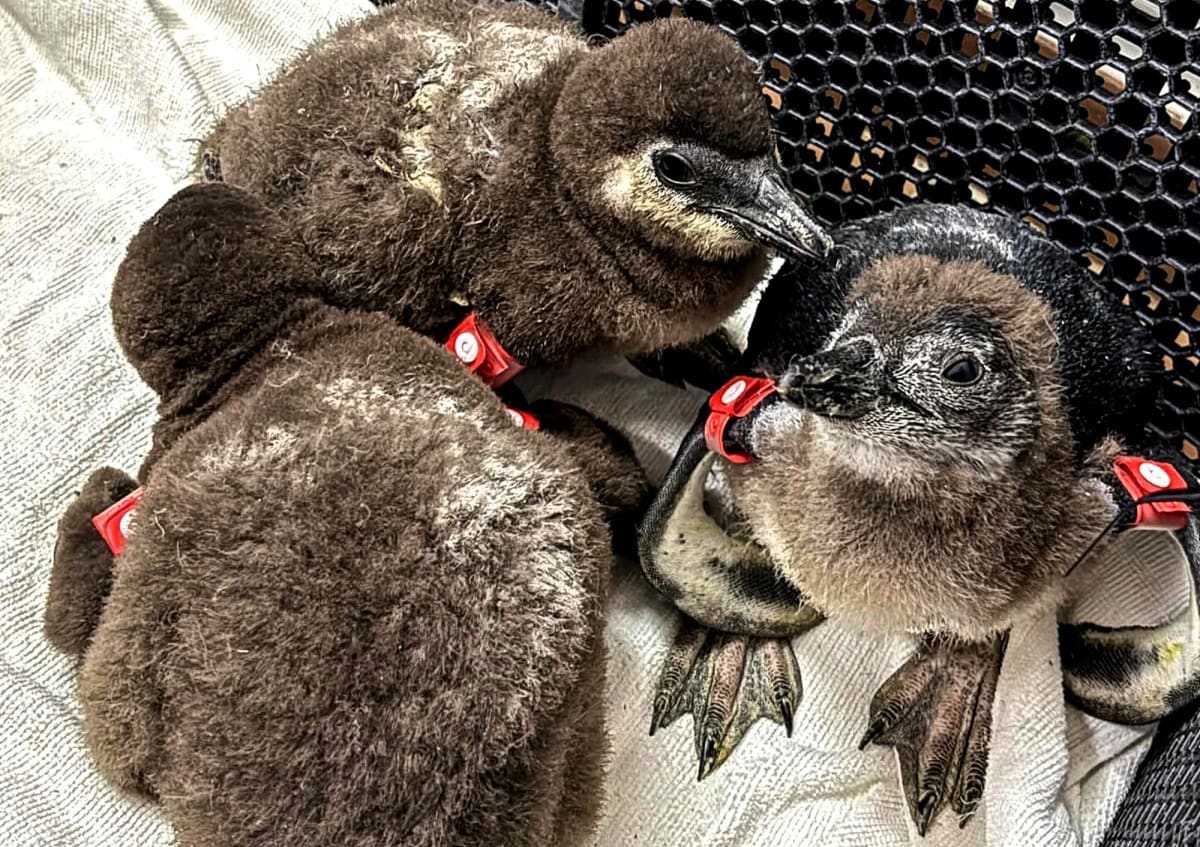
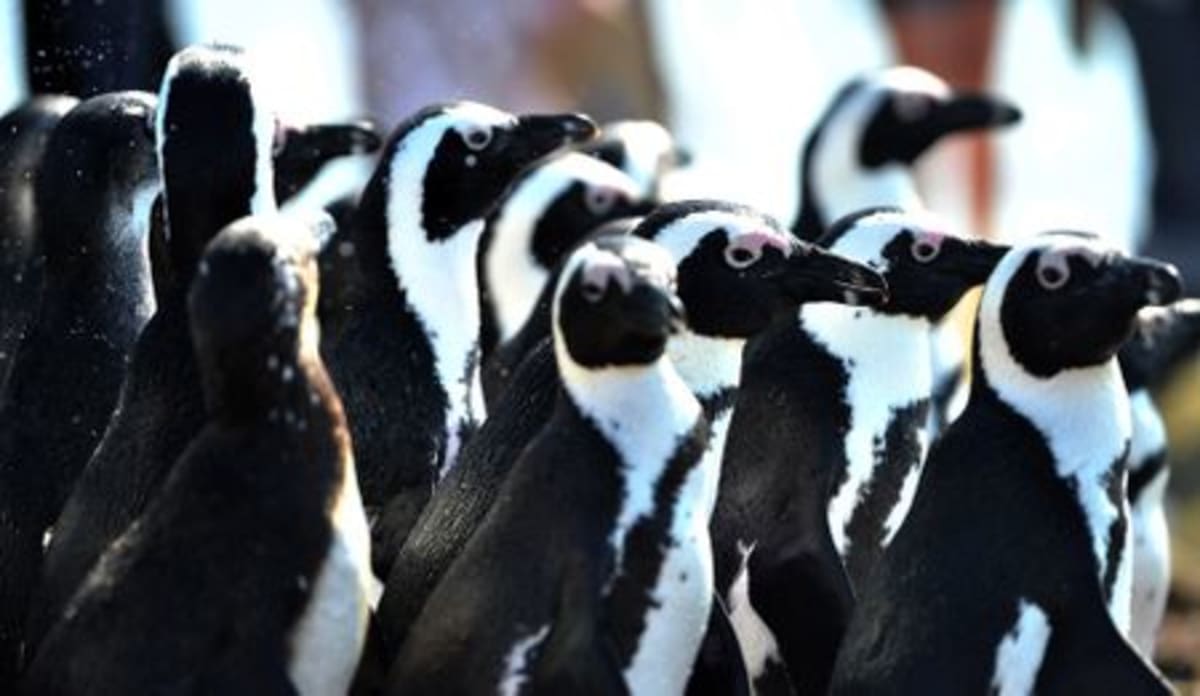
Forty-six African penguin chicks are chirping loudly and gaining weight at a South African rescue center after floods destroyed their nests on Bird Island. The hardy birds are receiving round-the-clock care and will return to the wild in just a few months.
The chorus of chirps outside CJ Havemann's office tells him everything he needs to know: the 46 rescued African penguin chicks are doing just fine.
After heavy rains flooded Bird Island in Algoa Bay on February 24, dozens of penguin chicks were left without shelter or parents. The Southern African Foundation for the Conservation of Coastal Birds (Sanccob) in Gqeberha stepped in fast, evacuating the vulnerable birds to their specialized rehabilitation center.
"They are putting on weight and very healthy," said Havemann, Sanccob's center manager. "They are very noisy because they're situated outside my office, so you can just hear them chirping all the time."
Bird Island hosts South Africa's second-largest colony of African penguins, with roughly 700 breeding pairs. The island also protects the world's largest colony of Cape gannets, making it a critical stronghold for seabird conservation.
The flooding hit during peak breeding season, when adult penguins were raising their youngest chicks. The torrential downpours forced parent birds to abandon their nests in the low-lying areas, leaving the chicks vulnerable.
Two dedicated seabird monitors permanently stationed on the island acted quickly. They stabilized the displaced chicks and attempted reunions with parents, but when that proved impossible, the birds were transported to Sanccob's facility.
The Bright Side
Thanks to swift action by the monitors, more than 95% of the birds in the affected area survived. Only a handful of chicks were lost, and the rest of the island remained unaffected.
Now the rescued chicks are receiving intensive care that would make any parent proud. Trained staff and interns feed them every two hours in a specialized chick-rearing unit with 24-hour monitoring.
"The good thing with African penguins is they're very hardy, and they want to live," Havemann said.
The birds will spend three to four months in rehabilitation before returning home. They'll only be released once they reach the correct weight, pass health checks, and meet all the criteria set by the rehab team and veterinarians.
Meanwhile, South African National Parks is already working on prevention. The team is studying the newly flooded area to implement better drainage channels and barriers that have worked "phenomenally" in other parts of the island.
Artificial nesting structures are also helping compensate for habitat loss caused by decades-old guano harvesting that stripped away natural nesting sites.
In a few months, 46 healthy penguins will waddle back into the ocean, proof that quick action and dedicated care can turn a climate disaster into a conservation win.
More Images
%2Ffile%2Fattachments%2Forphans%2FPhoto1_389101.jpg)
%2Ffile%2Fattachments%2Forphans%2FPhoto5_394033.jpg)
Based on reporting by Daily Maverick
This story was written by BrightWire based on verified news reports.
Spread the positivity!
Share this good news with someone who needs it