48 States Extend RSV Protection After Game-Changing Shot Works
A new immunization that prevents serious RSV illness in babies is working so well that nearly every state is extending access through April as the virus spreads later than usual this season. Tens of thousands of hospitalizations have already been prevented in what doctors call a 30-year breakthrough.
After three decades of waiting, pediatricians finally have a way to protect babies from one of the most dangerous respiratory viruses they face. And it's working better than anyone hoped.
Nearly all U.S. states have extended access to RSV immunizations through the end of April after the virus continued spreading later into spring than usual. The move comes during only the third season these protective antibody shots have been available, and hospitals are already seeing dramatically fewer sick infants.
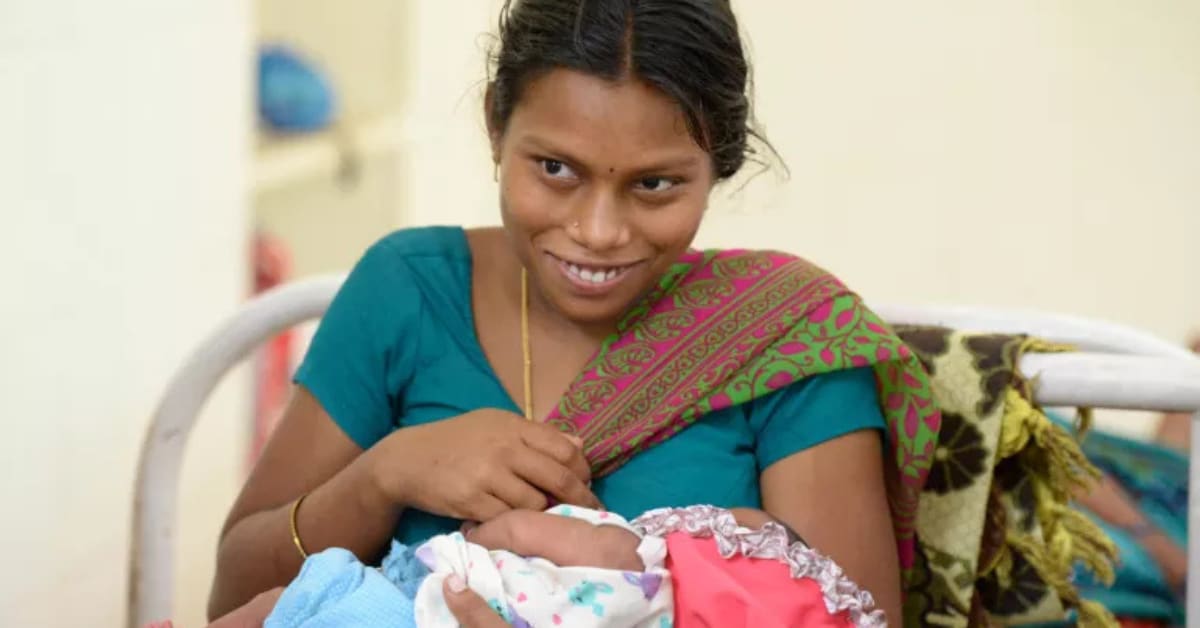
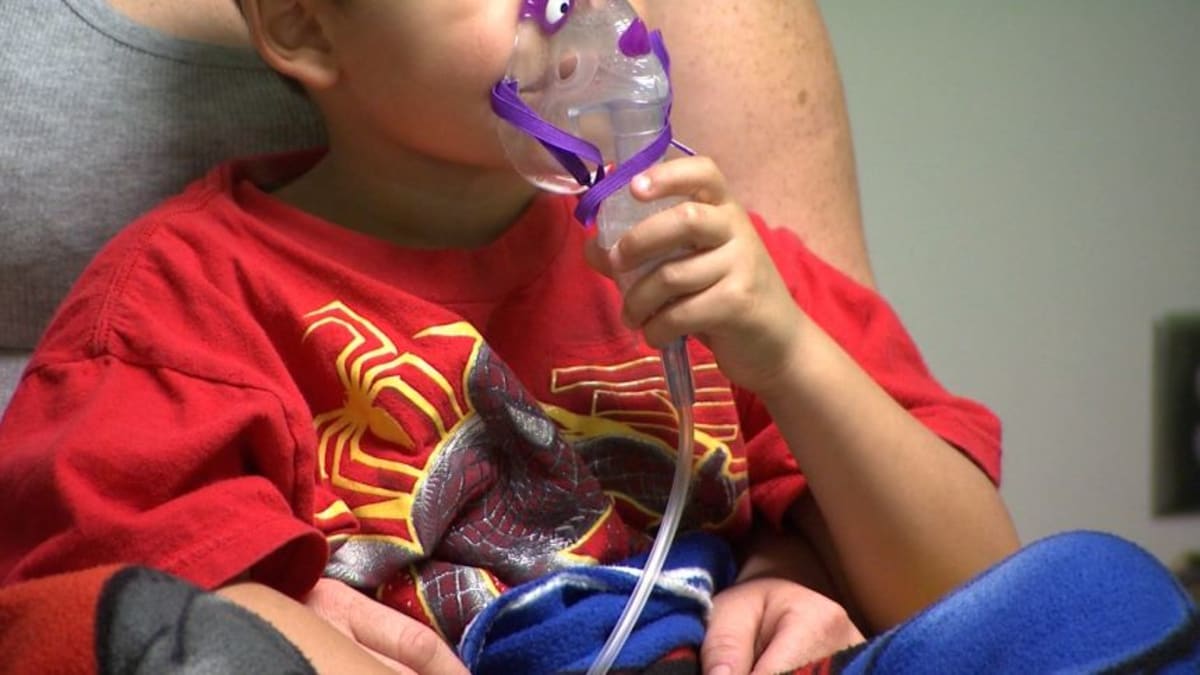
RSV typically causes cold-like symptoms in most people, but it sends two to three out of every 100 infants younger than 3 months to the hospital each year. For tiny babies, the virus can turn serious quickly, making it the leading cause of infant hospitalization in America.
This year looks different. Federal data shows that while RSV test positivity rates hit 7.5% in mid-March compared to just 5% last year, hospitalization rates among infants dropped significantly compared to previous seasons when the immunization wasn't available.
Dr. Michelle Fiscus, a pediatrician with 30 years of experience, doesn't use the term "game-changer" lightly. But she uses it for these RSV immunizations without hesitation.
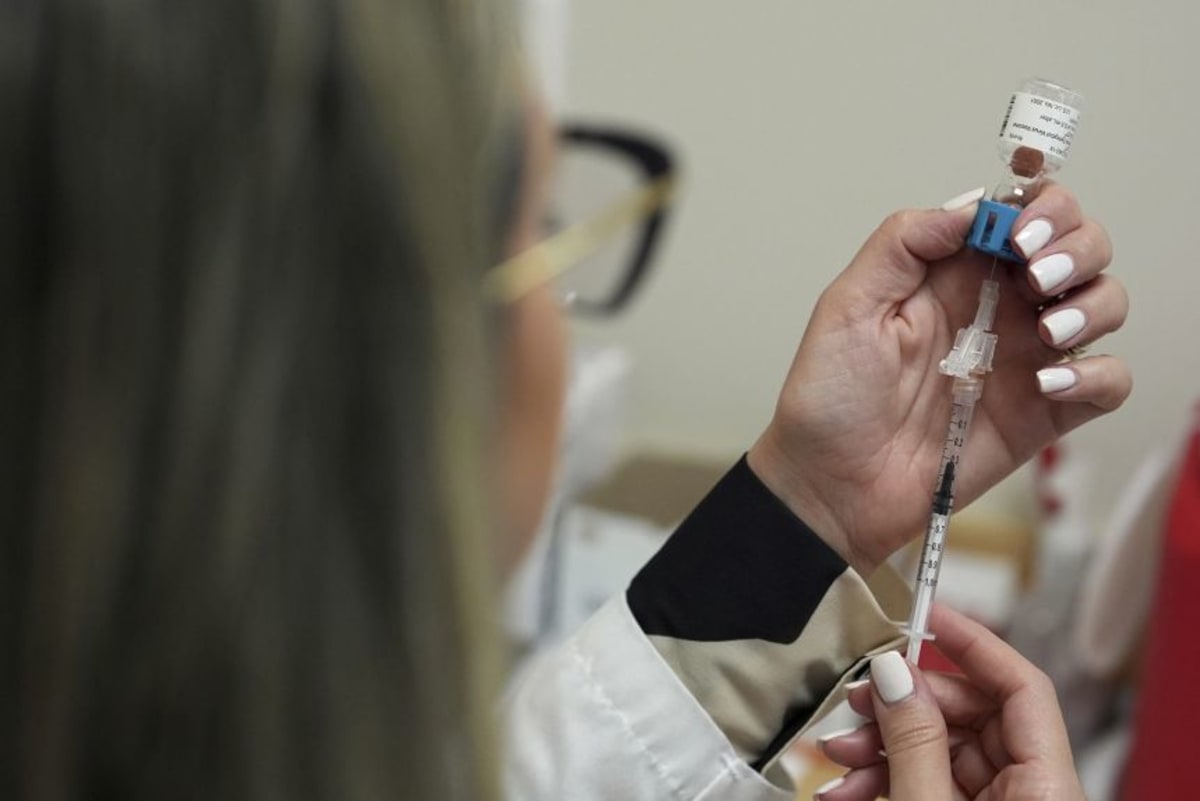
The protective antibody shot works differently than a traditional vaccine, offering passive immunity that shields vulnerable babies during their most dangerous months. Infants born to mothers who didn't receive the RSV vaccine during pregnancy can get one dose of the antibody shot for protection.
The timing of this year's extension reflects smart, responsive public health. After the CDC encouraged states to check their local RSV data in mid-March, 48 jurisdictions quickly moved to extend the immunization period through at least April 30.
"RSV peaked later than usual this year, and many areas are continuing to see emergency department visits and hospitalizations linger into spring," said Dr. Susan Kansagra of the Association of State and Territorial Health Officials. The extended window means more babies stay protected while the virus still circulates.
Washington State Health Officer Dr. Tao Sheng Kwan-Gett put it simply: extending RSV immunizations means continuing "to keep babies out of the hospital while disease activity is still high." In Washington, RSV activity started more than a month later than in previous seasons.
Why This Inspires
For parents of newborns, RSV season used to mean months of anxiety. Every sniffle could signal the start of something serious enough to land a tiny baby in the hospital, possibly needing oxygen or intensive care.
Now, for the first time, families have real protection. The fact that nearly every state moved quickly to extend access shows public health working exactly as it should: watching the data, responding to community needs, and prioritizing the most vulnerable.
After 30 years of watching helpless as babies struggled to breathe, pediatricians finally have a tool that works. And they're making sure every eligible baby gets it.
More Images
Based on reporting by Google News - Health
This story was written by BrightWire based on verified news reports.
Spread the positivity!
Share this good news with someone who needs it