5 Apps Helping 180M Muslims Navigate Ramadan With Joy
As Ramadan 2026 begins, millions of Muslims worldwide are using faith-driven apps to strengthen their spiritual practice during Islam's holiest month. From AI-powered Quran recitation to prayer-based productivity tools, technology is helping believers stay consistent with fasting, prayer, and community connection.
For the 1.8 billion Muslims observing Ramadan this year, staying spiritually focused doesn't mean disconnecting from technology anymore. Instead, believers are embracing a new generation of faith-driven apps designed to make the month of fasting, prayer, and reflection more meaningful.
Ramadan asks a lot of the faithful. Beyond abstaining from food and drink from dawn to sunset, Muslims commit to increased prayer, Quran recitation, charitable giving, and deeper community engagement. That's where these five digital tools are making a real difference.
Muslim Pro leads the pack with 180 million downloads worldwide. The app delivers prayer time alerts, Quran recitations in multiple languages, and even a digital Qibla compass pointing toward Mecca. It sends notifications for suhoor (the pre-dawn meal) and iftar (the sunset meal), helping users structure their days around worship.
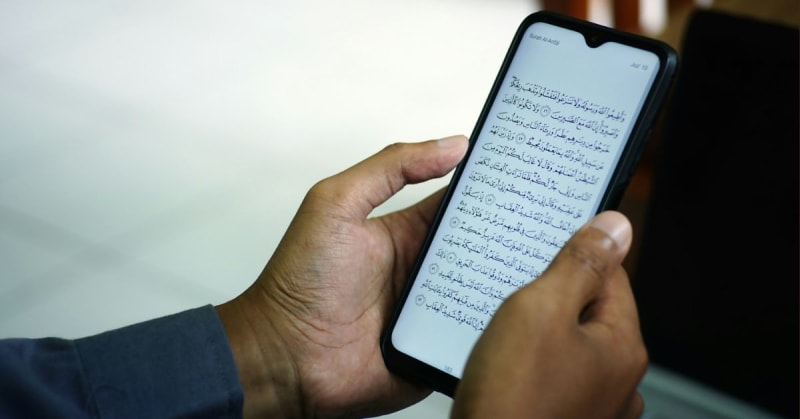
For Muslims aiming to read the entire Quran during Ramadan, Quranly offers personalized goals and streak tracking. The free, ad-free app supports translations in 18 languages and uses gentle gamification to build daily reading habits that last beyond the holy month.
MyWaqt takes a fresh approach to productivity by flipping the script entirely. Instead of squeezing prayers into packed schedules, the app organizes work, meetings, and tasks around the five daily prayers. During Ramadan, it adds suhoor and iftar as additional time anchors, restructuring the entire day around spiritual priorities.
Tarteel brings artificial intelligence into Quran memorization. The app listens as users recite verses aloud, identifying the exact passage and flagging mistakes in real time. More than 15 million Muslims have downloaded this "Shazam for the Quran," which tracks historical errors to help users improve their recitation over time.
Food also gets its moment. My Halal Kitchen, founded by Muslim American food writer Yvonne Maffei, offers 1.5 million followers globally inspired halal recipes perfect for suhoor and iftar. The platform doubles as a marketplace, connecting users with halal suppliers and helping families bring variety to their Ramadan tables.
The Ripple Effect
These apps represent more than convenience. They're building global communities of practice, connecting Muslims across continents who share similar spiritual goals. A believer in Jakarta can share a Ramadan reflection with someone in Detroit through Muslim Pro. A mother in London can try the same iftar recipe as a family in Cairo through My Halal Kitchen.
Muslim developers are also rethinking what productivity and wellness tools should look like for their communities. MyWaqt's prayer-first calendar challenges the Western assumption that spiritual practice must fit around work schedules, not the other way around.
For many users, these apps aren't replacing traditional practices but enhancing them. They're making it easier to build habits that strengthen faith long after Ramadan ends. Technology and devotion are no longer opposites but partners in spiritual growth.
Based on reporting by TechCabal
This story was written by BrightWire based on verified news reports.
Spread the positivity!
Share this good news with someone who needs it