5 Central Asian Nations Mark 20 Years Nuclear-Free
Kazakhstan, Kyrgyzstan, Tajikistan, Turkmenistan and Uzbekistan are celebrating two decades since they voluntarily gave up nuclear weapons through the Semipalatinsk Treaty. In a world facing rising nuclear threats, their commitment proves regional cooperation can create lasting peace.
Twenty years ago, five Central Asian nations made a choice that still resonates today: they legally bound themselves never to develop, acquire, test or deploy nuclear weapons.
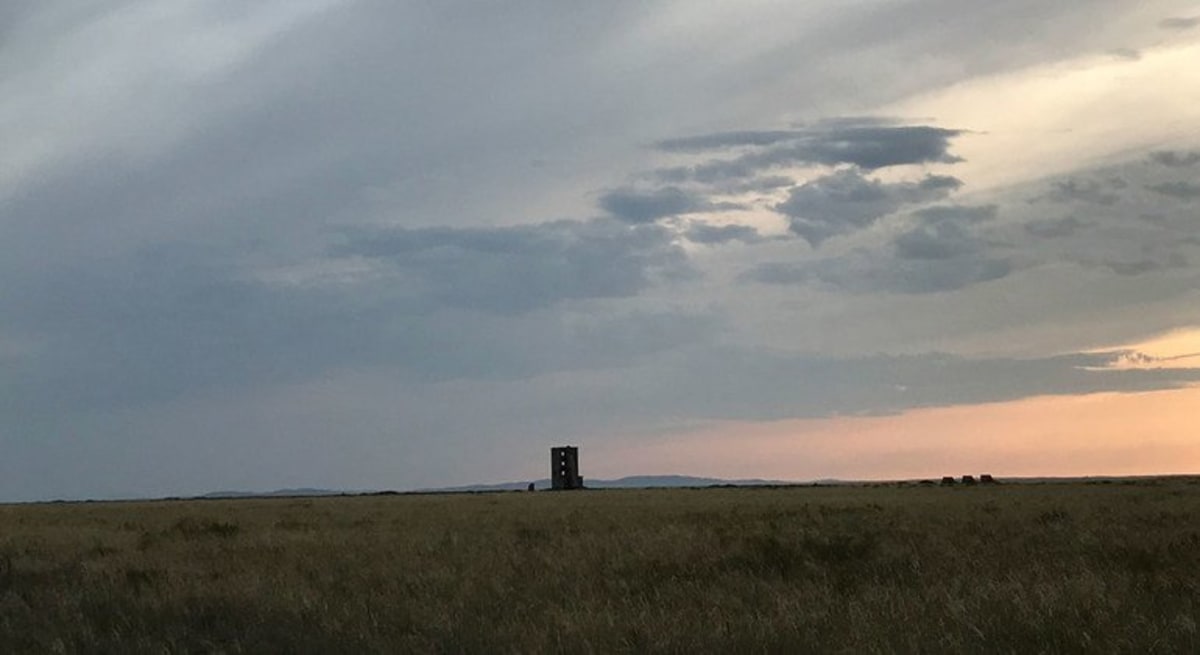
The Semipalatinsk Treaty brought together Kazakhstan, Kyrgyzstan, Tajikistan, Turkmenistan and Uzbekistan in 2006. Named after the remote Kazakhstan site that once served as the Soviet Union's primary nuclear testing ground, the agreement transformed a region scarred by nuclear history into a zone of peace.
"Nuclear-weapon-free zones are not only historical achievements but also living instruments of regional security," says Christopher King, Chief of the Weapons of Mass Destruction Branch at the UN Office for Disarmament Affairs. His office views the Central Asian zone as proof that effective regional cooperation works.
The treaty's significance reaches far beyond Central Asia's borders. First Deputy Minister of Foreign Affairs of Kazakhstan Yerzhan Ashikbayev believes the zone contributes to global security, not just regional stability.
Some experts question whether such agreements can survive today's geopolitical tensions. Ashikbayev disagrees, arguing that critical periods actually demonstrate why these zones matter more than ever.
The Ripple Effect
The Central Asian experience is inspiring interest in other regions worldwide. While each zone must be a sovereign decision by the states involved, the success story offers a blueprint for peace.
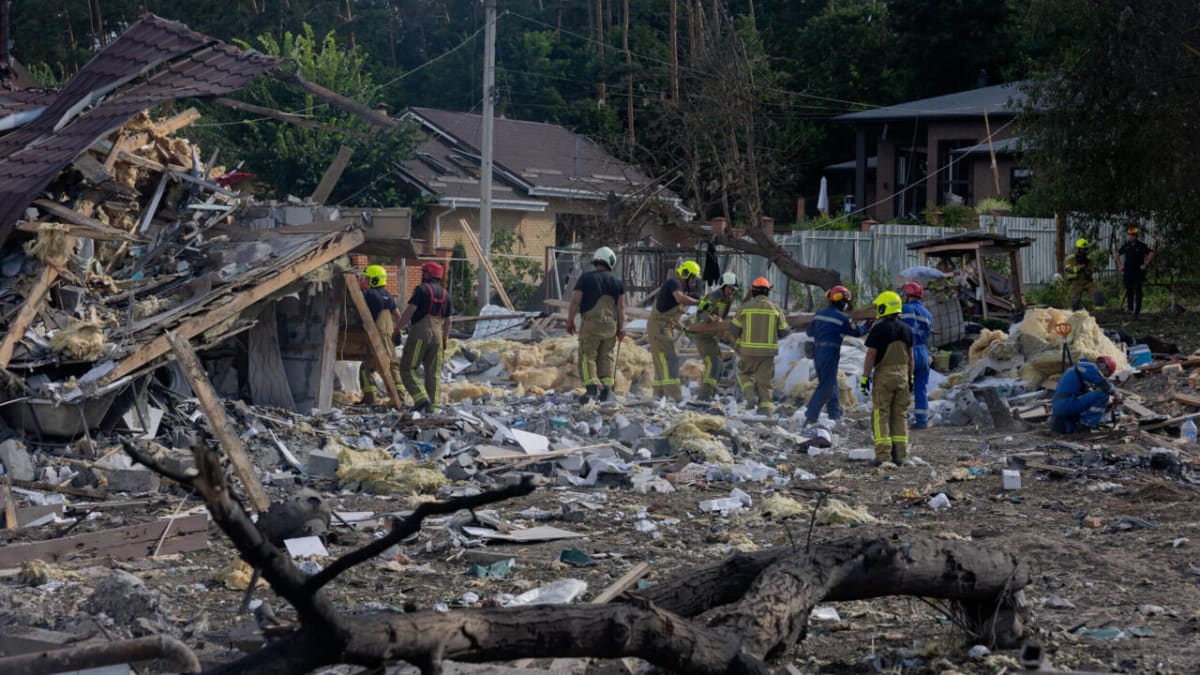
The legacy of nuclear testing still affects communities near the former Semipalatinsk site. However, rehabilitation programs are bringing hope: a modern oncology center now serves the region, and previously restricted territories are gradually returning to economic use after thorough safety assessments.
The five nations recently gathered at UN Headquarters to mark the anniversary, sharing how their agreement strengthens international security. Their message is simple: even in an unstable world, nations can choose cooperation over weapons.
Other nuclear-weapon-free zones exist across Latin America, the Caribbean, the South Pacific, Southeast Asia and Africa. Each proves that countries can prioritize peace through legally binding commitments.
Twenty years later, Central Asia's choice continues to shine as an example of what's possible when nations commit to a safer future together.
More Images

Based on reporting by UN News
This story was written by BrightWire based on verified news reports.
Spread the positivity!
Share this good news with someone who needs it