5 Daily Money Lessons Parents Can Teach Kids at Home
Parents don't need financial lectures to raise money-smart children. Simple everyday moments like grocery shopping and pocket money create powerful learning opportunities that last a lifetime.
Teaching children about money doesn't require fancy apps or formal lessons. The most effective financial education happens naturally during everyday family moments, turning ordinary activities into powerful teaching opportunities.
Grocery shopping offers one of the richest learning environments for young minds. When parents explain why one product offers better value than another, children begin understanding that every purchase involves a choice. These conversations also introduce the concept that overconsumption affects both personal budgets and the world around them.
The distinction between wants and needs forms the foundation of financial wisdom. Teaching children to recognize this difference helps them manage impulse spending as they mature. Milk and school supplies represent genuine needs, while candy and toys fall into the wants category, making the grocery store an ideal classroom for this lesson.
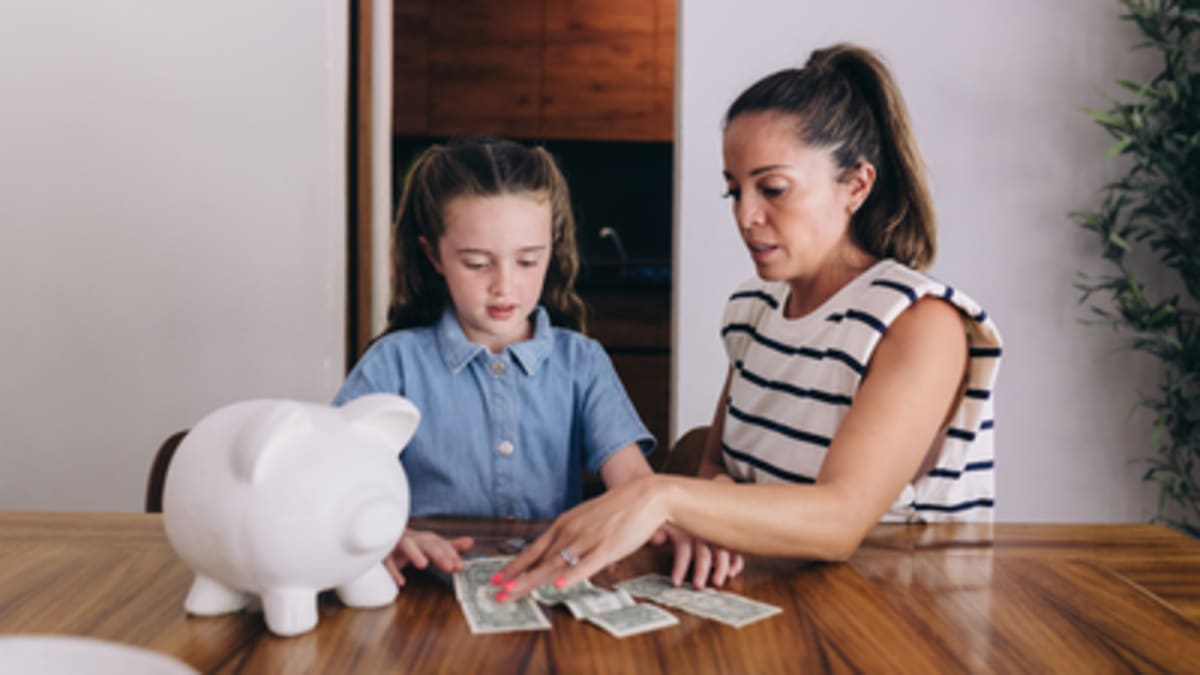
Pocket money transforms from a simple allowance into a responsibility builder when handled thoughtfully. Children who manage their own small amounts of cash quickly learn that planning matters and poor choices have real consequences. This hands-on experience teaches accountability better than any lecture ever could.
Many parents shield children from all financial discussions, but age-appropriate budget conversations build valuable skills without creating stress. When families talk about how they plan for expenses and make spending decisions, children absorb the message that money requires effort and careful management. These conversations plant seeds of understanding that money has limits and thoughtful planning creates security.
Sunny's Take
Perhaps the most powerful teaching tool parents possess is their own behavior. Children absorb everything they observe, from how parents avoid waste to how they approach spending decisions. When parents model emotional balance around money and make financial choices calmly, they demonstrate that thoughtful spending doesn't need to create anxiety.
The beauty of everyday money lessons lies in their simplicity and consistency. Children raised around healthy financial habits naturally develop into responsible, mindful adults who understand value and make confident decisions. These lessons don't require special occasions or formal sit-downs. They unfold organically during trips to the store, conversations about family plans, and daily choices that children witness firsthand.
Financial literacy starts at home, one small lesson at a time.
More Images



Based on reporting by Times of India - Good News
This story was written by BrightWire based on verified news reports.
Spread the positivity!
Share this good news with someone who needs it