5 European Spots Turning Sustainability Into Art
From a Slovenian Alpine hotel reshaping fine dining with zero-waste menus to a Turkish shipyard reborn as a waterfront sanctuary, Europe's newest destinations prove sustainability and beauty can thrive together. TIME's 2026 World's Greatest Places list celebrates spaces where innovation meets heritage.
A 700-year-old family hotel in Slovenia is proving that luxury and sustainability aren't just compatible—they're transforming what fine dining can be.
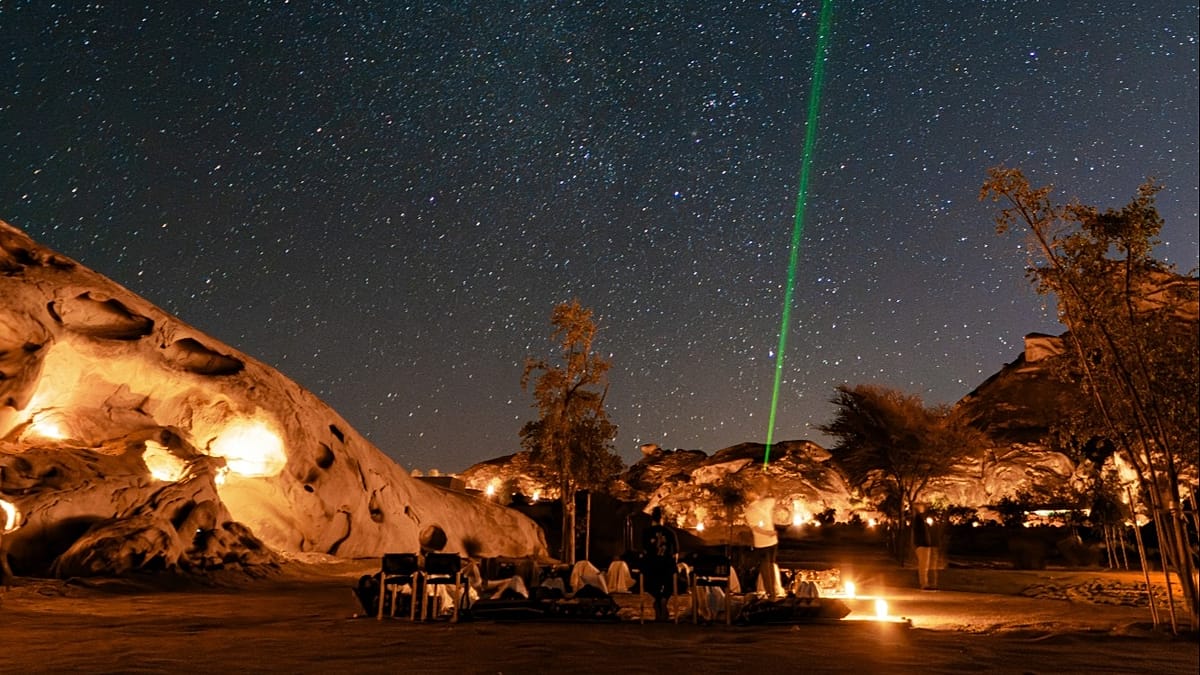
Hotel Plesnik sits nestled in a protected glacial basin near Slovenia's Kamnik-Savinja Alps, where it earned recognition as the "Best Boutique Hotel in the World" in 2016. The 42-room Alpine retreat now leads a quiet revolution in mountain cuisine through its rigorous zero-waste, hyper-local food philosophy at Restaurant Plesnik.
Chefs craft tasting menus from wild herbs foraged nearby, morels grown behind the hotel, and fermented cottage cheese from neighboring farms. What arrives on guests' plates changes with pasture cycles, alpine summers, and snowfall patterns—a radical departure from typical hotel dining.
The commitment extends beyond the kitchen. Travelers soak in forest-facing saunas, swim in a natural pool pond, and wake to panoramic mountain views that have remained largely unchanged for centuries.
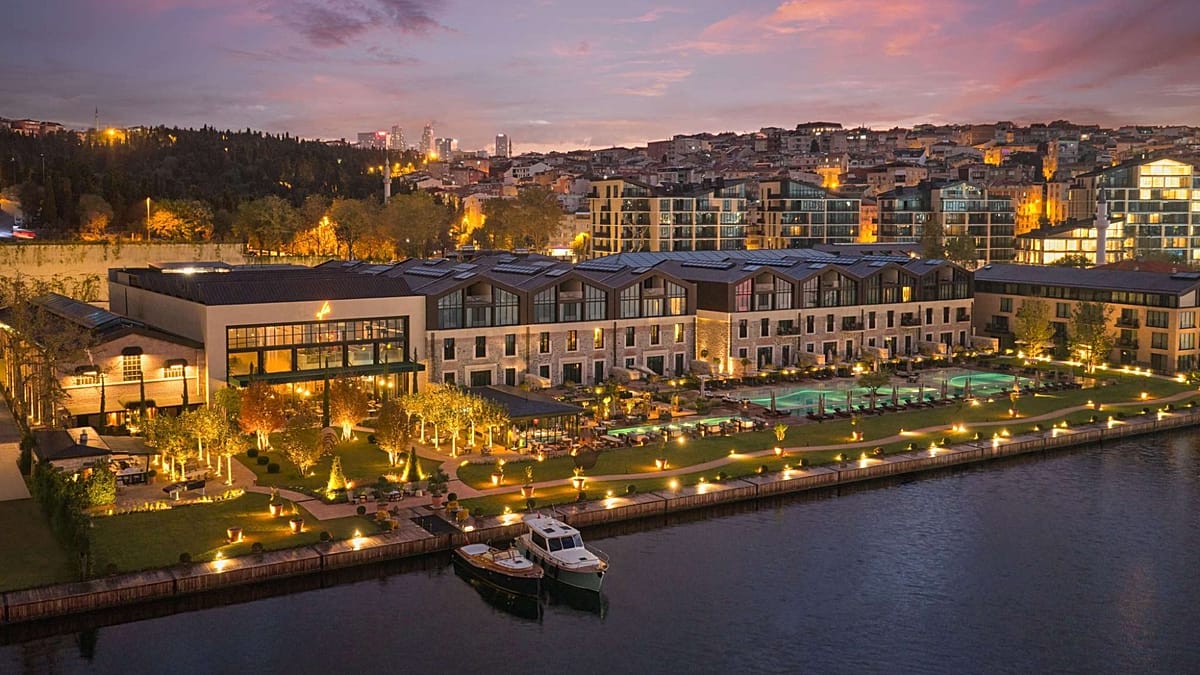
Meanwhile in Istanbul, a military shipyard closed to the public for over a century reopened in September 2025 as Aliée Istanbul. The transformation brought 122 rooms and serviced apartments to the Golden Horn waterfront, complete with lagoon-style pools and a 43,000-square-foot spa featuring Turkish hammams and personalized wellness programs.
The hotel's courtyard showcases Ottoman-era stone walls beneath a soaring glass roof, now home to rotating art installations. Guests access the water by private boat and can take rowing lessons on the historic waterway.
In Amsterdam, the Art Zoo Museum turns taxidermy into theatrical art inside a 17th-century canal house. Visitors marvel at a 16-foot crocodile and leaping cheetahs while stepping inside custom-made cages—a reversal that challenges how humans view wildlife and responsibility.
Every piece comes from zoo animals that died naturally, maintaining strict ethical standards while creating what feels like a modern cabinet of wonders.
Poland's Blow Up Hall takes a different approach to immersive experience. The converted 19th-century brewery in Poznań eliminated reception desks, room keys, and even room numbers. Guests receive an iPhone upon arrival to find and unlock their minimalist rooms, each surrounded by rotating installations from artists like Rafael Lozano-Hemmer.
The Ripple Effect
These destinations share something beyond stunning design: they're redefining what progress looks like in hospitality. Hotel Plesnik's zero-waste kitchen influences how other mountain retreats think about sourcing. Aliée Istanbul shows how industrial heritage sites can transform into community gathering spaces. Art Zoo Museum proves ethical taxidermy can educate while entertaining.
Even Malmö's Love skateboarding park—recreated from Philadelphia's demolished original using the Latin "spolia" tradition of repurposing materials—functions as what locals call a "Third Space" where communities naturally gather.
These aren't just beautiful places to visit; they're working models for how tourism can honor history, protect environments, and bring people together without compromising on experience or accessibility.
More Images


Based on reporting by Euronews
This story was written by BrightWire based on verified news reports.
Spread the positivity!
Share this good news with someone who needs it