5 Scientific Breakthroughs Changing Lives in 2026
From hair-based toothpaste that repairs enamel to gene therapy saving newborns, 2026 is delivering scientific wins that move from lab to real life. These discoveries tackle problems humans have faced for generations.
Scientists are finally delivering breakthroughs that actually reach people, not just lab benches. In 2026, research is transforming into real solutions for health, conservation, and sustainability at a pace we've never seen before.
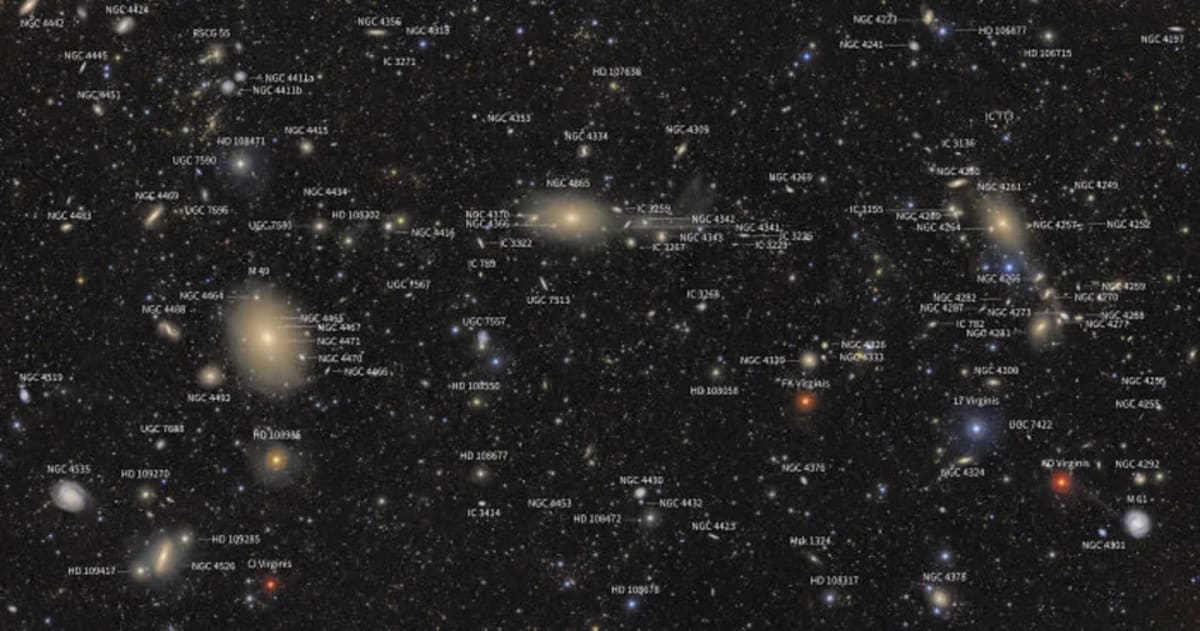
The year started with astronomers launching the Vera C. Rubin Observatory, a telescope that films the entire southern sky every few nights instead of zooming in on single objects. In its first months, it already spotted a new interstellar comet and thousands of near-Earth asteroids while building an unprecedented 3D map of the cosmos.
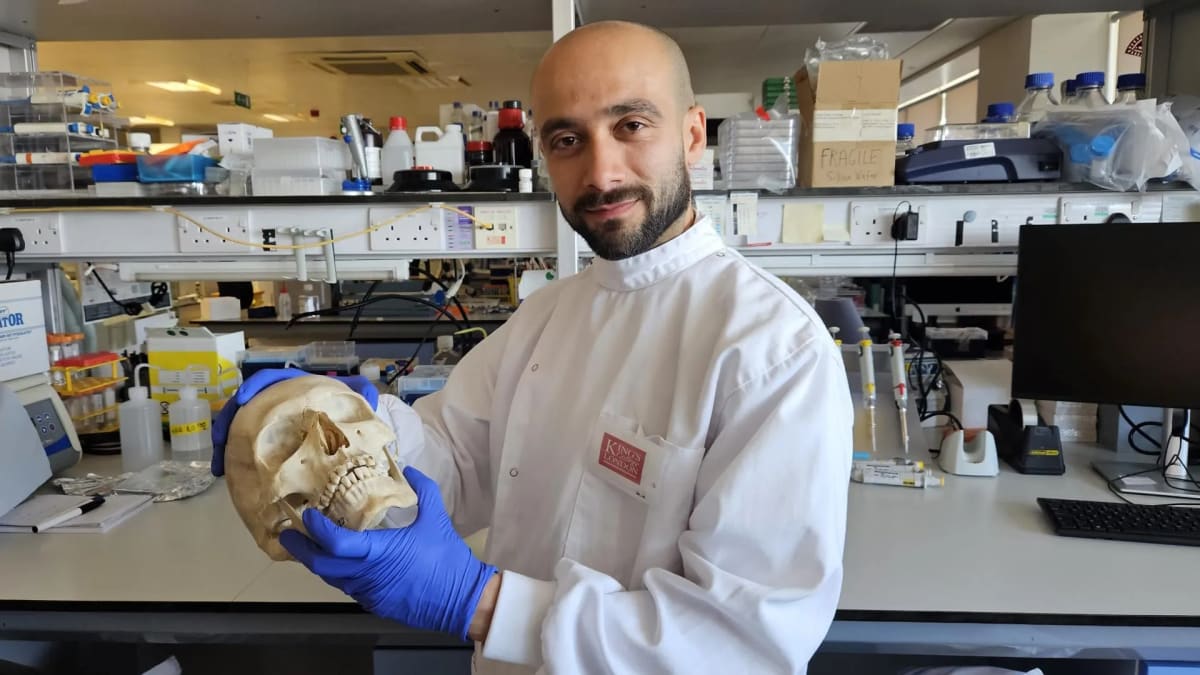
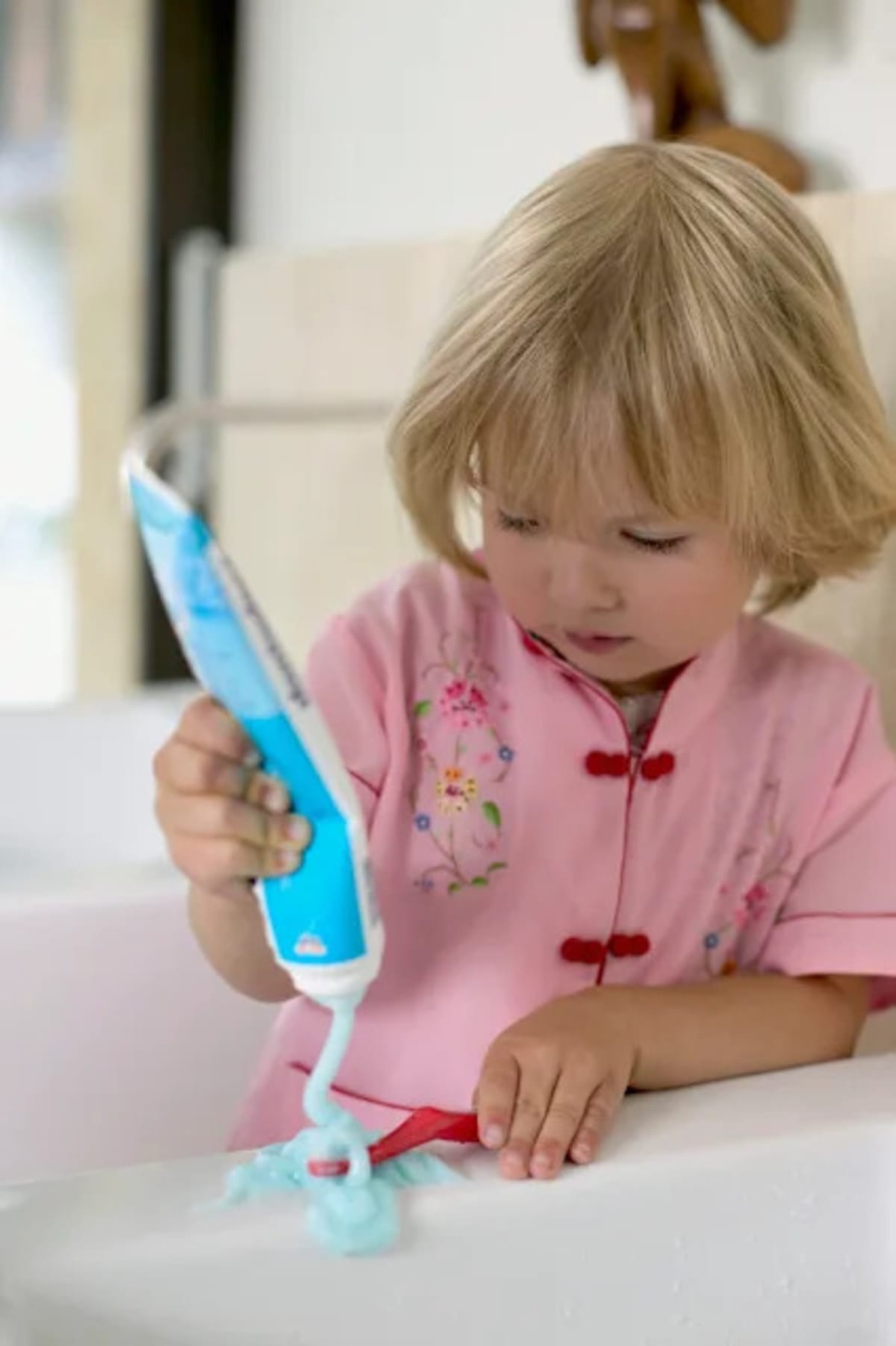
Back on Earth, researchers at King's College London created something unexpected: toothpaste made from hair. The keratin protein found in hair and wool actually helps repair tooth enamel, which normally can't regenerate once it's damaged. When keratin mixes with minerals in saliva, it forms a protective coating almost identical to natural enamel, and it should reach stores within three years.
Meanwhile, Berkeley Lab scientists engineered a yeast that turns human urine into hydroxyapatite, the same mineral that makes up bones and teeth. This breakthrough could create affordable materials for dental implants and bone grafts while solving wastewater problems. The process could eventually replace a significant chunk of the world's fertilizer production, which currently uses 1% of global energy.
In conservation news, Colossal Biosciences achieved something controversial but groundbreaking. By editing 20 genes in gray wolf DNA, they created the first animals with dire wolf traits: two males born in October 2024 and a female in January 2025. While not identical to extinct dire wolves, these pups prove we can potentially restore ecological functions lost thousands of years ago.
The Ripple Effect
The most life-changing breakthrough involves gene therapy for newborns. A baby boy named KJ Muldoon became the first person ever to receive personalized CRISPR treatment for a life-threatening metabolic condition that previously required transplants. His treatment opened doors for countless families facing similar diagnoses.
Each discovery connects to the next. Sustainable materials from waste, restored species helping ecosystems, accessible dental care, and life-saving treatments for babies all emerged in the same window of innovation. The common thread isn't just advanced technology but scientists committed to solving real problems for real people.
These aren't distant promises anymore. They're working solutions landing in 2026, proving that breakthrough science can finally keep pace with human need.
More Images


Based on reporting by Google: scientific discovery
This story was written by BrightWire based on verified news reports.
Spread the positivity!
Share this good news with someone who needs it