5 States Lead U.S. Energy Storage Boom to 175,000 MWh
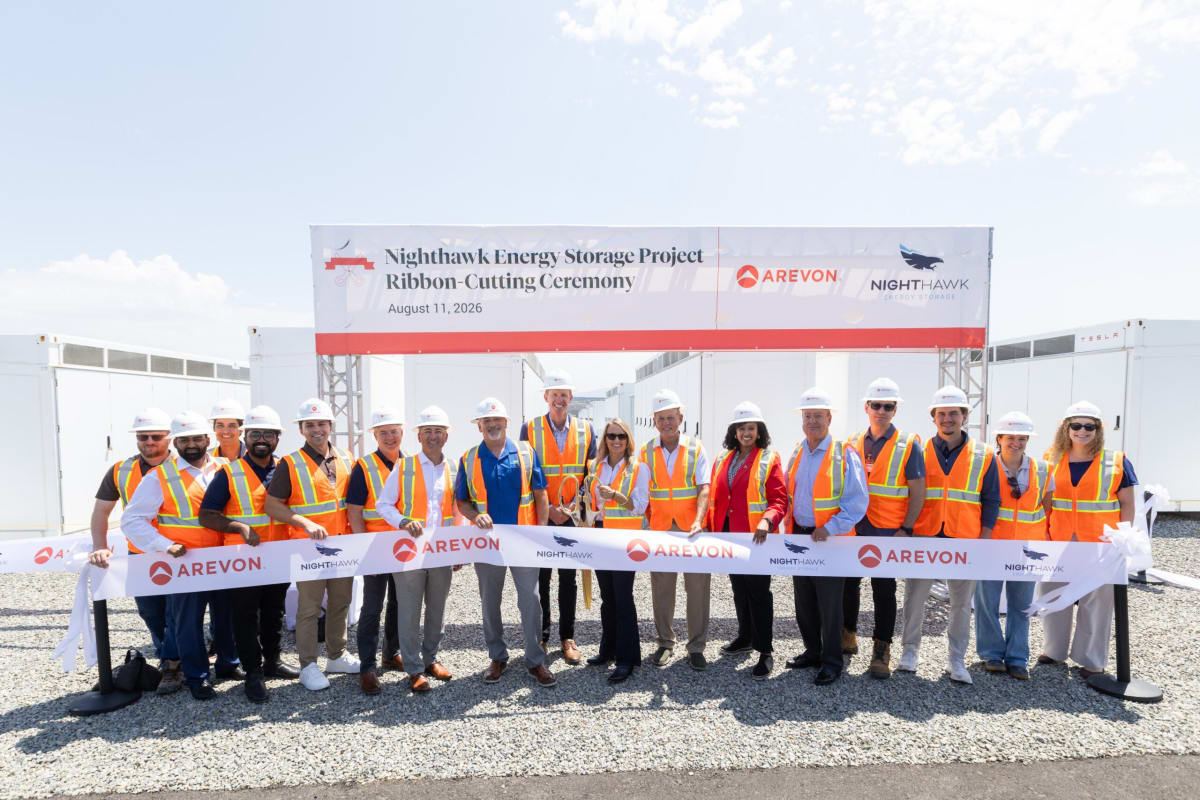
America's energy storage capacity has exploded from 6,000 to 175,000 megawatt-hours in just six years, enough to power 5 million homes for a full day. Five states are showing the country how battery storage keeps electricity reliable and affordable as demand soars.
📺 Watch the full story above
Flip a light switch, and the power flows. But behind that simple action, America's electric grid just pulled off something remarkable.
In 2020, the United States had 6,000 megawatt-hours of energy storage capacity. Today, that number has rocketed to 175,000 MWh, a nearly 30-fold increase in just six years. That's enough stored power to keep over 5 million homes running for an entire day on a single charge.
Energy storage works like a massive battery for the grid. It stores electricity when it's cheap and plentiful, then releases it during peak demand to prevent price spikes and blackouts. As data centers multiply and summers get hotter, this technology is becoming essential to keeping America's lights on.
Five states are leading the charge, and their success stories offer a roadmap for the rest of the country.
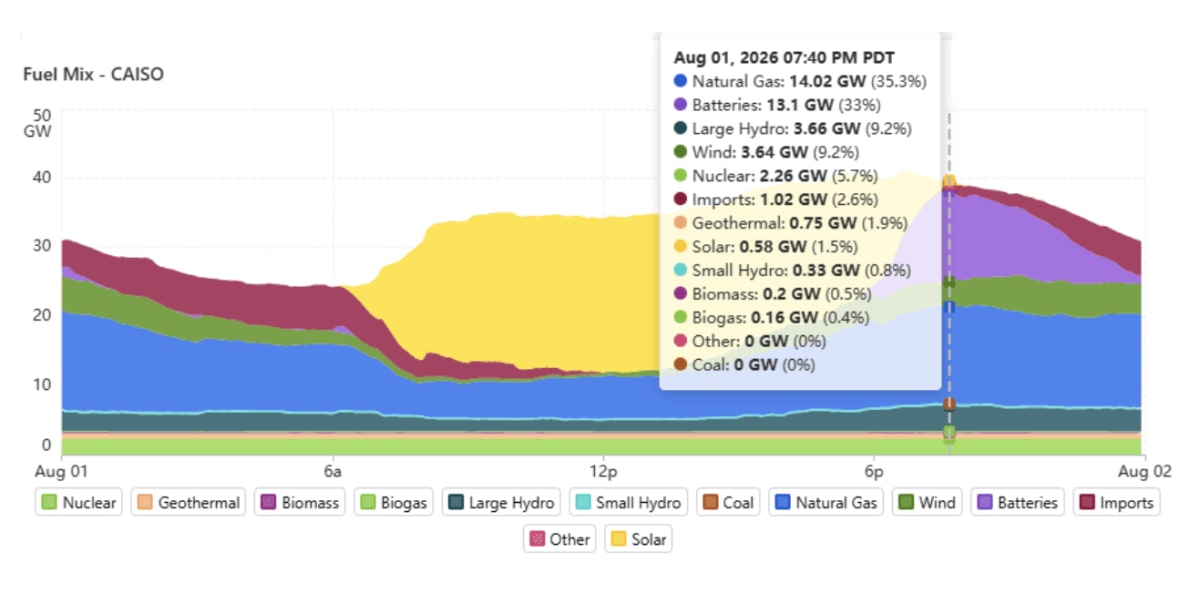
California started the movement in 2010 with the nation's first storage target of 1,825 megawatts by 2024. The Golden State didn't just meet that goal. It shattered it, now boasting over 21,000 MW of capacity. On August 1, 2026, California's batteries supplied one-third of the entire state's power demand during evening hours.
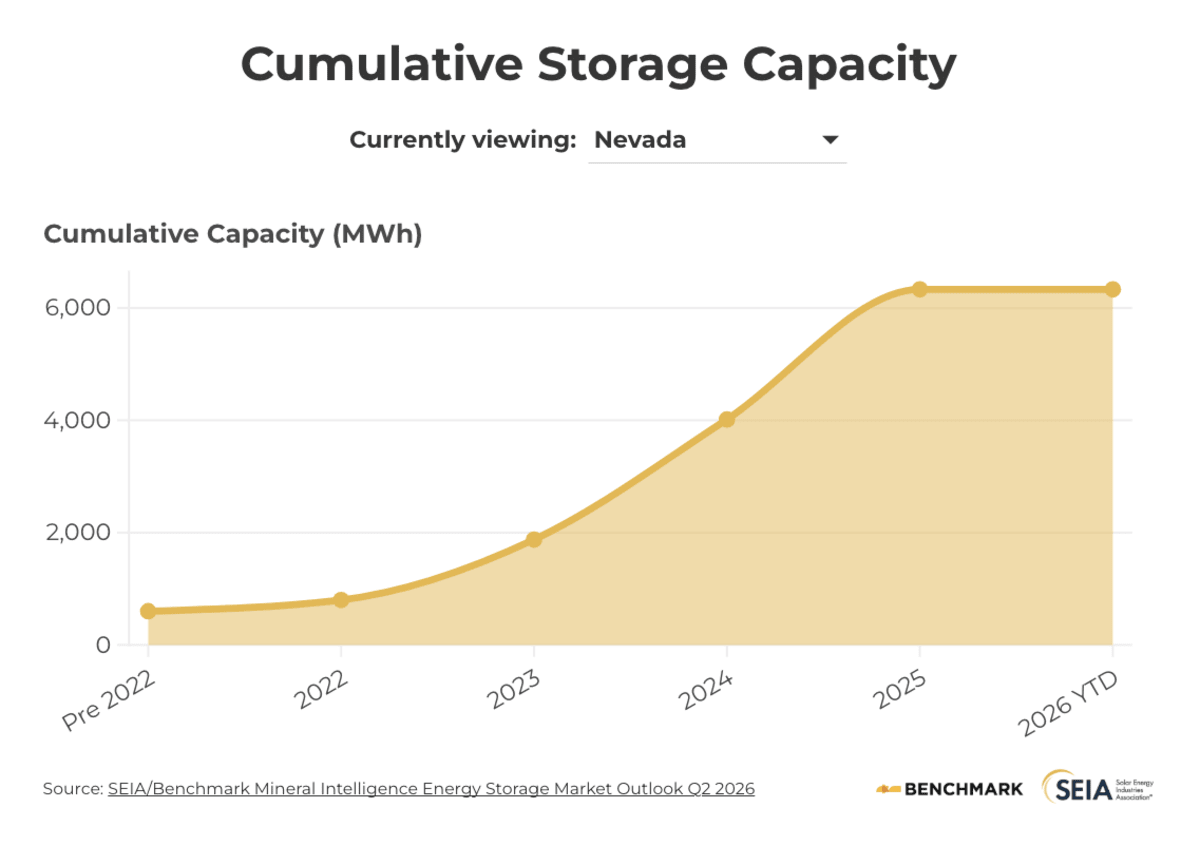
Nevada shows how energy storage brings both parties together. Republican Governor Brian Sandoval signed the state's storage standard in 2017, and both Republican and Democratic governors have supported it since. Nevada aimed for 1,000 MW by 2030 but already has 1,700 MW, ranking fourth nationally.
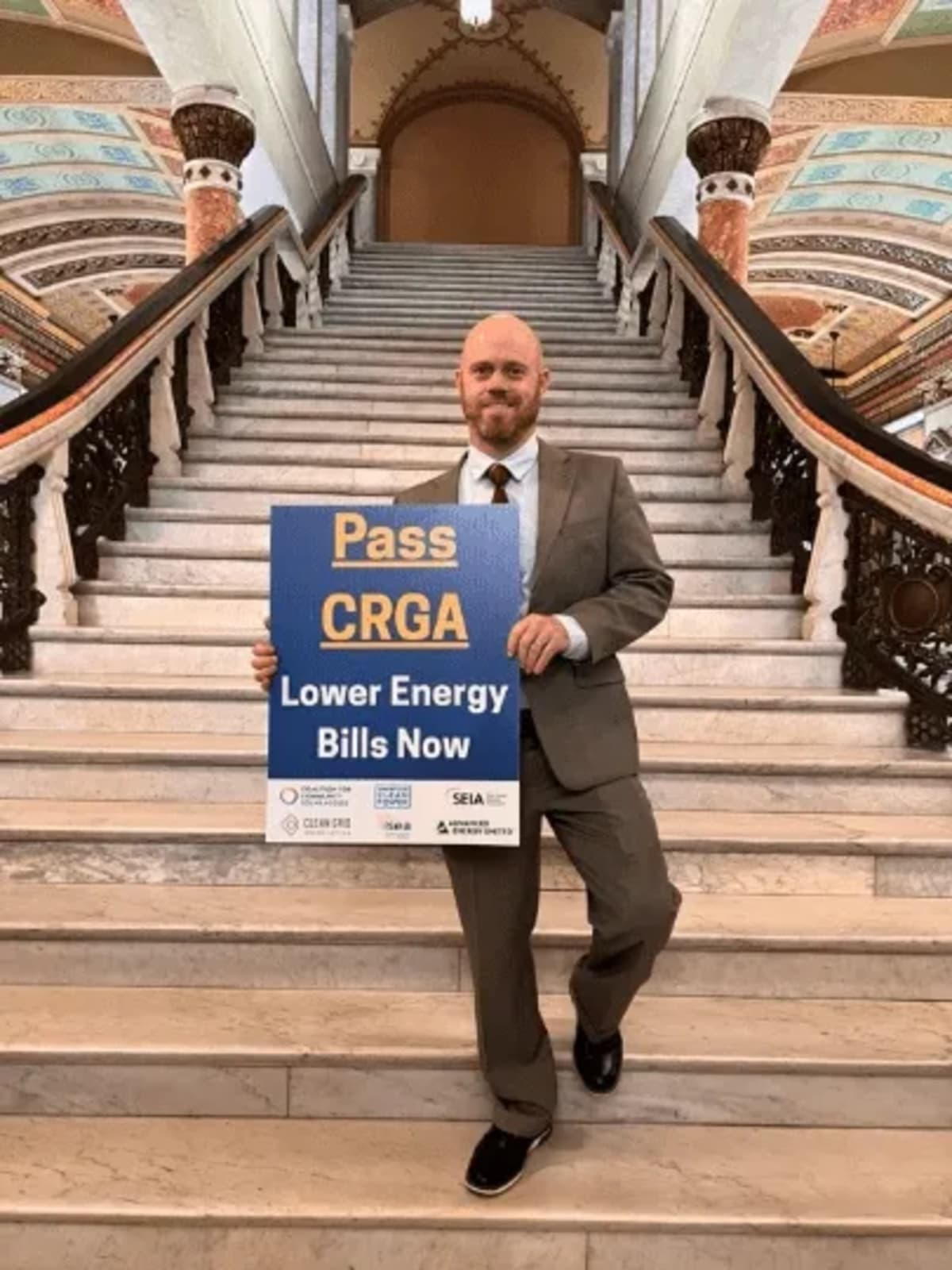
Illinois is betting big on affordability. The Clean and Reliable Grid Affordability Act directs the state to build 3,000 MW of storage by 2030. Experts project this will save Illinois families and businesses $13.4 billion in electricity bills over the next 20 years.
Virginia expanded its storage targets in 2026 as data centers drove electricity demand skyward. The state now aims for 16,780 MW of short-duration storage by 2040 and 4,520 MW of long-duration storage by 2045.
Massachusetts surpassed its 2025 goal of 1,000 MWh last year and now has over 1,500 MWh installed. Governor Maura Healey is building on her predecessor's foundation, proving that energy storage creates bipartisan wins.
The Ripple Effect
These five states aren't alone anymore. Georgia's Public Service Commission unanimously approved plans for 1,500 MW of new storage in 2025. Texas has become the nation's second-largest storage market, proving that when states invest in batteries, the entire grid gets stronger.
The strategy works because storage gives states flexibility. When demand spikes during heat waves or cold snaps, batteries kick in to prevent blackouts and price surges. When renewable energy produces more power than needed, batteries store it for later instead of wasting it.
The technology is also creating jobs, reducing emissions, and proving that reliable electricity doesn't have to mean expensive electricity.
From coast to coast, states are discovering that energy storage isn't just about preparing for tomorrow's challenges. It's about solving today's problems while building a grid that works better for everyone.
More Images

Based on reporting by CleanTechnica
This story was written by BrightWire based on verified news reports.
Spread the positivity!
Share this good news with someone who needs it