5-Year-Old's Texas Discovery Reveals Rare Armored Dinosaur
A family outing near a shopping center in Mansfield, Texas turned into a paleontological treasure hunt when a curious kindergartener spotted fossils that scientists later identified as a 100-million-year-old nodosaur. What started as a child's innocent curiosity became a scientifically significant discovery of one of North America's rarest armored dinosaurs.
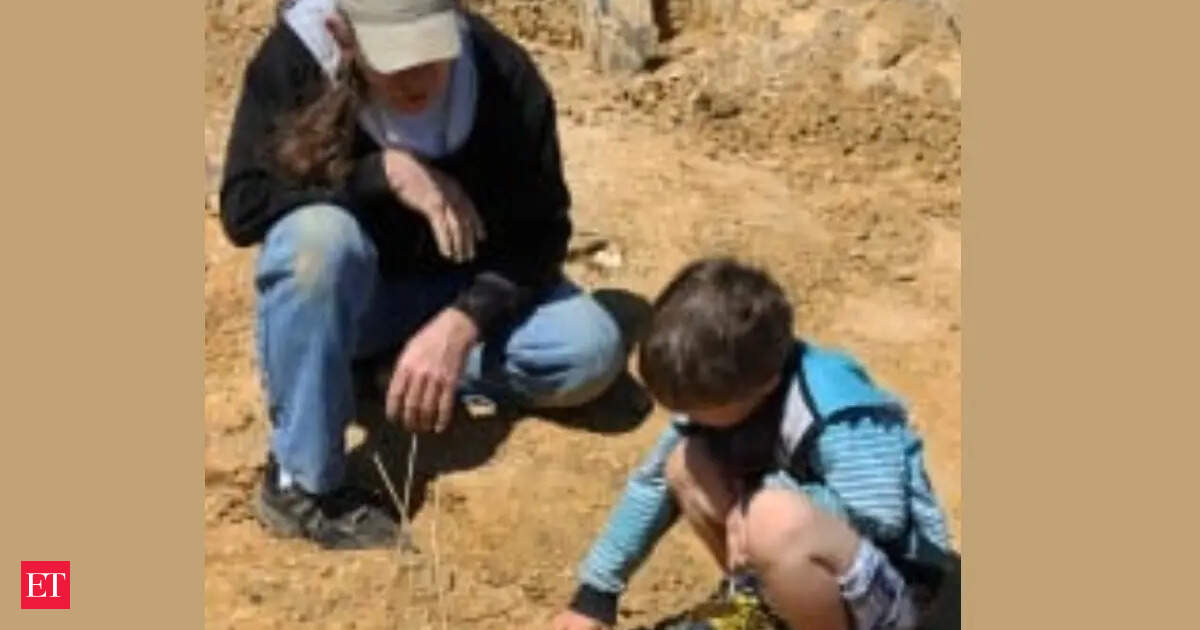
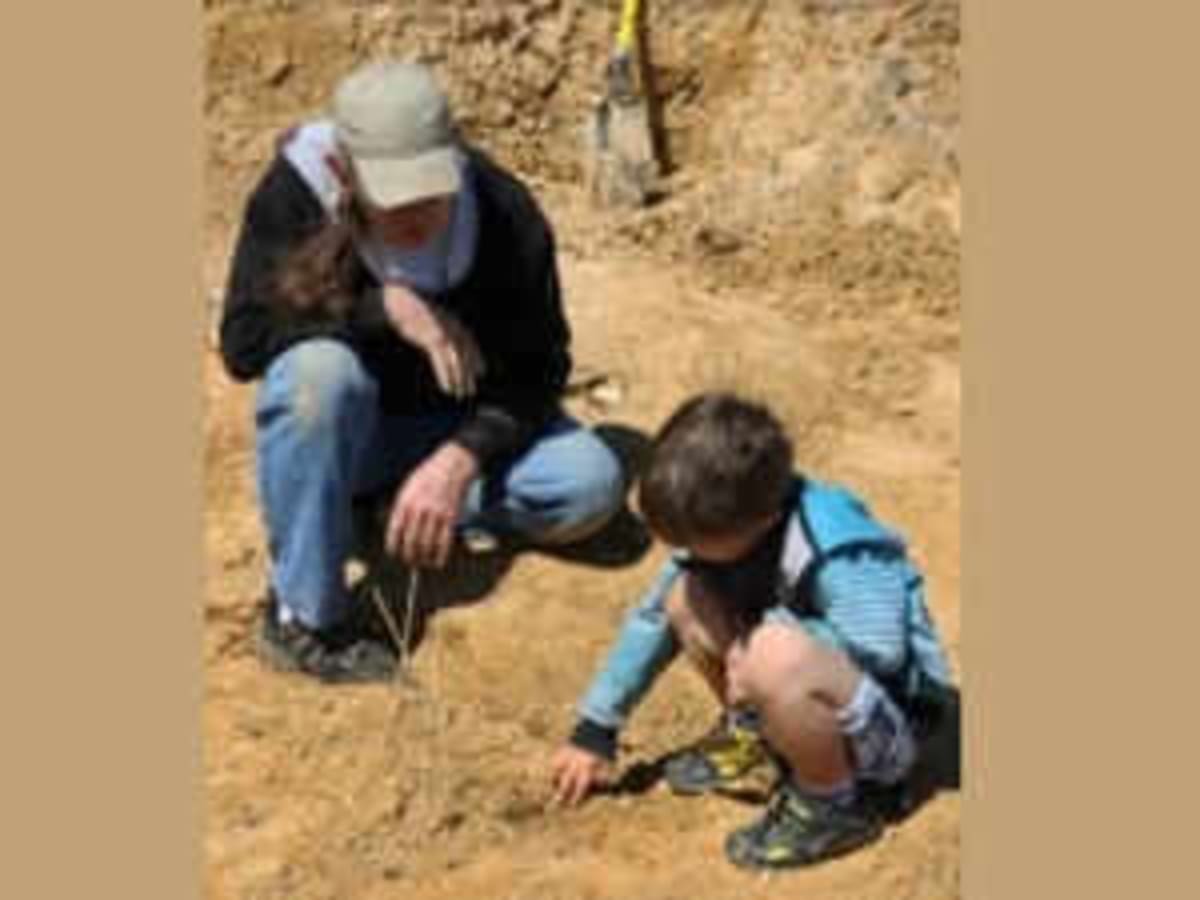
When 5-year-old Wylie Brys spotted something strange poking out of the ground near a Texas construction site in 2014, he had no idea he'd just made one of the state's most exciting dinosaur discoveries. His father Tim, a Dallas zookeeper, recognized the find deserved a closer look.
The family initially thought they'd found turtle remains. But when they contacted researchers at Southern Methodist University, the fossils told a much more ancient story.
Paleontologists determined the bones likely belonged to a nodosaur, a tank-like herbivore that roamed North America during the Cretaceous period roughly 100 million years ago. These rare armored dinosaurs defended themselves with thick bone plates covering their bodies, unlike their club-tailed cousins the ankylosaurs.
The discovery happened in the most unexpected place. Instead of a remote desert dig site, these prehistoric remains surfaced in suburban Mansfield, right near a shopping development where families shop for groceries.
When excavation teams returned to investigate further, they uncovered additional fossils including part of the dinosaur's upper leg bone. The specimens were carefully transported to SMU's Shuler Museum, where experts began the painstaking work of analysis and classification.
Why This Inspires
Nodosaur fossils are notoriously difficult to find and identify because they're often fragmented. According to research published in Scientific Reports, these discoveries provide crucial information about species that remain poorly understood despite decades of paleontological work.
Texas has become an increasingly rich source of dinosaur fossils, particularly at construction sites where development exposes ancient geological layers. SMU researchers have previously studied armored dinosaurs from the Eagle Ford Group in Texas, giving them comparison material for the Brys family find.
What makes this story special isn't just the scientific value. It's the reminder that extraordinary discoveries can happen anywhere, sparked by anyone with curiosity and attention to their surroundings.
Young Wylie's willingness to stop and examine something unusual turned an ordinary family outing into a contribution to our understanding of prehistoric life. His find joined other Texas nodosaur discoveries, helping scientists piece together the puzzle of these mysterious armored creatures.
The Mansfield nodosaur now helps researchers understand how these dinosaurs lived, moved, and survived in ancient North America. Every fragment adds detail to a picture that's been 100 million years in the making.
Sometimes the biggest scientific breakthroughs start with the smallest observers asking the simplest question: what's that?
More Images



Based on reporting by Google: fossil discovery
This story was written by BrightWire based on verified news reports.
Spread the positivity!
Share this good news with someone who needs it