50 Cities Unite to Beat Extreme Heat With Shared Solutions
More than 50 mayors from Athens to the Arctic Circle are joining forces to protect citizens from deadly heatwaves through tested cooling strategies. The UN initiative shares real solutions as extreme heat becomes Earth's deadliest climate threat.
When temperatures in Antalya, Turkey hit 46°C last July, officials knew something had changed forever. The Mediterranean city of 2.6 million people was used to heat, but not heatwaves this long, this intense, or this dangerous.
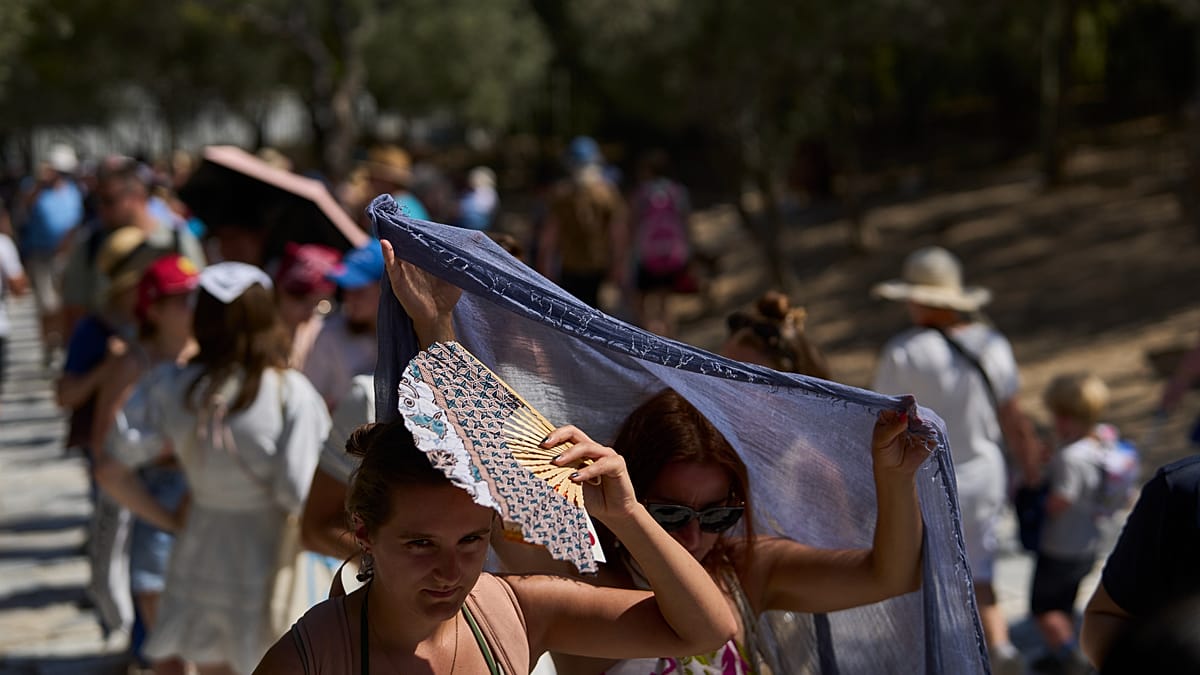
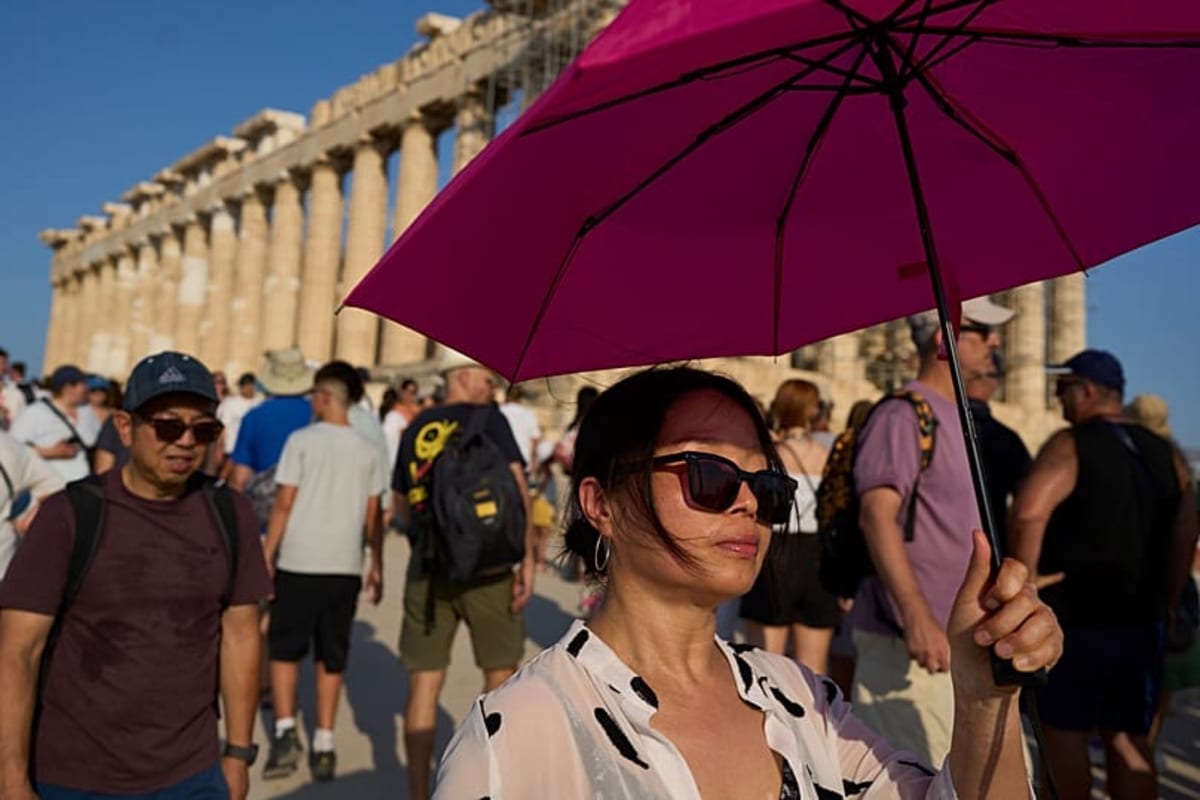
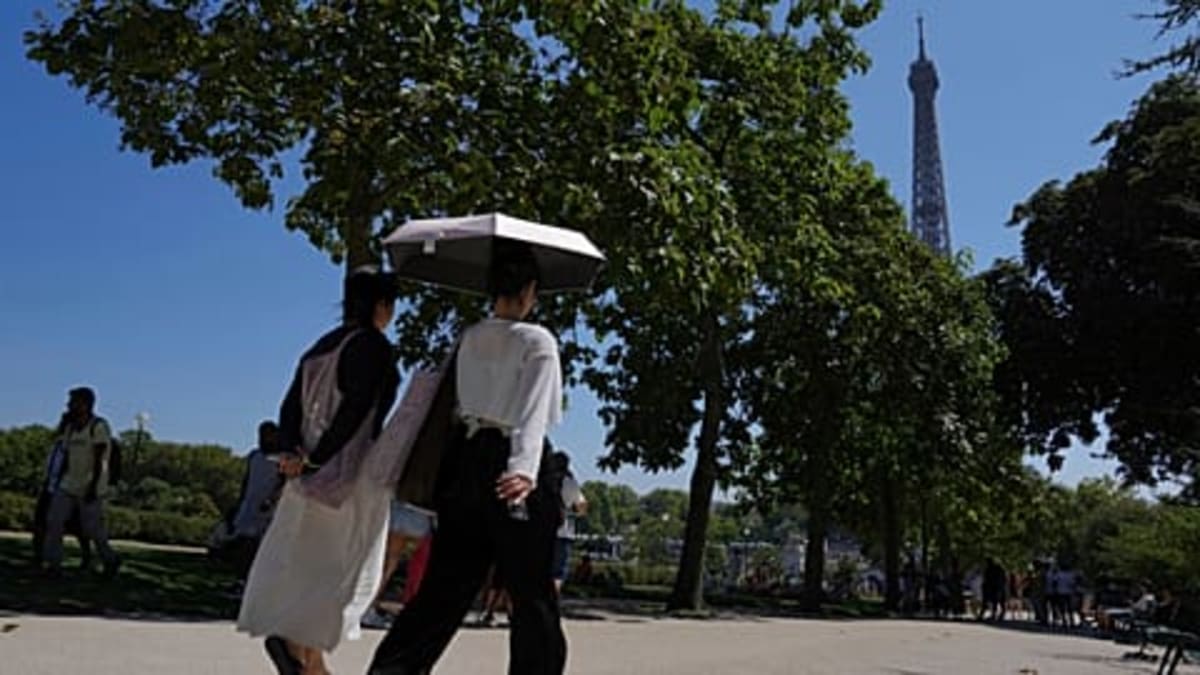
Extreme heat now kills nearly half a million people worldwide every year, making it the deadliest climate hazard on Earth. Europe's May heatwave saw French temperatures run 15 degrees above normal, breaking spring records and causing deaths across the continent.
Now 50 cities are fighting back together. On World Environment Day, mayors from Athens to Oulu, Finland launched the UN's new '50@50' initiative to share tested solutions and protect their citizens before the next heatwave strikes.
The approach starts with mapping. Antalya used the EU-supported CLIMAAX-MUHIR project to identify exactly where extreme heat and vulnerable populations meet, and the results were striking. The city's highest-risk heat zones overlap almost perfectly with where people actually live, even though built-up areas cover just 2.56 percent of the territory.
"That tells us where to act first," says Melike Kireçcibaşı, Head of Antalya's Climate Change Department. The city developed a Heat Action Plan directing cooling infrastructure, shade, green spaces and early warning systems to the neighborhoods that need them most.
Athens is taking a similar path. The city created an Urban Heat Atlas to guide the redevelopment of Elaionas, one of its most vulnerable districts, where a massive 215,000-square-meter park is rising. Since 2024, Athens has planted more than 12,400 trees, with progress tracked in real time through a public digital platform that builds citizen trust and engagement.
Paris is sharing its simulation exercise across the network, helping a dozen cities stress-test their systems against temperatures they haven't experienced yet but scientists say they will. "Cities must act together to anticipate extreme heat and protect their residents," says Paris Mayor Emmanuel Grégoire.
The Ripple Effect
Perhaps the most powerful sign of progress comes from near the top of the world. Oulu, Finland sits close to the Arctic Circle, yet even this northern city has joined the fight against extreme heat. The collaboration proves no place is too small or too cold to prepare, and every solution shared makes every city stronger.
The initiative shows what's possible when cities stop going it alone and start learning from each other's wins.
More Images

Based on reporting by Euronews
This story was written by BrightWire based on verified news reports.
Spread the positivity!
Share this good news with someone who needs it