50 Indigenous Women Beekeepers Earn New Income in India
Indigenous women in India's Western Ghats are gaining financial independence through a UNESCO beekeeping project that's safer and more profitable than traditional honey hunting. The initiative has a 100% retention rate and is expanding to other regions.
Fifty Indigenous women in southern India are building new livelihoods one beehive at a time, earning steady income while protecting local ecosystems.
The Women for Bees project launched in April 2025 across Tamil Nadu and Kerala, training women from the Irula, Kurumba, and Kattunayaka communities. UNESCO partnered with the Keystone Foundation to teach managed beekeeping as an alternative to wild honey hunting, which carries serious risks and faces increasing forest protection restrictions.
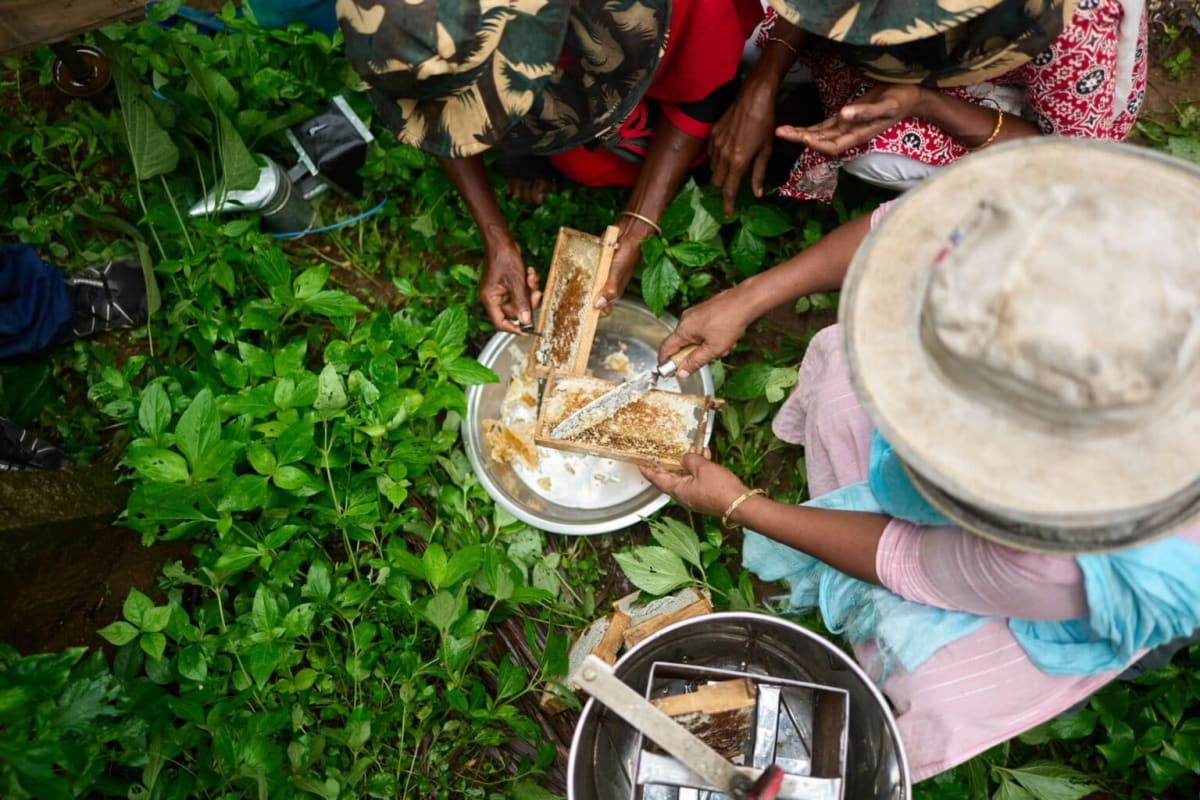
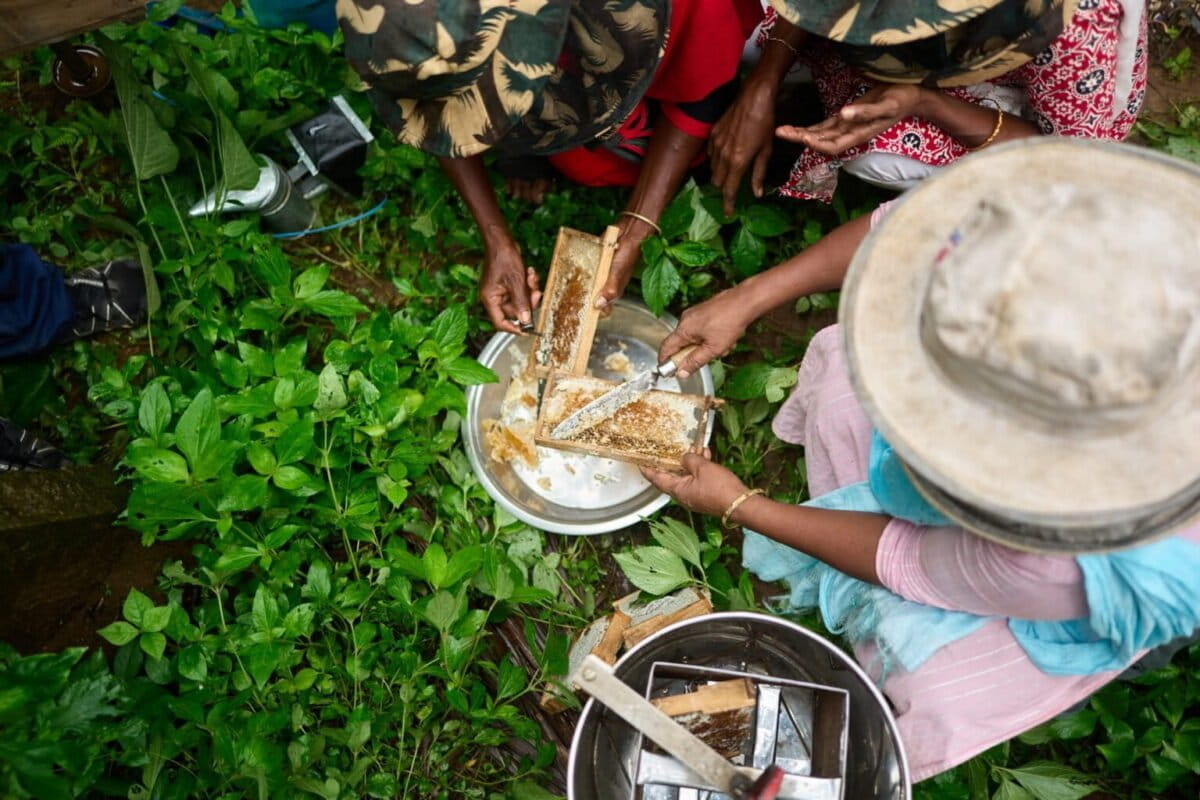
The women learn to raise native Asian honey bees, which resist local diseases better than commercial European varieties. Using wooden hive boxes instead of climbing trees or cliffs, they harvest honey safely and predictably throughout the season.
For many participants, the income means freedom. Neelavathi, an Irula woman from Tamil Nadu, now buys household goods with her earnings. "Since I am the beekeeper at home, my family lets me keep the income for my own needs," she says.
The honey sells well, with some women commanding premium prices for their harvests. Studies show that Asian honey bees boost crop yields for plants like bitter gourd, and several beekeepers report noticing more flowers and better fruit harvests on neighboring farms.
The project strengthens communities too. Lakshmi Babu, a Kattunayaka woman from Kerala's Nilambur Elephant Reserve, says neighbors now gather to share tips and support each other. "Bees have brought a lot of joy into my life," she explains. "The bees work hard and take very good care of those who care for them."
The Ripple Effect
Every woman who joined the program still participates, a rare 100% retention rate. The success shows how environmental solutions can create economic opportunity when they respect local knowledge and empower communities. UNESCO plans to expand the model to other biosphere reserves, potentially helping hundreds more women gain financial independence while supporting biodiversity in one of the world's most important ecosystems.
Women who once risked their lives climbing trees for honey now run sustainable businesses from their own land.
More Images
Based on reporting by Mongabay
This story was written by BrightWire based on verified news reports.
Spread the positivity!
Share this good news with someone who needs it