50+ Nigerian Leaders Sign Historic Interfaith Peace Accord
More than 50 Christian and Muslim leaders in Nigeria signed a groundbreaking peace agreement aimed at reducing religious tensions and building cooperation. The accord establishes a new body to promote interfaith dialogue in a country that's endured years of religious conflict.
Religious leaders across Nigeria just took a major step toward healing a deeply divided nation.
On August 12, more than 50 Christian and Muslim leaders gathered in Abuja to sign an interfaith peace accord. The agreement commits them to rejecting hate speech, respecting all faiths, and working together to reduce religious tensions.
The signing represents hope for a country of 200 million people roughly split between a Muslim north and Christian south. For more than a decade, extremist violence has torn communities apart and killed thousands from both faiths.
Muslim World League Secretary-General Mohammad Al-Issa said leaders from both religions were eager to "turn a new page." He acknowledged that extremist ideas have harmed people from all communities.
John Praise Daniel, chairman of the Northern Christian Religious Leaders' Assembly, emphasized the agreement should reduce divisive rhetoric. That includes hate speech and language that labels members of other religions as unbelievers.
Khalid Abubakar, secretary-general of Jama'atu Nasri Islam, stressed that cooperation doesn't require anyone to abandon their religious convictions. The message is clear: you can honor your faith while respecting others.
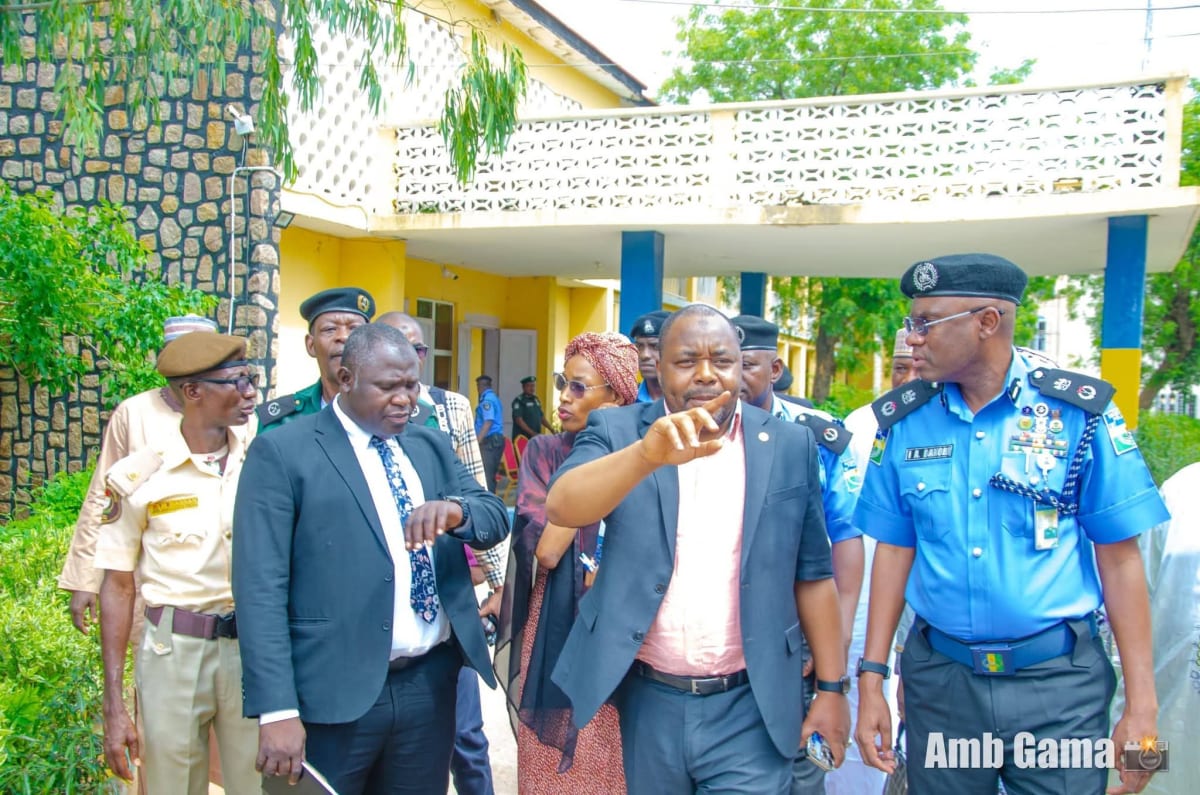
The presence of senior government officials added weight to the ceremony. Deputy Senate President Barau Jibrin represented President Bola Tinubu, while three northern state governors attended.
The accord also creates a new formal body designed to promote ongoing cooperation between Christian and Muslim leaders nationwide. This structure gives the commitment staying power beyond a single signing ceremony.
The Ripple Effect
The impact of this agreement could extend far beyond the leaders who signed it. Religious figures hold enormous influence in their communities, and their words shape how millions of people think about their neighbors.
When pastors, priests, and imams model respect and cooperation, they counter extremist narratives that fuel fear and mistrust. That kind of grassroots change can prevent local tensions from escalating into communal violence.
The timing matters too. Nigeria approaches its January 2027 presidential election, when religious identity typically plays a significant role in national politics.
Importantly, leaders from both faiths acknowledged that extremist violence has killed Muslims and Christians alike. Boko Haram and ISWAP have repeatedly attacked Muslim civilians, villages, and religious leaders alongside their assaults on Christian communities.
This shared pain creates common ground. When people recognize they're facing the same threats, cooperation becomes not just noble but necessary.
The road ahead remains long, and declarations alone won't end violence or protect vulnerable communities. But when dozens of influential leaders choose dialogue over division, they light a path forward for millions.
Based on reporting by Google News - Peace Agreement
This story was written by BrightWire based on verified news reports.
Spread the positivity!
Share this good news with someone who needs it