500-Million-Year-Old Fossil Reveals Spider Origins
A scientist cleaning a fossil after a long teaching day discovered the oldest known ancestor of spiders and scorpions, pushing their evolutionary history back 20 million years. The discovery shows that the complex body plan of modern spiders was already emerging during Earth's most explosive period of evolution.
After a long day of teaching, researcher Rudy Lerosey-Aubril settled in to clean a fossil he'd been meaning to examine. What he found stopped him in his tracks: a claw where no claw should be.
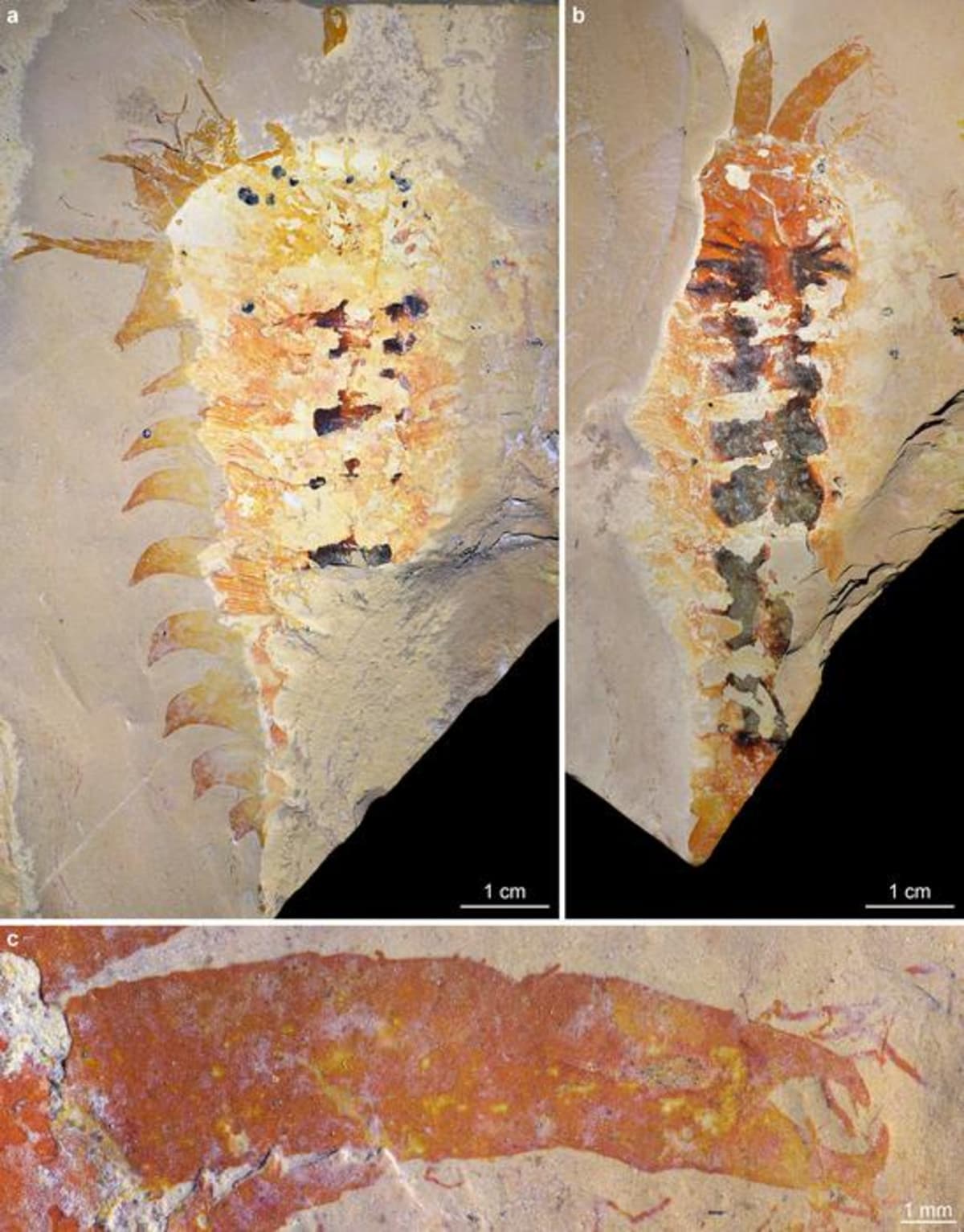
That surprising detail turned out to be the oldest chelicera ever discovered. Chelicerae are the pincer-like feeding appendages that define spiders, scorpions, horseshoe crabs, and their relatives, setting them apart from insects with their grasping, often venomous tools.
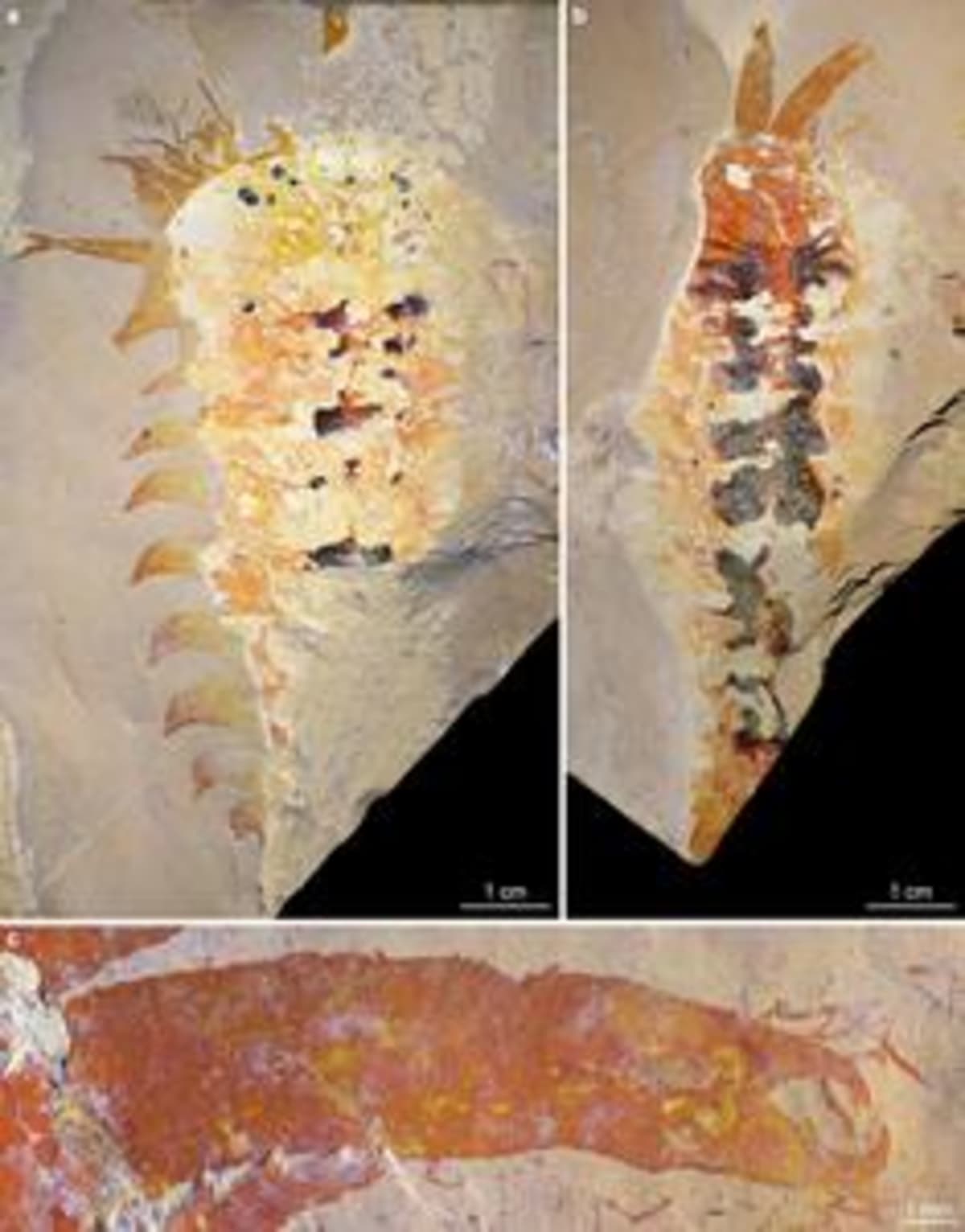
The fossil, named Megachelicerax cousteaui after ocean explorer Jacques Cousteau, lived 500 million years ago in the shallow seas that once covered what is now Utah's West Desert. At just over three inches long, this ancient sea predator preserves remarkable detail: a head shield, nine body segments, six pairs of specialized limbs, and respiratory structures that look remarkably like modern horseshoe crab gills.
Lerosey-Aubril and his colleague Javier Ortega-Hernández from Harvard spent more than 50 hours carefully cleaning the specimen under a microscope. Their patience paid off with a fossil that rewrites the early history of one of Earth's most successful animal groups.
The discovery pushes chelicerate origins back 20 million years earlier than previously known. Before this find, the oldest specimens dated to roughly 480 million years ago in Morocco.
What makes this fossil especially exciting is what it reveals about evolution itself. The creature shows that complex anatomical features we see in modern spiders and horseshoe crabs were already in place during the Cambrian Explosion, when life was evolving at extraordinary speed.
The Bright Side
This discovery shows evolution doesn't follow a simple script. Despite developing sophisticated body plans early on, chelicerates didn't immediately dominate their environment. They remained relatively inconspicuous for millions of years while simpler groups like trilobites thrived, before eventually colonizing land and diversifying into the 120,000 species we know today.
The fossil had been sitting in a museum collection since 1981, donated by avocational collector Lloyd Gunther. It waited decades for the right eyes and the right questions to reveal its significance, a reminder that scientific collections preserve mysteries yet to be solved.
Today's spiders, scorpions, and horseshoe crabs influence our lives in countless ways, from medical advances to ecosystem health. Now we know their remarkable story stretches back even further than we imagined, to the very dawn of complex animal life on Earth.
More Images
Based on reporting by Google: fossil discovery
This story was written by BrightWire based on verified news reports.
Spread the positivity!
Share this good news with someone who needs it
%2Fhttps%3A%2F%2Ftf-cmsv2-smithsonianmag-media.s3.amazonaws.com%2Ffiler_public%2Faa%2F5c%2Faa5cdffc-5bdb-4949-bd7c-03e89903fd60%2Flife_reconstruction_hd.jpg)