500-Million-Year-Old Fossil Rewrites Carbon Storage Science
Scientists discovered preserved organic material in a trilobite fossil from 500 million years ago, proving life's building blocks can survive far longer than anyone thought. The finding changes our understanding of how Earth stores carbon deep underground for millions of years.
A tiny piece of ancient shell just proved that life leaves a longer mark on Earth than scientists ever imagined.
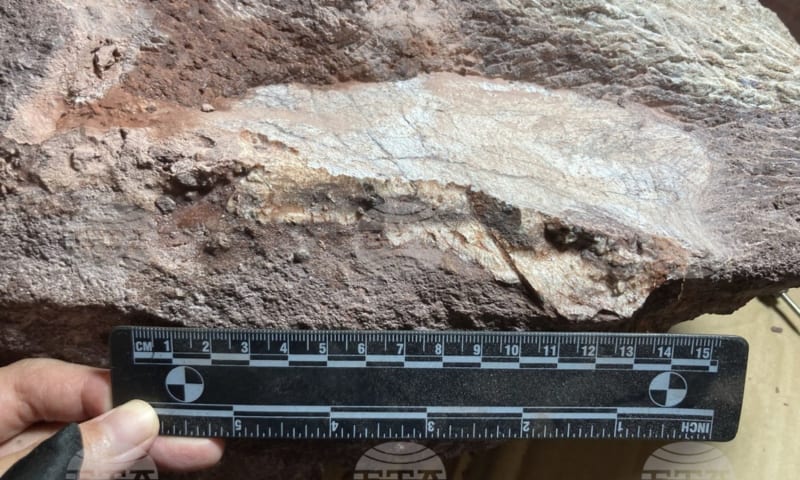
Researchers at the University of Texas at San Antonio found chitin, the tough material that forms shells and insect skins, perfectly preserved inside a trilobite fossil from Death Valley. The fossil is more than 500 million years old, and until now, experts believed organic molecules like chitin would have decayed or transformed completely after such immense stretches of time.
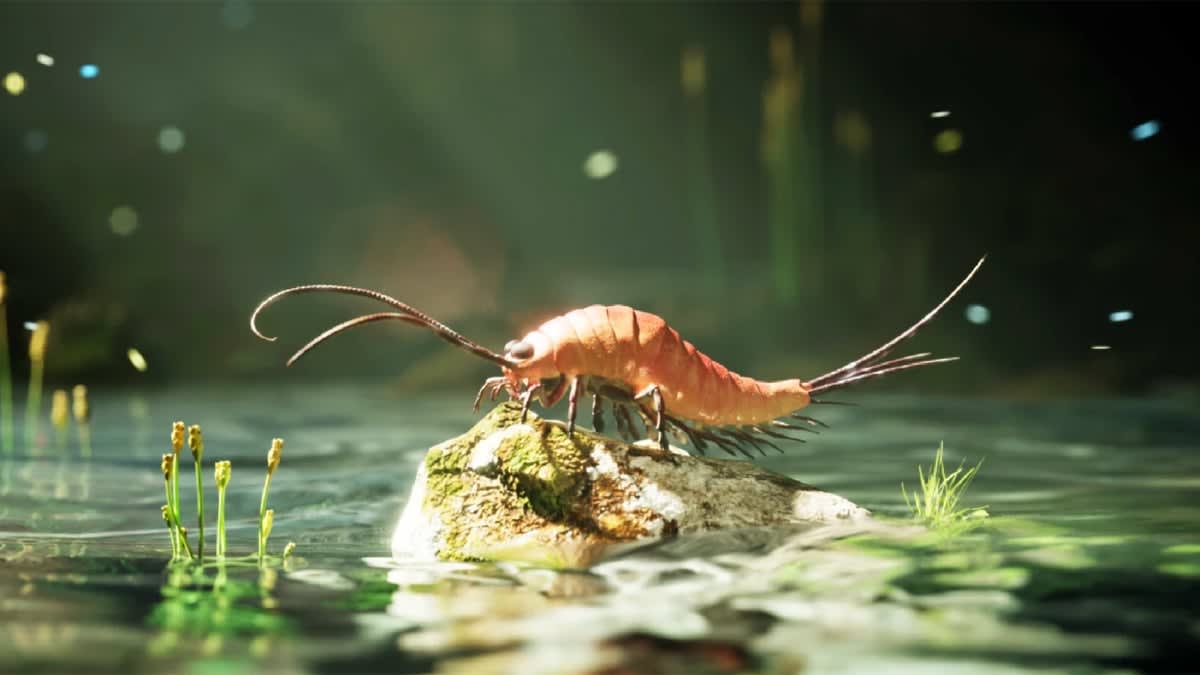
Elizabeth Bailey, the Earth scientist who identified the chemical signature, confirmed the discovery through multiple tests including fluorescent staining and infrared analysis. The trilobite, a marine creature called Olenellus that crawled along ancient ocean floors, kept its original shell polymer intact through half a billion years of burial.
The survival secret came down to timing and minerals. When the trilobite died, minerals quickly seeped into tiny spaces in its shell and hardened, creating a protective seal. That barrier blocked out water, oxygen, and microbes that normally break down organic material within years or decades.
Modern crabs, insects, and countless other creatures build their outer coverings with chitin, making it the second most abundant natural polymer on Earth after cellulose. When chitin decays quickly, its carbon cycles back into the atmosphere, but when it gets trapped in rock, that carbon stays locked away.
Why This Inspires
This discovery opens a window into how our planet manages carbon over deep time. The U.S. Geological Survey tracks how carbon sinks store the element for long periods, and this finding shows that burial can preserve more organic carbon than climate models currently account for.
The research also means thousands of fossils sitting in museums and labs might contain hidden organic treasures. Paleontologists can now search for chitin in other ancient shells, comparing which burial conditions preserve it best and which conditions erase it completely.
Bailey notes that the Carrara Formation shale protecting this trilobite experienced only mild heating during its burial. Hotter conditions during metamorphism typically destroy organic molecules, so finding the temperature breaking point will help scientists predict where else ancient organic material might survive.
The discovery won't solve today's climate challenges, since natural burial works over millions of years while carbon dioxide levels are rising within decades. But understanding how carbon moved through Earth's systems in the past helps researchers build better models for the future.
What started as curiosity about one small fossil in California desert rock has turned into a reminder that Earth keeps better records than we give it credit for. Every ancient shell might hold secrets about how life and rock work together to shape our planet's chemistry across unimaginable spans of time.
Based on reporting by Google: fossil discovery
This story was written by BrightWire based on verified news reports.
Spread the positivity!
Share this good news with someone who needs it