500-Million-Year-Old Fossil Rewrites Spider Origins
A Harvard scientist spotted a tiny claw where an antenna should be and discovered the oldest spider ancestor ever found. The fossil pushes back the origin of spiders, scorpions, and horseshoe crabs by 20 million years.
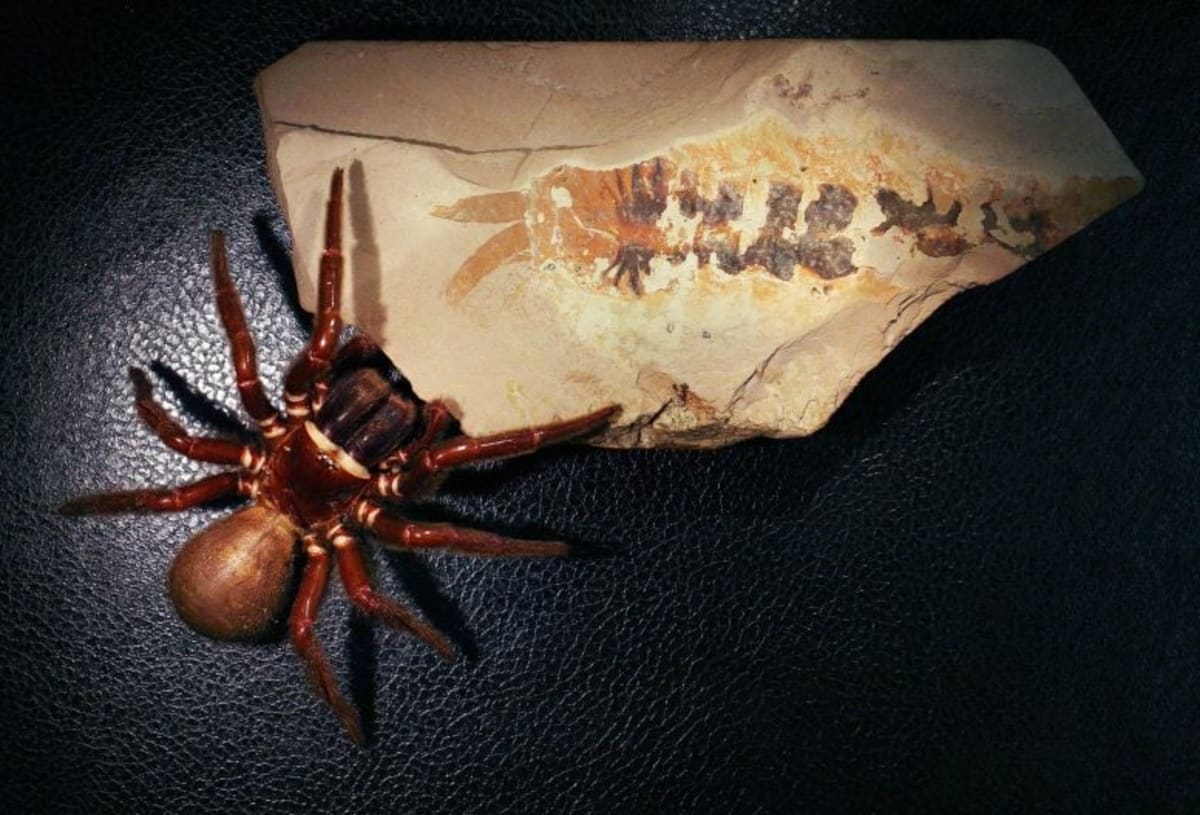
Rudy Lerosey-Aubril was cleaning a fossil after a long day of teaching when he noticed something impossible. Where an antenna should have been, there was a claw.
That small detail turned out to be huge. The Harvard researcher had just discovered the oldest known ancestor of spiders, scorpions, and horseshoe crabs, pushing their origin story back 500 million years to the Cambrian period.
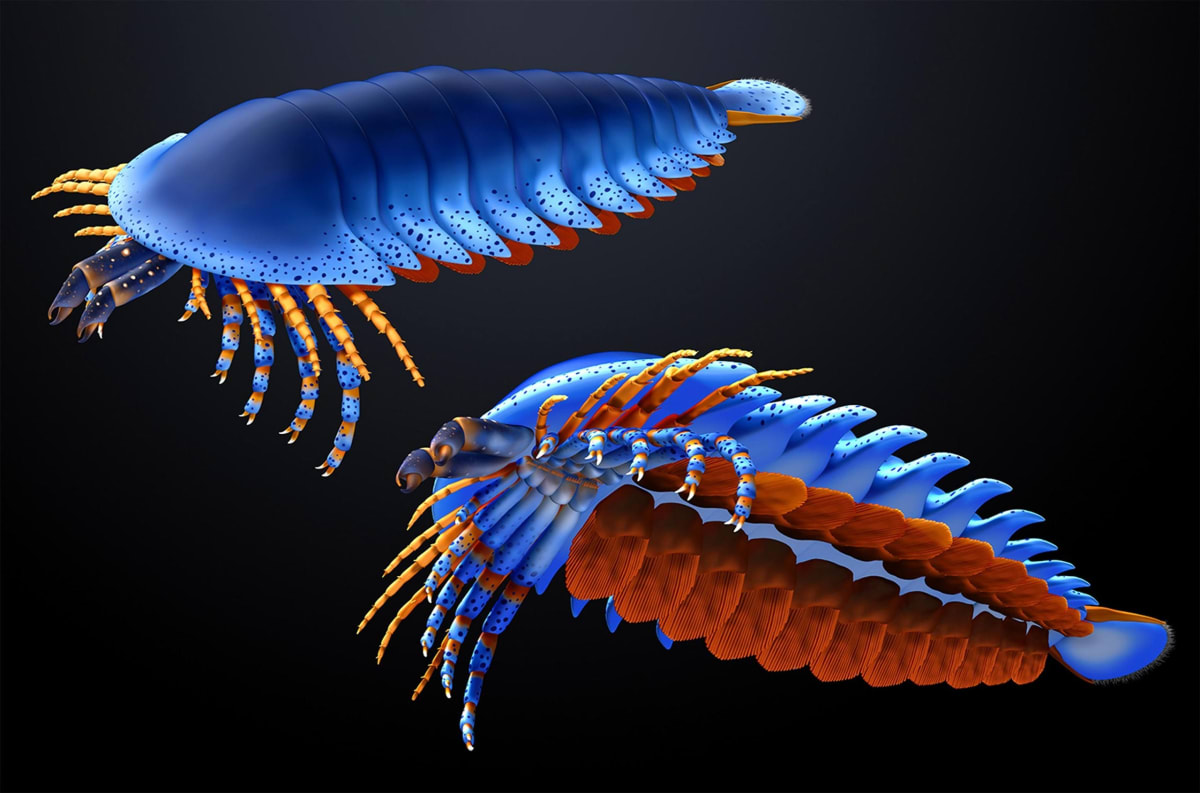
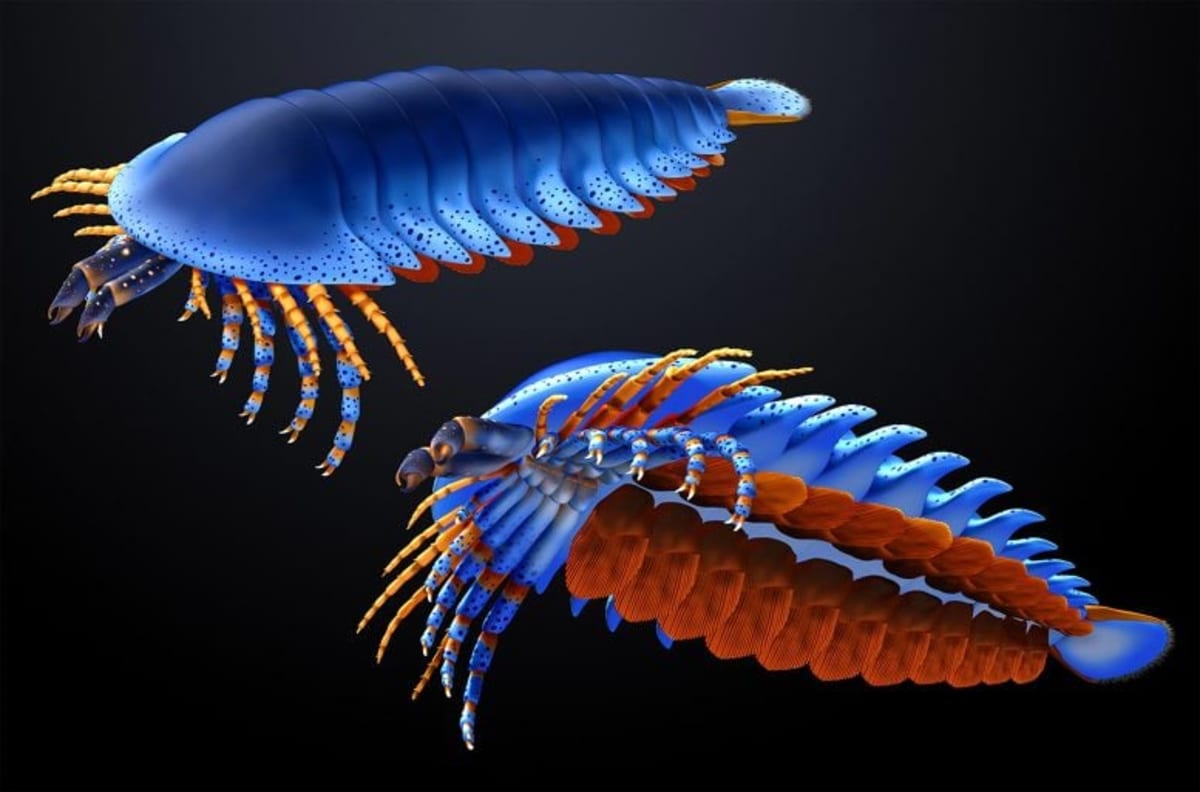
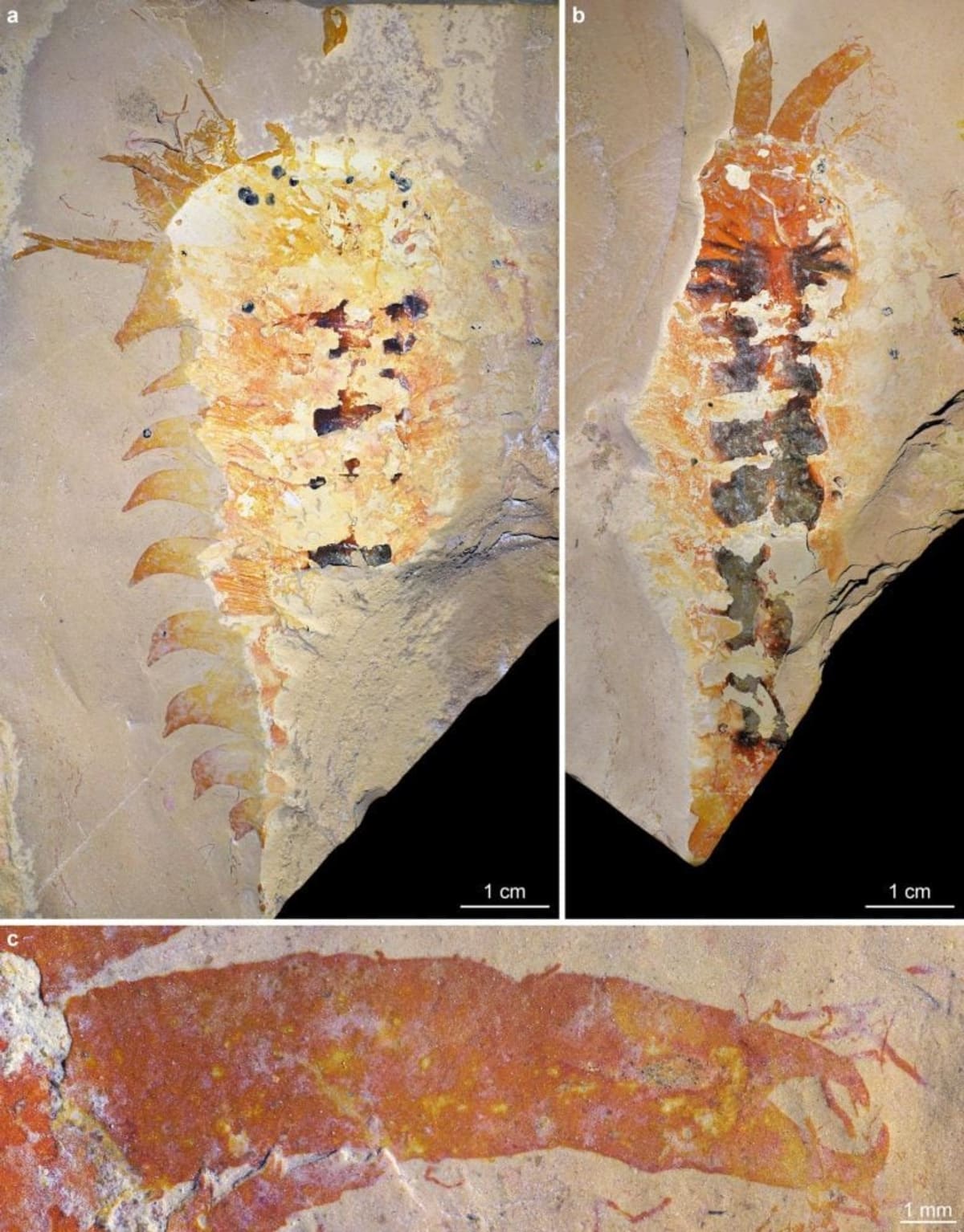
The ancient sea creature, named Megachelicerax cousteaui, lived in what is now Utah's West Desert. At just over three inches long, it packed features that scientists thought evolved much later in history.
Lerosey-Aubril spent more than 50 hours under a microscope carefully exposing the fossil's secrets with a fine needle. What emerged was remarkable: a creature with pincer-like claws called chelicerae, the defining feature that separates spiders and their relatives from insects.
Before this discovery, the oldest known members of this animal group dated to about 480 million years ago. Finding Megachelicerax 20 million years earlier fills a major gap in understanding how these creatures evolved.
The fossil shows that the body plan of modern spiders and horseshoe crabs was already taking shape during the Cambrian Explosion, a time of rapid evolutionary change. It had specialized body regions, feeding limbs, and breathing structures similar to those in horseshoe crabs today.
Why This Inspires
This discovery reminds us that the world still holds surprises waiting to be uncovered. The fossil sat in a Kansas museum collection for decades, labeled as unremarkable, until someone looked closer.
Today, the group that Megachelicerax belongs to includes more than 120,000 species living in environments from ocean depths to deserts. They've been quietly evolving and adapting for half a billion years, long before dinosaurs walked the Earth.
The researchers named their find after Jacques Cousteau, the French explorer who inspired generations to appreciate ocean life. Both scientists felt it fitting to honor someone who changed how we see the underwater world by naming an ancient marine creature after him.
The discovery also reveals that evolutionary success isn't just about having advanced features. Despite its complexity, Megachelicerax and its relatives remained rare for millions of years, overshadowed by other groups like trilobites, before eventually diversifying and conquering land.
Sometimes the biggest breakthroughs come from taking a closer look at what's been hiding in plain sight all along.
More Images
Based on reporting by Google: fossil discovery
This story was written by BrightWire based on verified news reports.
Spread the positivity!
Share this good news with someone who needs it