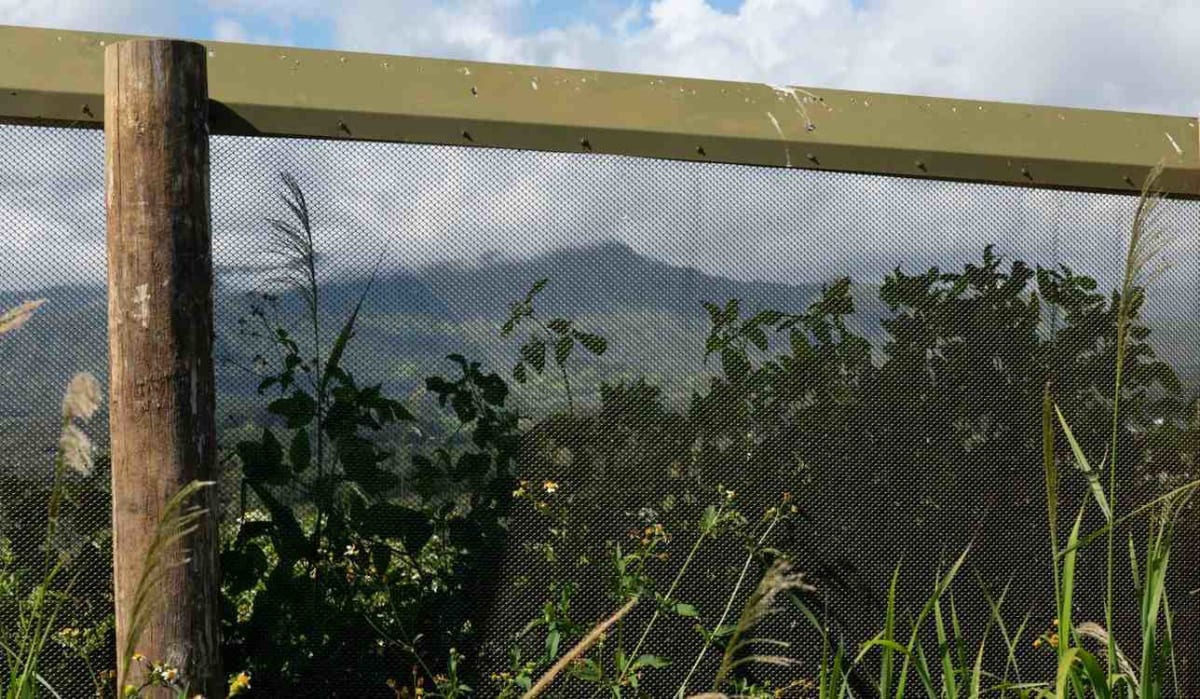
500 Turtles Thrive After Outback Lake Nearly Dried Up
Just months after an Australian outback lake almost dried up for the first time in 130 years, researchers discovered over 500 freshwater turtles thriving in its waters. A last-minute fundraiser and record rainfall saved the Imperial Lakes ecosystem outside Broken Hill.
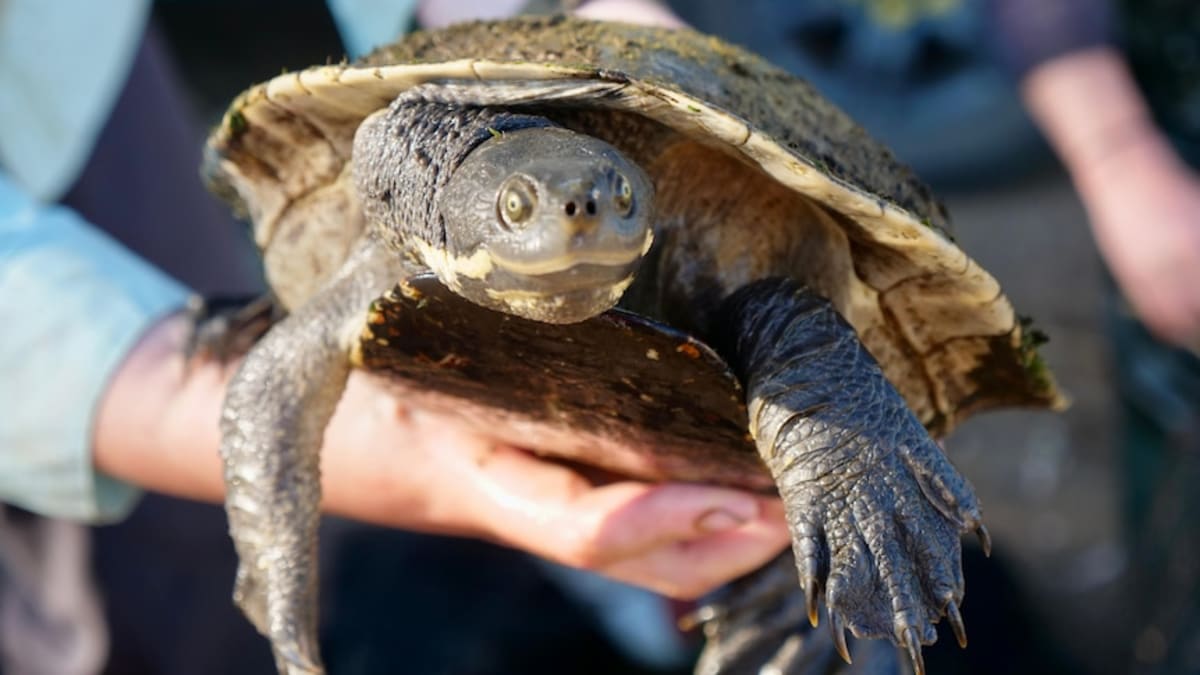
When a PhD student traveled to one of Australia's driest regions to study turtles, he expected to find maybe 100 at most. Instead, Wesley Smith and his team discovered over 500 freshwater turtles thriving at Imperial Lakes Nature Park near Broken Hill, New South Wales.
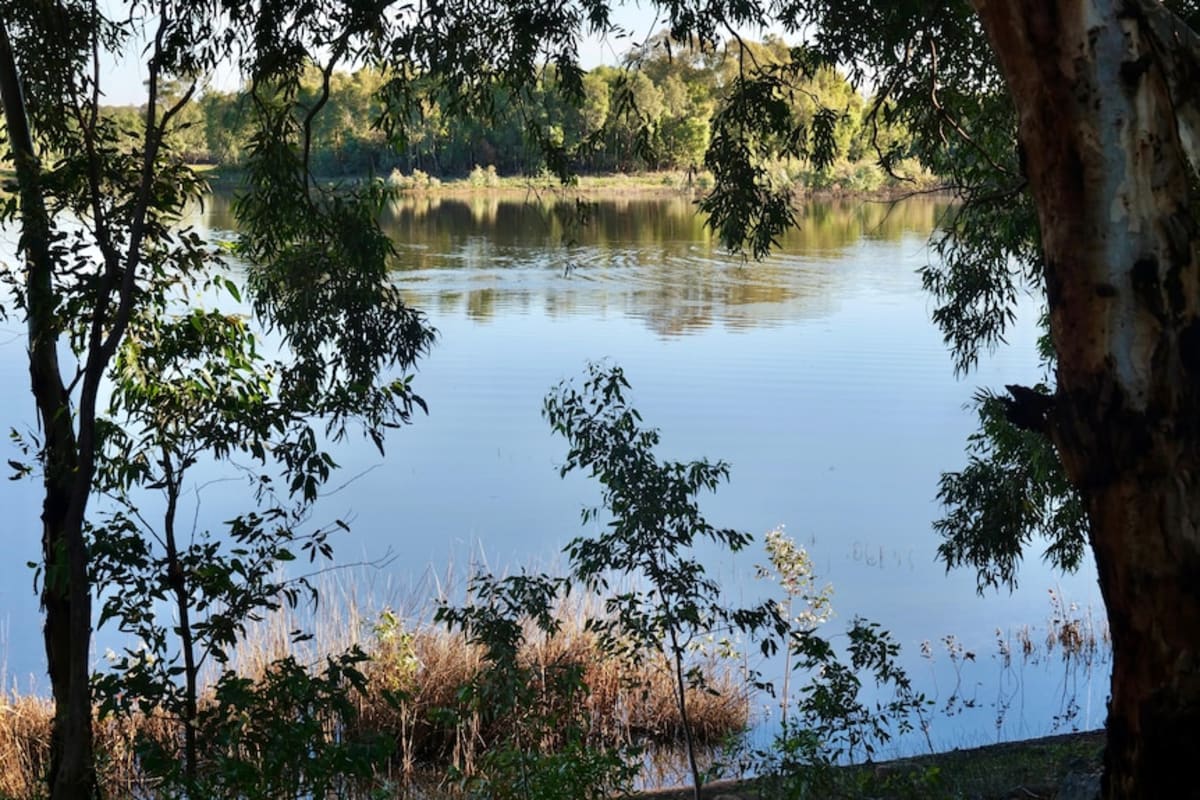
The find is even more remarkable because this same lake nearly dried up completely just three months earlier. In January 2026, the perpetual eastern lake was on the verge of disappearing for the first time in its 130-year history after surviving both the federation and millennium droughts.
Landcare Broken Hill launched an urgent crowdfunding campaign to purchase water and keep the wildlife alive. The national effort raised over $100,000, buying seven crucial weeks of time.
Then nature stepped in. Record-breaking rains of more than 200 millimeters drenched far west New South Wales at the end of February, filling the lakes just in time.
"The turtles must have been stacked up as though they were in an elevator, there was so little water there," said Simon Molesworth, president of Landcare Broken Hill. Now with both lakes full, the leftover funds will help protect against the next drought.
The La Trobe University research team recorded three species during their week of setting traps: eastern long-necked turtles, Murray River turtles, and broad-shelled turtles. Master's student Emma Kynaston admitted she was skeptical they'd find many turtles at all in such an arid location.
"I was expecting 100 or so," she said. "We got five times that."
The Bright Side
The discovery reveals how artificial habitats can support wildlife in unexpected places. The Imperial Lakes, created over a century ago, prove that even human-made water sources can become vital ecosystems in Australia's dry interior.
Smith finds the abundance of Murray River turtles particularly fascinating because they don't move across land easily. They either needed help from a massive flood to reach these isolated lakes, or they've been living in far west New South Wales for thousands of years.
The team will continue gathering data to understand how turtle populations are booming in such arid conditions. Their research includes studying how dams affect turtle movement and whether irrigation channels and wastewater treatment plants can serve as important habitats.
For Molesworth and the Broken Hill community who fought to save their lakes, the turtle discovery confirms what they already knew: this special place is worth protecting.
More Images


Based on reporting by ABC Australia
This story was written by BrightWire based on verified news reports.
Spread the positivity!
Share this good news with someone who needs it