500 Years of Love Letters on Display in London
Britain's National Archives unveils a heartwarming collection of love letters spanning five centuries, from Queen Elizabeth I's romance to ordinary couples refusing to be separated. The exhibition proves love's power transcends time and status.
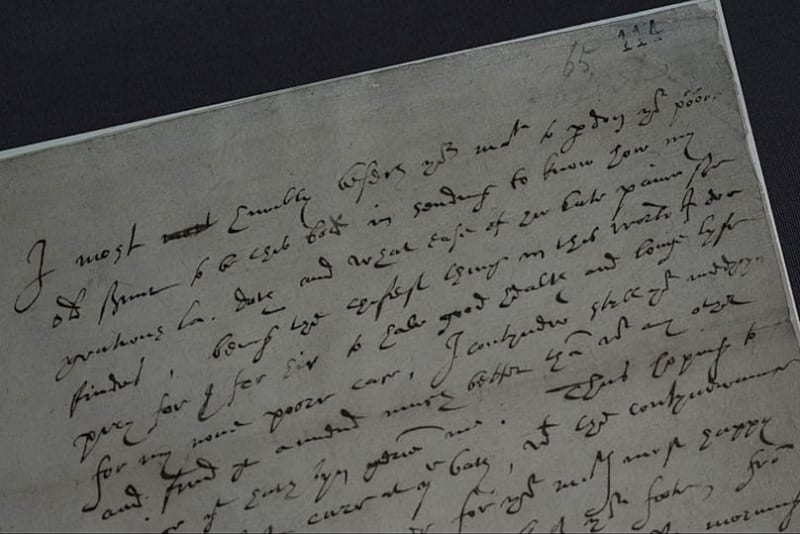
When Queen Elizabeth I died in 1603, her attendants found a letter tucked beside her bed that she'd kept for 15 years. It was the final message from Robert Dudley, her lifelong suitor, who signed it "your poor old servant" just days before his death.
That tender relic now anchors a new exhibition at Britain's National Archives in London. "Love Letters" showcases 500 years of human emotion through documents that capture romance, heartbreak, sacrifice, and devotion across all walks of life.
The collection reaches far beyond royal romance. In 1851, an unemployed 71-year-old weaver named Daniel Rush wrote a desperate petition begging authorities not to separate him from his wife by sending them to different workhouses. His plea sits alongside King Edward VIII's 1936 abdication papers, through which he gave up the throne to marry "the woman I love."
"There is a lot of connection in these two items even though on the surface they seem very different," says curator Victoria Iglikowski-Broad. "In common they have just this human feeling of love, that the sacrifice is actually worth it."
The documents take surprising forms. Early 20th-century classified ads reveal same-sex couples seeking romance when such love had to hide. Soldiers received letters from sweethearts during wartime. A medieval song captures the pain of heartbreak in words still resonant today.
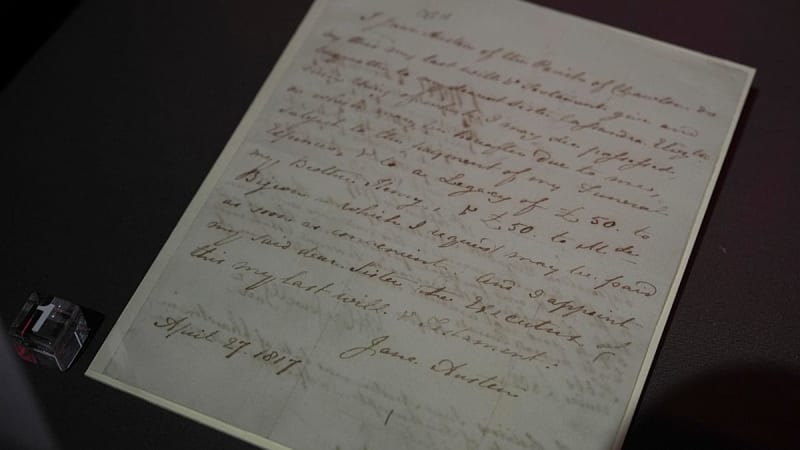
Jane Austen's handwritten 1817 will leaves almost everything to her beloved sister Cassandra, showing love extends beyond romance. A 1944 letter from British intelligence officer John Cairncross to his former girlfriend wonders "would we have broken off if we had known what was coming?" Years later, he was revealed as a Soviet spy.
Why This Inspires
These letters prove that love's fundamental nature hasn't changed across centuries. Whether written by queens or weavers, spies or soldiers, the words express the same longing, joy, and devotion that people feel today.
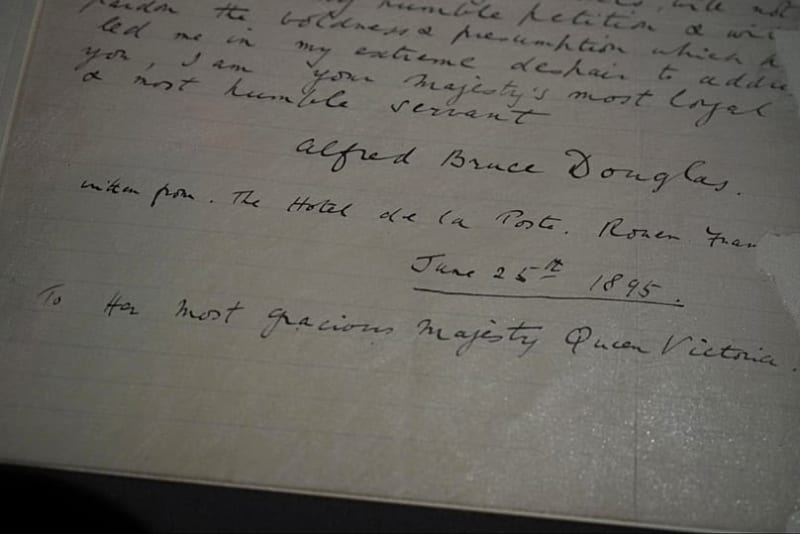
The exhibition doesn't shy from tragedy either. Catherine Howard, fifth wife of King Henry VIII, wrote to her secret lover Thomas Culpeper promising "yours as long as life endures." Both were executed for treason when the affair was discovered. Lord Alfred Douglas pleaded in vain for Queen Victoria to pardon his lover Oscar Wilde, imprisoned for their relationship.
"We're trying to open up the potential of what a love letter can be," Iglikowski-Broad explains. "Expressions of love can be found in all sorts of places, and surprising places."
The exhibition reminds us that love has always been worth fighting for, worth sacrificing for, and worth remembering.
More Images
Based on reporting by Euronews
This story was written by BrightWire based on verified news reports.
Spread the positivity!
Share this good news with someone who needs it