50,000 Volunteers Battle Dengue in Bangladesh
In Bangladesh, where disease-carrying mosquitoes thrive in waste-filled waterways, 50,000 young volunteers are cleaning their way to a healthier future. Their weekly cleanups are saving lives in a country facing record dengue outbreaks.
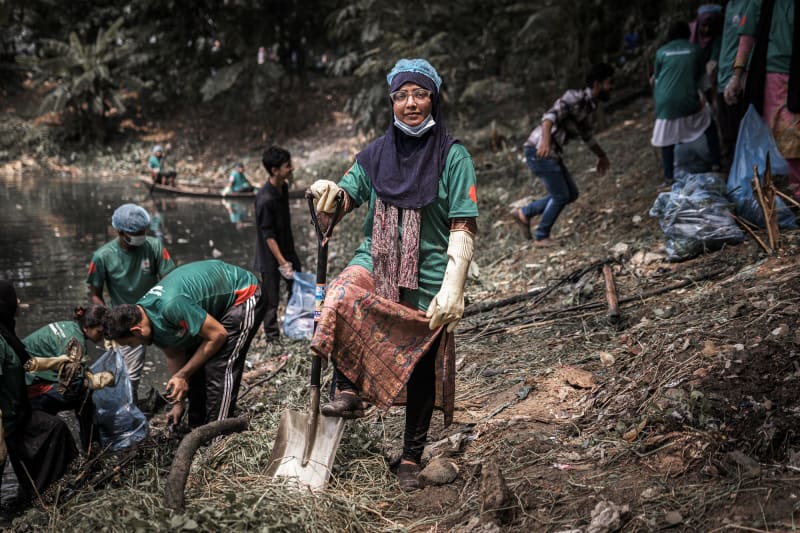
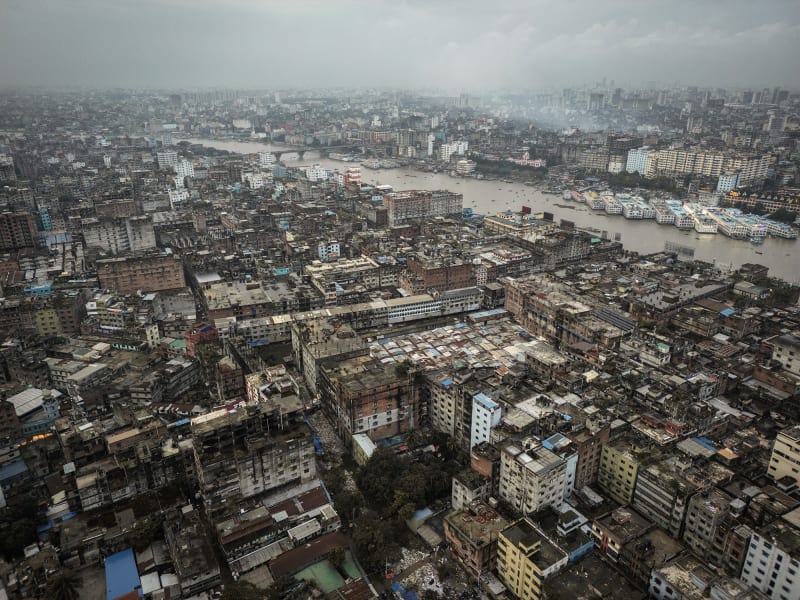
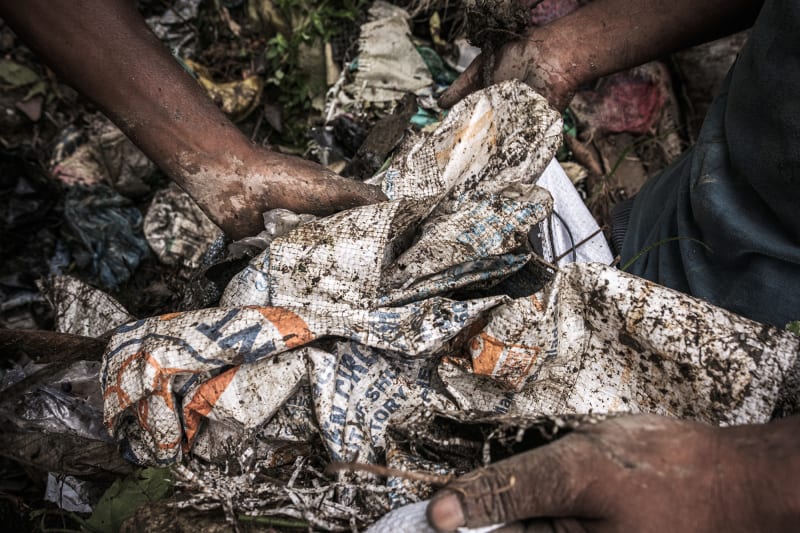
Every Friday morning in Dhaka, Bangladesh, thousands of young people wade into polluted lakes and canals with a simple mission: remove the trash that's killing their neighbors.
They're not just beautifying their neighborhoods. They're fighting a deadly epidemic at its source.
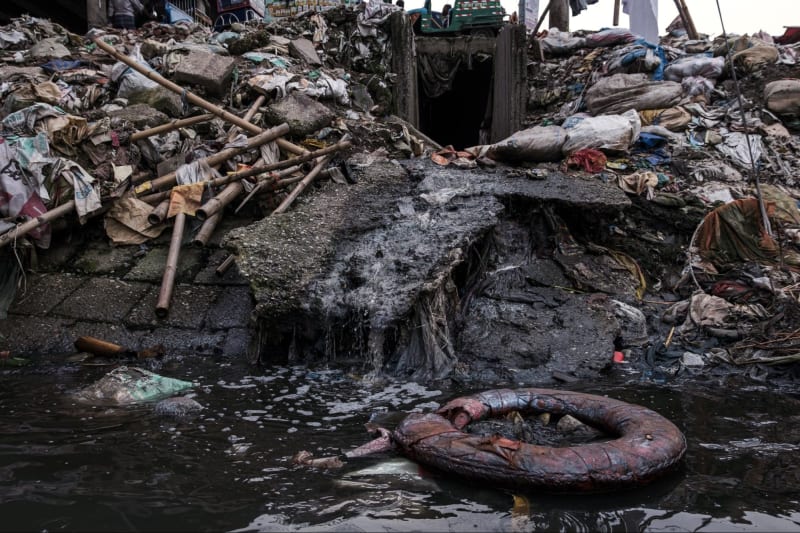
Bangladesh Clean started in 2016 with a handful of volunteers who understood a critical connection. Discarded plastic containers, food packaging, and trash collecting in waterways create perfect breeding grounds for dengue-carrying mosquitoes. Even a bottle cap filled with rainwater can spawn dozens of disease vectors.
The timing couldn't be more urgent. In 2023, Bangladesh recorded its worst dengue outbreak ever with over 321,000 cases and 1,705 deaths. Climate change is making things worse, with temperatures rising nearly 3.6 degrees and rainfall patterns shifting to create longer, warmer monsoon seasons.
"All of us young volunteers are working hard to clean and represent our country to the world," said Umme Kulsum Siddiki Brishti, a university student, taking a break during a cleanup in Dhaka's Uttara neighborhood. "We are trying to change people's mindset."
The group now mobilizes over 50,000 volunteers, mostly teenagers and young adults recruited through social media. Since founding, they've organized about 15,000 cleanup events across the country, targeting the lakes, canals, and streets where mosquitoes breed in accumulated waste.
Rahat Sarker Hridoy joined after seeing the group on Facebook in 2021. "It's important for my country, I never get tired of doing these events," he said, standing soaked in contaminated water. "I dream one day my country will be neat and clean."
The challenge is massive. Dhaka, home to 36 million people and expected to become the world's largest urban center by 2050, can't collect more than half its daily trash. Municipal services haven't kept pace with the city's explosive growth.
The Ripple Effect
Scientists are taking notice of the volunteer movement's potential. Karibul Bashar, an entomologist at Jahangirnagar University and WHO advisor, is developing an AI early warning system to predict outbreaks by tracking mosquito populations. But he knows technology alone won't solve the problem.
"Without action by the people, without action by society, this is not possible to manage," Bashar said. His system can identify where dengue will spread next, but only community action like Bangladesh Clean can prevent breeding sites from forming in the first place.
The volunteers' work is already influencing how Bangladeshis think about waste. "Nowadays people are getting more aware, and I believe the situation will improve because humans can change," Brishti said.
In a country where pollution causes 272,000 premature deaths annually, these young people are proving that ordinary citizens armed with nets and determination can tackle extraordinary health crises.
More Images
Based on reporting by Grist
This story was written by BrightWire based on verified news reports.
Spread the positivity!
Share this good news with someone who needs it