5,300-Year-Old Mummy Still Hosts Living Microbes
Scientists studying Ötzi the Iceman discovered ancient microorganisms that may have survived over 5,000 years inside the frozen mummy. The breakthrough offers an incredible window into humanity's microbial past and shows how life persists in the most unexpected places.
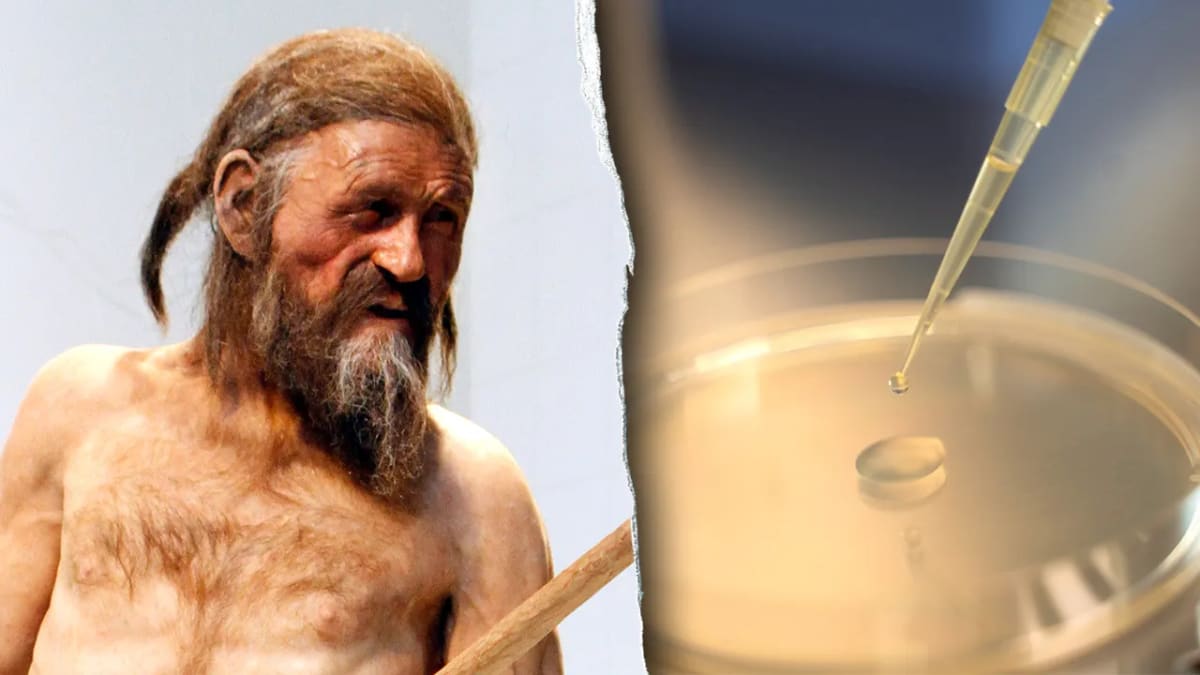
A frozen mummy discovered in the Alps three decades ago is still teeming with microscopic life that could be more than 5,000 years old.
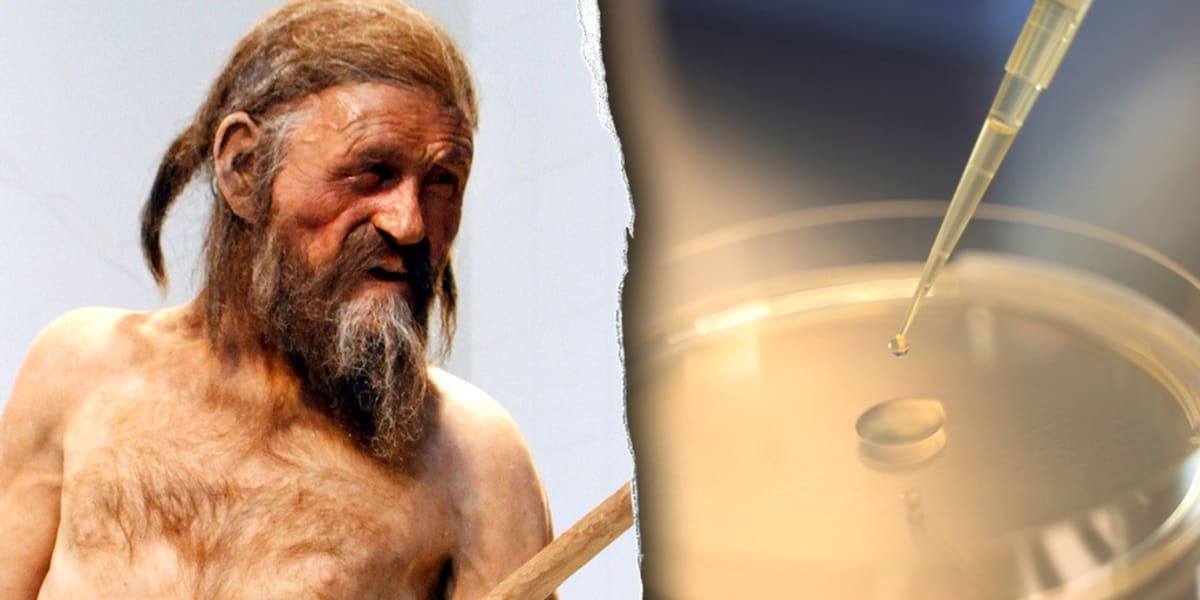
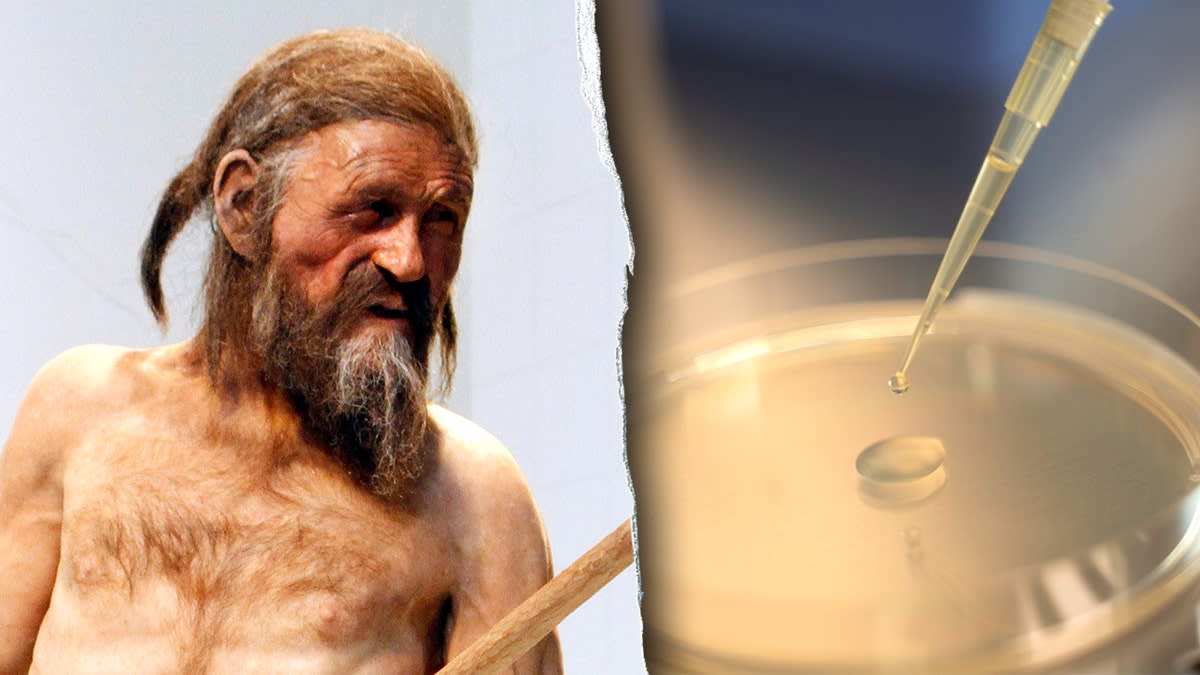
Researchers at Eurac Research found traces of ancient bacteria and cold-adapted yeasts living inside Ötzi the Iceman, a mummy that dates back to 3300 B.C. The findings, published in the journal Microbiome, reveal a complex community of microorganisms that have accompanied the mummy through millennia.
A tourist found Ötzi inside a glacier in 1991. His body predates both Stonehenge and the Egyptian pyramids, making him one of the oldest and best-preserved human remains ever discovered.
Scientists at the South Tyrol Museum of Archaeology in Bolzano, Italy, analyzed ice from the mummy's surface, meltwater, and intestinal tissues. They found something remarkable: some microbes from Ötzi's lifetime are still present, alongside newer organisms that colonized his body after death.
The ancient gut bacteria don't match what we typically find in modern humans. This rare glimpse into our microbial past could help scientists understand how human biology has evolved over thousands of years.
Even more surprising were the cold-adapted yeast species, likely from the glacial environment itself. These hardy organisms have survived by clinging to Ötzi's frozen body, thriving in conditions that would kill most life forms.
Why This Inspires
Frank Maixner, director of the Institute for Mummy Studies, called Ötzi "not a static relic, but a dynamic biological system." That perspective transforms how we think about preservation and life itself.
The idea that microscopic organisms could survive for over five millennia challenges what we thought possible. Some of these microbes may exist in a dormant state, waiting patiently as the world changes around them.
Elisabeth Vallazza, director of the museum, confirmed the mummy's condition remains very stable. Close monitoring ensures Ötzi suffers no damage while scientists continue their groundbreaking research.
The discovery also highlights the importance of preservation efforts. These ancient microbes only survived because Ötzi remained frozen, creating a time capsule of biological information we're only beginning to understand.
Ötzi himself lived to be between 25 and 35 years old, standing roughly 5 feet 2 inches tall. Researchers believe he died from bleeding after an arrow struck his left shoulder while crossing the Alps.
More than 5,000 years later, this ancient human continues teaching us about life, death, and the remarkable persistence of the smallest organisms on Earth.
More Images

Based on reporting by Fox News Travel
This story was written by BrightWire based on verified news reports.
Spread the positivity!
Share this good news with someone who needs it