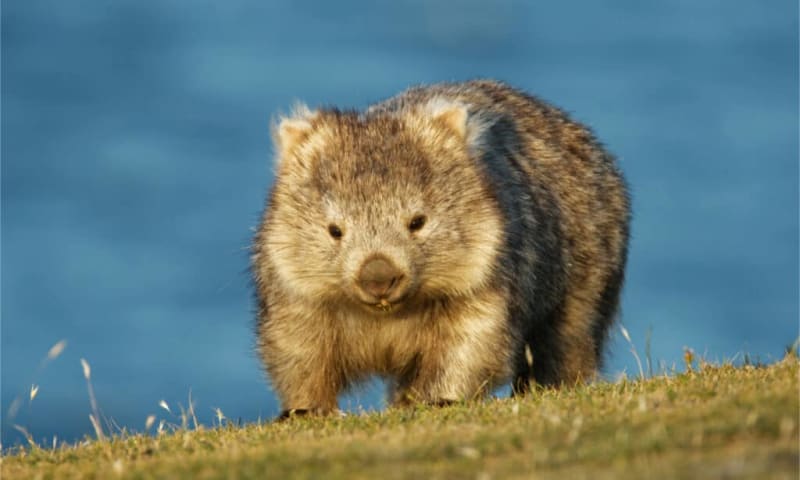
56 Species Survived Australia's Fires Thanks to Wombats
When Australia's Black Summer fires turned forests to ash, camera footage revealed wombat burrows became underground sanctuaries for 56 species seeking shelter, water, and safety. The humble marsupials didn't lead rescue missions, but their engineering saved lives anyway.
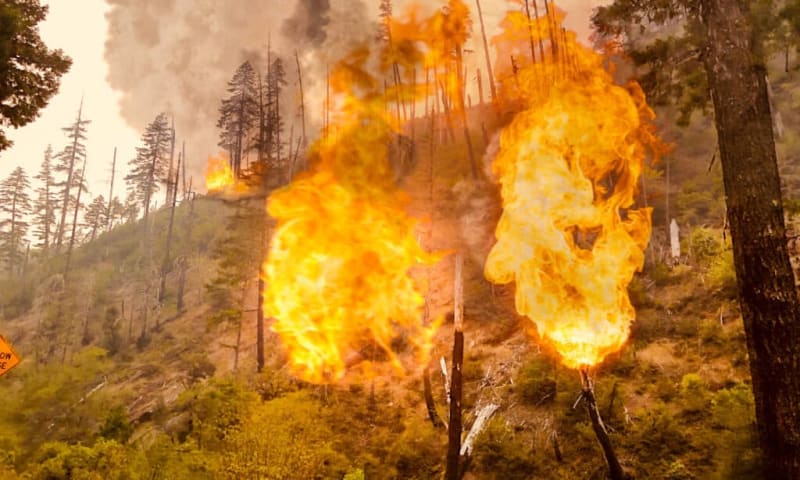
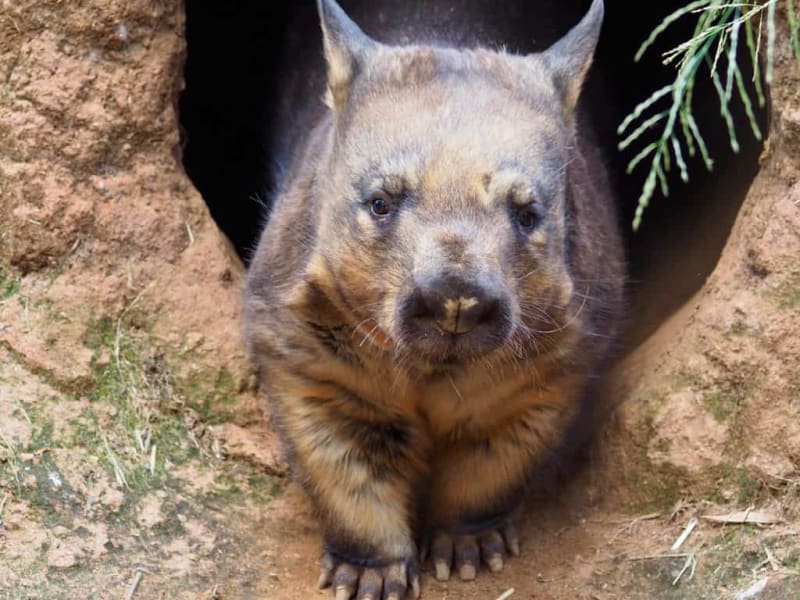
During Australia's devastating 2019-2020 Black Summer bushfires, an unlikely hero emerged from underground: the common wombat.
Viral stories claimed wombats heroically herded animals into their burrows as flames approached. While researchers found no evidence of active rescues, the truth turned out to be just as remarkable.
A study published in the Journal of Mammalogy revealed what actually happened. Researchers set up cameras at 28 wombat burrow sites across southeastern Australian forests, monitoring them for nearly a year after the fires. What they captured was extraordinary.
Over 15,000 individual animals from 56 different species used wombat burrows during the brutal recovery period. The footage showed creatures of all sizes entering, exiting, inspecting entrances, and even drinking from pooled water inside the underground networks.
Wombat burrows aren't simple holes in the ground. They're complex engineering marvels with multiple entrances and chambers, measuring about 19 centimeters high and 23 centimeters wide. These dimensions create perfect sanctuaries for smaller animals while keeping larger predators out.
The burrows provided three critical survival advantages. Underground chambers offered stable temperatures and protection from the scorched landscape above. In the exposed, coverless post-fire environment, they became essential hiding spots from predators. Some even collected water, creating vital drinking stations when surface water disappeared.
The study compared burrow sites with similar nearby areas lacking burrows. The difference was striking: burrow locations consistently drew far more wildlife activity than control sites, proving these underground refuges were genuine hotspots for survival.
Researchers monitored the sites from June 2021 to April 2022, accumulating 16,645 trap-days of data. The timing matters because it shows how animals depended on these burrows long after the flames died down, during the grueling months when the landscape remained exposed and resources scarce.
The Ripple Effect
The wombat burrow discovery changed how scientists think about wildfire recovery. One species' architecture can create cascading benefits across entire ecosystems, offering hope as Australia faces increasingly severe fire seasons.
Wildlife managers now recognize existing burrow networks as critical infrastructure worth protecting. Conservation strategies increasingly focus on keystone engineers like wombats, whose everyday activities create life-saving resources for dozens of other species.
The research proved that nature's solutions often work better than human interventions, and that sometimes the best thing we can do is protect the architects already on the job.
Those burrows that saved 56 species weren't built for altruism, but they worked like underground Airbnbs when neighbors needed them most.
More Images

Based on reporting by Google News - Species Saved
This story was written by BrightWire based on verified news reports.
Spread the positivity!
Share this good news with someone who needs it