6 Ghanaians Lead West Africa's Fight for Cleaner Air
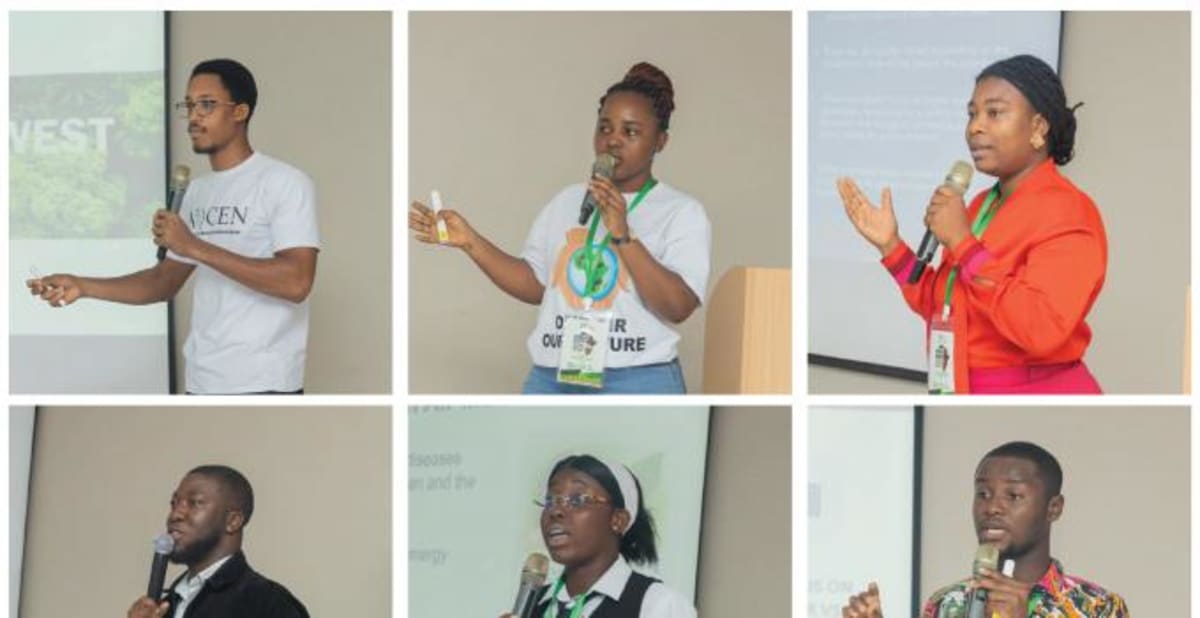
After losing her friend to an asthma attack caused by burning trash, Shaddai Empress Molson Gattor became one of six young Ghanaians working to save lives by making invisible air pollution visible. Together, they're training communities, teaching children, and building the data platforms that could protect millions across West Africa.
Franklina was just 20 when she died from an asthma attack in 2018, triggered by someone burning rubbish outside her window. Her friend Shaddai Empress Molson Gattor decided that loss would not be meaningless.
Today, Shaddai is one of six Air Quality Ambassadors at Ghana's Kwame Nkrumah University of Science and Technology, working to tackle a crisis that kills an estimated 32,000 Ghanaians every year. Air pollution costs Ghana billions in healthcare and lost productivity, yet most people don't realize they're breathing danger every day.
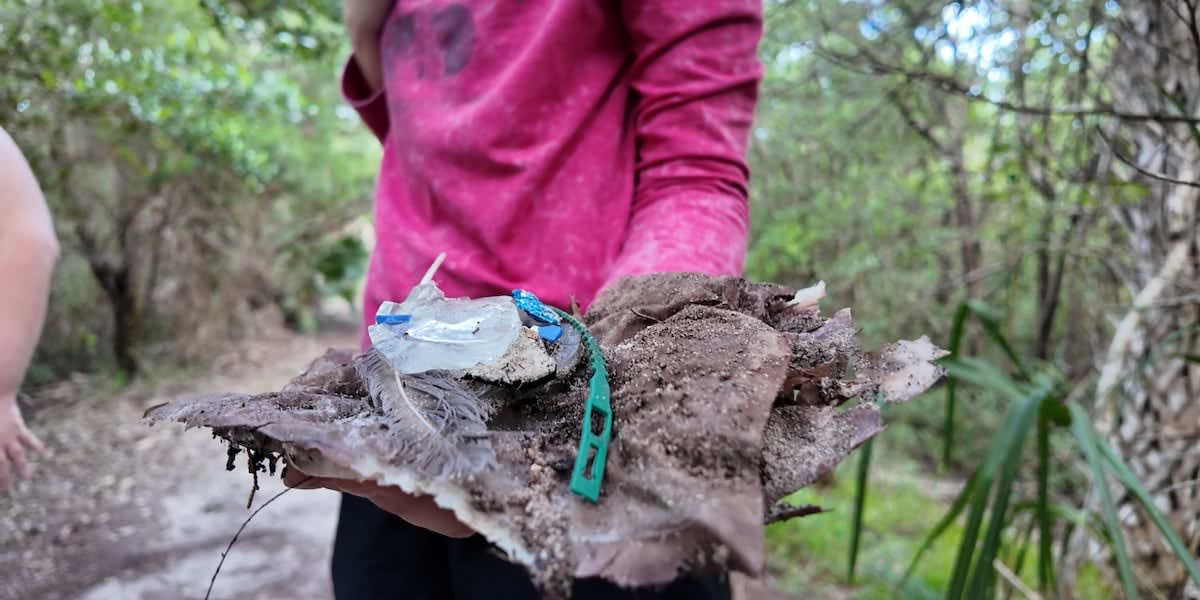
The smoke from burning trash, exhaust from packed traffic, dust from unpaved roads, and fumes from fish smokers all mix silently in the air. Unlike floods or fires, polluted air doesn't announce itself until the damage is already done.
Shaddai now trains "air guardians" in churches, schools, and communities who spread the word about clean air. She's writing a children's storybook too, believing that educating kids is the fastest way to change homes. "If we can really shape the minds of children now, then it means that we are building healthier homes," she says.
Her fellow ambassador Godwin Ebo Fosu brings the message to primary schools through his Catch Them Young initiative. He gives children air tracker cards and asks them to observe pollution sources for a week, and their reflections come back surprisingly emotional and thoughtful.
He's also challenging his region's claim to being Ghana's "Oxygen City" by submitting real air quality data to local officials. "If you are saying it's clean air, there needs to be data that should back it," Godwin explains.
That data infrastructure is being built by Mercy Mawunyo Apaw, who's creating the Ghana Air Quality Data Hub. The platform will centralize scattered air quality information from different institutions, making it accessible to everyone by the end of 2026.
Her research revealed something unexpected: those strong winds that come before rainfall actually carry invisible dust and pollution across cities, exposing people rushing to find shelter. "They are not mindful of the air they breathe, because as at the time, the wind is strong," she notes.
The team also includes Terry Kwame Azaglo, Amina Amponsah, and BillChris Tetteh Ashiangmor, each bringing unique expertise to the fight. Together, they're working to make air quality monitoring and protection standard across Ghana and West Africa.
The Ripple Effect
What started with six students is now spreading across communities. The air guardians Shaddai trains go on to teach others, creating a growing network of informed citizens who can protect themselves and their families.
By putting tracking tools in children's hands and scientific data in officials' offices, these ambassadors are building something that didn't exist before: public awareness paired with actionable information. Schools are learning, regional councils are responding, and a centralized data hub will soon give researchers and policymakers the evidence they need.
Most importantly, people are beginning to connect the dots between the smoke they smell, the cough they ignore, and the serious health risks they face.
Six young people are proving that making invisible problems visible is the first step toward solving them.
Based on reporting by Myjoyonline Ghana
This story was written by BrightWire based on verified news reports.
Spread the positivity!
Share this good news with someone who needs it